Easter Greeting from Lewis Carroll

 In 1876 Lewis Carroll, the author of “Alice’s Adventures in Wonderland”, wrote this letter entitled “An Easter Greeting to Every Child Who Loves Alice.”
Dear Child,

Please to fancy, if you can, that you are reading a real letter, from a real friend whom you have seen, and whose voice you can seem to yourself to hear wishing you, as I do now with all my heart, a happy Easter.

Do you know that delicious dreamy feeling when one first wakes on a summer morning, with the twitter of birds in the air, and the fresh breeze coming in at the open window—when, lying lazily with eyes half shut, one sees as in a dream green boughs waving, or waters rippling in a golden light? It is a pleasure very near to sadness, bringing tears to one’s eyes like a beautiful picture or poem. And is not that a Mother’s gentle hand that undraws your curtains, and a Mother’s sweet voice that summons you to rise? To rise and forget, in the bright sunlight, the ugly dreams that frightened you so when all was dark—to rise and enjoy another happy day, first kneeling to thank that unseen Friend, who sends you the beautiful sun?

Are these strange words from a writer of such tales as “Alice”? And is this a strange letter to find in a book of nonsense? It may be so. Some perhaps may blame me for thus mixing together things grave and gay; others may smile and think it odd that any one should speak of solemn things at all, except in church and on a Sunday: but I think—nay, I am sure—that some children will read this gently and lovingly, and in the spirit in which I have written it.

For I do not believe God means us thus to divide life into two halves—to wear a grave face on Sunday, and to think it out-of-place to even so much as mention Him on a week-day. Do you think He cares to see only kneeling figures, and to hear only tones of prayer—and that He does not also love to see the lambs leaping in the sunlight, and to hear the merry voices of the children, as they roll among the hay? Surely their innocent laughter is as sweet in His ears as the grandest anthem that ever rolled up from the “dim religious light” of some solemn cathedral?

And if I have written anything to add to those stores of innocent and healthy amusement that are laid up in books for the children I love so well, it is surely something I may hope to look back upon without shame and sorrow (as how much of life must then be recalled!) when my turn comes to walk through the valley of shadows.

This Easter sun will rise on you, dear child, feeling your “life in every limb,” and eager to rush out into the fresh morning air—and many an Easter-day will come and go, before it finds you feeble and gray-headed, creeping wearily out to bask once more in the sunlight—but it is good, even now, to think sometimes of that great morning when the “Sun of Righteousness shall arise with healing in his wings.”

Surely your gladness need not be the less for the thought that you will one day see a brighter dawn than this—when lovelier sights will meet your eyes than any waving trees or rippling waters—when angel-hands shall undraw your curtains, and sweeter tones than ever loving Mother breathed shall wake you to a new and glorious day—and when all the sadness, and the sin, that darkened life on this little earth, shall be forgotten like the dreams of a night that is past!

Your affectionate friend,

LEWIS CARROLL.

Easter, 1876.

Jabberwocky by Lewis Carroll

“Jabberwocky” is a poem of nonsense verse written by Lewis Carroll, and found as a part of his novel Through the Looking-Glass, and What Alice Found There (1871). It is generally considered to be one of the greatest nonsense poems written in the English language. This poem is used in many schools to teach students about the use of portmanteaux.

JABBERWOCKY POEMÂ

‘Twas brillig, and the slithy toves
Did gyre and gimble in the wabe:
All mimsy were the borogoves,
And the mome raths outgrabe.

“Beware the Jabberwock, my son!
The jaws that bite, the claws that catch!
Beware the Jubjub bird, and shun
The frumious Bandersnatch!”

He took his vorpal sword in hand:
Long time the manxome foe he sought—
So rested he by the Tumtum tree,
And stood awhile in thought.

And, as in uffish thought he stood,
The Jabberwock, with eyes of flame,
Came whiffling through the tulgey wood,
And burbled as it came!

One, two! One, two! And through and through
The vorpal blade went snicker-snack!
He left it dead, and with its head
He went galumphing back.

“And hast thou slain the Jabberwock?
Come to my arms, my beamish boy!
O frabjous day! Callooh! Callay!”
He chortled in his joy.

‘Twas brillig, and the slithy toves
Did gyre and gimble in the wabe:
All mimsy were the borogoves,
And the mome raths outgrabe.

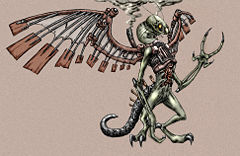
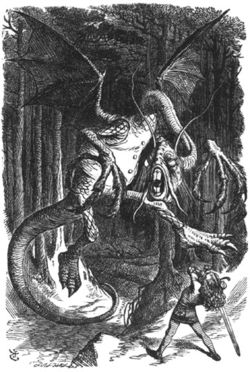
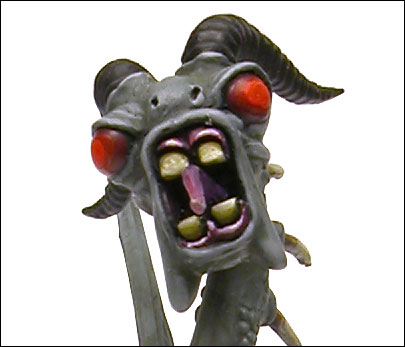
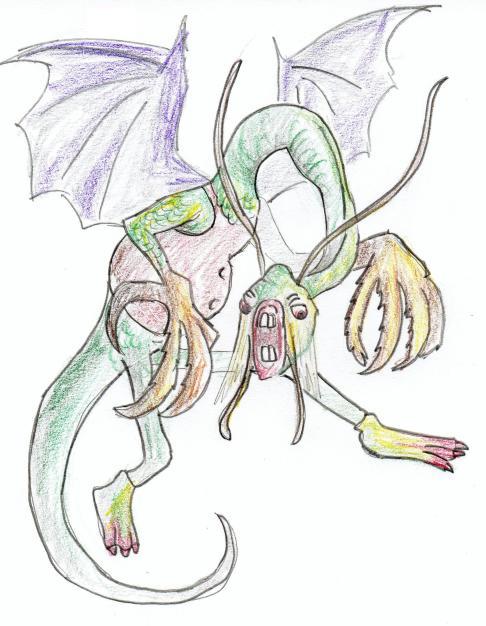
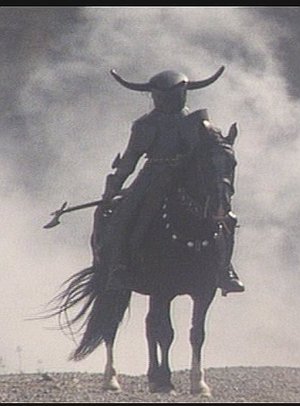
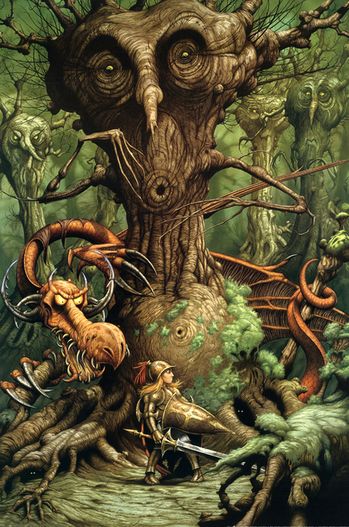
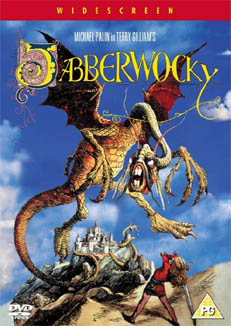
JABBERWOCKY PHOTOS AND IMAGES

jabberwock_mcgee.jpg

jabberwocky-original.jpg

jabberockyhead_painted.jpg

jabberwocky2.jpg

jabberwocky3.jpg

jabberwocky4.jpeg

jabberwocky_2003.jpg

largejabberwockydragon.jpg

Brigadoon Music Orchestration

This is the full orchestration list for Brigadoon performance with orchestra. There is also a stage band orchestration available (but not as cool as using the orchestra).

Our upcoming presentation of Brigadoon uses the full classic orchestration (because we’re just cool like that).

 BRIGADOON ORCHESTRATION

2Â Â Â Â Violin I
1 Â Â Â Violin II
1 Â Â Â Viola
1 Â Â Â Cello
1 Â Â Â Bass

1 Â Â Â Flute – Piccolo
1 Â Â Â Oboe
1 Â Â Â Clarinet I
1 Â Â Â Clarinet II
1 Â Â Â Bassoon

1 Â Â Â Horn
1 Â Â Â Trumpets I & II
1 Â Â Â Trumpet III
1 Â Â Â Trombone

1 Â Â Â Percussion:

* Timpani (2 Drums)
* Snare Drum (Brushes & Sticks)
* Bass Drum
* Field Drum
* Tom Tom
* Cymbals
* Glockenspiel
* Chimes
* Temple Blocks

1 Â Â Â Piano & Celeste (Piano-Conductor’s Score sent with rehearsal material)

Bye Bye Birdie – Music Orchestration

Full orchestration requirements for the musical Bye Bye Birdie. Note the optional synthesizer part to cover strings, and optional additional songs written in 1995.

BYE BYE BIRDIE ORCHESTRATION

3 Violins
2 Cellos
1 Bass

1 Reed I: Alto Saxophone, Clarinet, Flute & Piccolo
1 Reed II: Alto Saxophone & Clarinet
1 Reed III: Tenor Saxophone, Clarinet
1 Reed IV: Clarinet, Bass Clarinet & Baritone Saxophone

1 Horn
1 Trumpets I & II
1 Trumpet III
1 Trombone I
1 Trombone II

1 Piano

2 Percussion I & II: (trap drum set & mallet instruments)

* Percussion I:
* Bells (Glockenspiel)
* Vibraphone
* Xylophone
* Chimes
* Timpani (2 drums)
* Tambourine
* Timbales
* Gran Cassa
* Snare Drum Case
* Suspended Cymbal
* Castanets
* Gourd
* Cowbell

* Percussion II:
* Trap drum set-
o Bass Drum
o Snare Drum & Rack Tom
o Floor Tom
o various Cymbals
+ hi-hat
+ crash
+ ride
+ finger
o Wood Blocks (2)
o Bongos
o Large Military Snare Drum
o Gong
o Gunshot
* Kazoo (or Ratchet)

Both players use Piatti, Triangle and Ratchet

1 Guitar-Banjo (Banjo for “Overture A”; Electric Bass for “Telephone Hour” and “One Hundred Ways – Ballet” only)

Piano-Conductor’s Score sent with rehearsal material.

A special Keyboard Synthesizer part is available, when the complete orchestration is used, at an additional charge. It may be substituted for the 3 violin and 2 cello parts.

Also available, at an additional charge: Full Orchestra Score (Partitur) in 4 volumes.

OPTIONAL ADDITIONAL MATERIAL

Stage Manager’s Guide
3 Optional Additional Songs, from the 1995 television presentation:
Spanish Rose (Revised)
Let’s Settle Down
A Mother Doesn’t Matter Anymore

Charlie and the Chocolate Factory Songs

Here are songs I wrote in 2007 to Roald Dahl’s lyrics  for Augustus Gloop, Veruca Salt, Mike Teavee and Violet Beauregarde. No lyrics were added to Roald Dahl’s original text, but words were deleted to create songs of reasonable length. For educational use only, to see how existing lyrics can be given different musical treatments.

SONGS IN MP3 – LISTEN

AUGUSTUS GLOOP


“Augustus Gloop! Augustus Gloop!
The great big greedy nincompoop!


How long could we allow this beast
To gorge and guzzle, feed and feast
On everything he wanted to?
Great Scott! It simply wouldn’t do!


Chorus


He’s so unutterably vile,
So greedy, foul, and infantile
‘Come on!’ we cried, ‘The time is ripe
To send him shooting up the pipe!


Chorus


But don’t, dear children, be alarmed;
Augustus Gloop will not be harmed,
Although, of course, we must admit
He will be altered quite a bit.
He’ll be quite changed from what he’s been,
When he goes through the fudge machine:
Slowly, the wheels go round and round,
The cogs begin to grind and pound;


Chorus


This greedy brute, this louse’s ear,
Is loved by people everywhere!
For who could hate or bear a grudge
Against a luscious bit of fudge?”


Chorus


Great big greedy, great big greedy
Nin-com……………………. POOP!

**********************

VIOLET BEAUREGARDE


Violet Beauregarde, Violet Beauregarde


“Dear friends, we surely all agree
There’s almost nothing worse to see
Than some repulsive little bum
Who’s always chewing chewing gum.
(It’s very near as bad as those
Who sit around and pick the nose).
So please believe us when we say
That chewing gum will never pay;


Violet Beauregarde, Violet Beauregarde


She chewed while bathing in the tub,
She chewed while dancing at her club,
She chewed in church and on the bus;
It really was quite ludicrous!
And when she couldn’t find her gum,
She’d chew up the linoleum,
For years and years she chewed away,
Consuming fifty packs a day,


Violet Beauregarde, Violet Beauregarde


Her brain now hurts from chewing gum
Miss Violet’s becoming dumb
Might spent her life shut up in some
Disgusting sanatorium.
And that is why we’ll try so hard
To save Miss Violet Beauregard
From suffering an chewing fate.
She’s still quite young. It’s not too late,


Provided she survives the cure.
We hope she does. We can’t be sure.


Violet Beauregarde, Violet Beauregarde
Violet Beauregarde, Violet Beau-Beau-Beau-Beauregarde


***********************************


VERUCA SALT


Down goes Veruca down the drain
(Down goes Veruca down the drain) 2x


“Veruca Salt, the little brute,
Has just gone down the garbage chute,
To see the thing completely through,
We’ve polished off her parents, too.


(To see the thing completely through, – We’ve polished off her parents, too.)


And here, perhaps, we should explain
That she will meet, as she descends,
A rather different set of friends
To those that she has left behind–


(A fish head, for example, cut – This morning from a halibut.)


A bacon rind, some rancid lard,
A loaf of bread gone stale and hard,
A steak that nobody could chew,
An oyster from an oyster stew,


(Some liverwurst so old and gray – One smelled it from a mile away,)


CHORUS Down goes Veruca down the drain
(Down goes Veruca down the drain) 2x


For though she’s spoiled, and dreadfully so,
A girl can’t spoil herself, you know.
Who spoiled her, then? Ah, who indeed?
Who pandered to her every need?


(Who spoiled her, then? Ah, who indeed? – Who pandered to her every need?)


BRIDGE (Who turned her into such a brat?
Who are the culprits? Who did that?)
Alas you needn’t look so far
(To find out who the sinners are)


They are (and this is very sad)
Her loving parents, MUM and DAD.
And that is why we’re glad they fell
Into the garbage chute as well.


(And that is why we’re glad they fell – Into the garbage chute as well.)


Down goes Veruca down the drain (Down goes Veruca down the drain)2x


*****************************************************

MIKE TEAVEE


V1 – “The most important thing we’ve learned,
So far as children are concerned,
Is never, NEVER, NEVER let
Them near your television set–
Or better still, just don’t install
The idiotic thing at all.


V2 – In almost every house we’ve been,
We’ve watched them gaping at the screen.
They loll and slop and lounge about,
And stare until their eyes pop out.


V3 – They sit and stare and stare and sit
Until they’re hypnotised by it,
Until they’re absolutely drunk
With all the shocking ghastly junk.


Bridge – IT ROTS THE SENSES IN THE HEAD!
IT KILLS IMAGINATION DEAD!
IT CLOGS AND CLUTTERS UP THE MIND!
IT MAKES A CHILD SO DULL AND BLIND
HE CAN NO LONGER UNDERSTAND
A FANTASY, A FAIRYLAND!
HIS BRAIN BECOMES AS SOFT AS CHEESE!
HIS POWERS OF THINKING RUST AND FREEZE!


V4 – So please, oh please, we beg, we pray,
Go throw your TV set away,
And in its place you can install
A lovely bookshelf on the wall.


V5 – Then fill the shelves with lots of books,
Ignoring all the dirty looks,
The screams and yells, the bites and kicks,
And children hitting you with sticks–


End – P.S. Regarding Mike Teavee,
We very much regret that we
Shall simply have to wait and see
If we can get him back his height.
But if we can’t–it serves him right.”


***********************************

Alice In Wonderland – Complete Book Text

Alice’s Adventures in Wonderland is a work of children’s literature by the English mathematician and author, the Reverend Charles Lutwidge Dodgson, written under the pseudonym Lewis Carroll. It tells the story of a girl named Alice who falls down a rabbit-hole into a fantasy realm populated by grotesque figures like talking playing cards and anthropomorphic creatures.

COMPLETE TEXT FROM ALICE IN WONDERLAND
Read each chapter online

  • Chapter One – Down the Rabbit Hole
  • Chapter Two – The Pool of Tears
  • Chapter Three – A Caucus Race and a Long Tale
  • Chapter Four – The Rabbit Sends in a Little Bill
  • Chapter Five – Advice from a Caterpillar
  • Chapter Six – Pig and Pepper
  • Chapter Seven – A Mad Tea Party
  • Chapter Eight – The Queen’s Croquet Ground
  • Chapter Nine – The Mock Turtle’s Story
  • Chapter Ten – The Lobster Quadrille
  • Chapter Eleven – Who Stole the Tarts?
  • Chapter Twelve -Alice’s Evidence
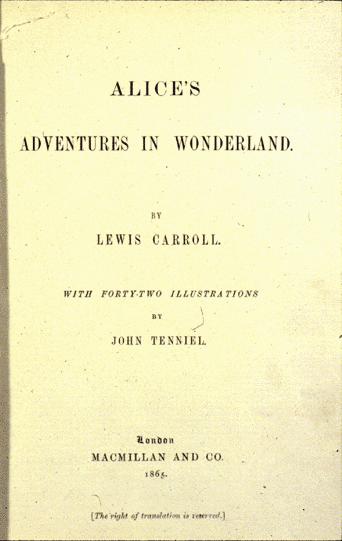
  • Original 1865 cover for Alice in Wonderland

    alicesadventuresinwonderland1865titlepage.jpg

    PLOT SUMMARY

    A girl named Alice is bored while on a picnic with her older sister, who is reading aloud. Alice takes interest in a passing white rabbit that is dressed in a waistcoat and muttering “Oh dear! Oh dear! I shall be too late!” She follows the rabbit down a rabbit hole, then finds herself falling down into a dreamlike world. As she continues to try to follow the rabbit, she has several adventures. She grows to gigantic size and then shrinks to a fraction of her original height, meets a group of small animals swimming in a sea of her own (previously shed) tears, and gets trapped in the rabbit’s house when she enlarges herself again. After meeting the Duchess, she carries away a baby which changes into a pig, then meets the Cheshire cat, which disappears, leaving only its smile behind. She joins the Mad Hatter and the March Hare at a never-ending tea party, goes to the seashore and meets a Gryphon and a Mock Turtle, and finally attends the trial of the Knave of Hearts, who has been accused of stealing tarts. Just as Alice defies the Queen of Hearts, the dream ends and Alice wakes up at the picnic with her sister.

    CHARACTERS IN ORDER OF APPEARANCE

  • Alice
  • Alice’s Sister
  • The White Rabbit
  • Alice’s Cat, Dinah
  • The Mouse
  • The Duck
  • The Dodo
  • The Lory
  • The Eaglet
  • An old Crab and her daughter
  • An old Magpie
  • A Canary
  • Pat (The White Rabbit’s servant)
  • Bill the Lizard
  • The Puppy
  • The Caterpillar
  • The Pigeon
  • The Fish-Footman
  • The Frog-Footman
  • The Duchess
  • The Baby
  • The Cook
  • The Cheshire Cat
  • The Hatter
  • The March Hare
  • The Dormouse
  • The Queen of Hearts
  • Two, Five & Seven (cards)
  • The Knave of Hearts
  • The King of Hearts
  • The Executioner
  • The Gryphon
  • The Mock Turtle
  • The Jurors
  • POEMS AND SONGS

    * “All in the golden afternoon…” (the prefatory verse, an original poem by Carroll that recalls the rowing expedition on which he first told the story of Alice’s adventures underground)
    * “How Doth the Little Crocodile” (a parody of Isaac Watts’ nursery rhyme, “Against Idleness And Mischief”)
    * “The Mouse’s Tale” (an example of concrete poetry)
    * “You Are Old, Father William” (a parody of Robert Southey’s “The Old Man’s Comforts and How He Gained Them”)
    * The Duchess’ lullaby: “Speak roughly to your little boy…”(a parody of David Bates’ “Speak Gently”)
    * “Twinkle, twinkle little bat…” (a parody of Twinkle twinkle little star)
    * The Lobster Quadrille (a parody of Mary Botham Howitt’s “The Spider and the Fly”)
    * “‘Tis the Voice of the Lobster” (a parody of “The Sluggard”)
    * Turtle Soup (a parody of James M. Sayles’ “Star of the Evening, Beautiful Star”)
    * “The Queen of Hearts…” (an actual nursery rhyme)
    * “They told me you had been to her…” (the White Rabbit’s evidence)

    More Info on Alice in Wonderland

    Alice in Wonderland – Chapter Twelve

    CHAPTER XII – Final Chapter
    Alice’s Evidence
    `Here!’ cried Alice, quite forgetting in the flurry of the moment how large she had grown in the last few minutes, and she jumped up in such a hurry that she tipped over the jury-box with the edge of her skirt, upsetting all the jurymen on to the heads of the crowd below, and there they lay sprawling about, reminding her very much of a globe of goldfish she had accidentally upset the week before.

    Giant Alice upsets the jury (literally)

    `Oh, I beg your pardon!’ she exclaimed in a tone of great dismay, and began picking them up again as quickly as she could, for the accident of the goldfish kept running in her head, and she had a vague sort of idea that they must be collected at once and put back into the jury-box, or they would die.

    `The trial cannot proceed,’ said the King in a very grave voice, `until all the jurymen are back in their proper places– all,’ he repeated with great emphasis, looking hard at Alice as he said do.

    Alice looked at the jury-box, and saw that, in her haste, she had put the Lizard in head downwards, and the poor little thing was waving its tail about in a melancholy way, being quite unable to move. She soon got it out again, and put it right; `not that it signifies much,’ she said to herself; `I should think it would be quite as much use in the trial one way up as the other.’

    As soon as the jury had a little recovered from the shock of being upset, and their slates and pencils had been found and handed back to them, they set to work very diligently to write out a history of the accident, all except the Lizard, who seemed too much overcome to do anything but sit with its mouth open, gazing up into the roof of the court.

    `What do you know about this business?’ the King said to Alice.

    `Nothing,’ said Alice.

    `Nothing whatever?’ persisted the King.

    `Nothing whatever,’ said Alice.

    `That’s very important,’ the King said, turning to the jury. They were just beginning to write this down on their slates, when the White Rabbit interrupted: `Unimportant, your Majesty means, of course,’ he said in a very respectful tone, but frowning and making faces at him as he spoke.

    `Unimportant, of course, I meant,’ the King hastily said, and went on to himself in an undertone, `important–unimportant– unimportant–important–‘ as if he were trying which word sounded best.

    Some of the jury wrote it down `important,’ and some `unimportant.’ Alice could see this, as she was near enough to look over their slates; `but it doesn’t matter a bit,’ she thought to herself.

    King reflecting in court

    At this moment the King, who had been for some time busily writing in his note-book, cackled out `Silence!’ and read out from his book, `Rule Forty-two. All persons more than a mile high to leave the court.’

    Everybody looked at Alice.

    `I’m not a mile high,’ said Alice.

    `You are,’ said the King.

    `Nearly two miles high,’ added the Queen.

    `Well, I shan’t go, at any rate,’ said Alice: `besides, that’s not a regular rule: you invented it just now.’

    `It’s the oldest rule in the book,’ said the King.

    `Then it ought to be Number One,’ said Alice.

    The King turned pale, and shut his note-book hastily. `Consider your verdict,’ he said to the jury, in a low, trembling voice.

    `There’s more evidence to come yet, please your Majesty,’ said the White Rabbit, jumping up in a great hurry; `this paper has just been picked up.’

    `What’s in it?’ said the Queen.

    `I haven’t opened it yet,’ said the White Rabbit, `but it seems to be a letter, written by the prisoner to–to somebody.’

    `It must have been that,’ said the King, `unless it was written to nobody, which isn’t usual, you know.’

    `Who is it directed to?’ said one of the jurymen.

    `It isn’t directed at all,’ said the White Rabbit; `in fact, there’s nothing written on the outside.’ He unfolded the paper as he spoke, and added `It isn’t a letter, after all: it’s a set of verses.’

    `Are they in the prisoner’s handwriting?’ asked another of they jurymen.

    `No, they’re not,’ said the White Rabbit, `and that’s the queerest thing about it.’ (The jury all looked puzzled.)

    `He must have imitated somebody else’s hand,’ said the King. (The jury all brightened up again.)

    `Please your Majesty,’ said the Knave, `I didn’t write it, and they can’t prove I did: there’s no name signed at the end.’

    `If you didn’t sign it,’ said the King, `that only makes the matter worse. You must have meant some mischief, or else you’d have signed your name like an honest man.’

    There was a general clapping of hands at this: it was the first really clever thing the King had said that day.

    `That proves his guilt,’ said the Queen.

    `It proves nothing of the sort!’ said Alice. `Why, you don’t even know what they’re about!’

    `Read them,’ said the King.

    The White Rabbit put on his spectacles. `Where shall I begin, please your Majesty?’ he asked.

    `Begin at the beginning,’ the King said gravely, `and go on till you come to the end: then stop.’

    These were the verses the White Rabbit read:–

    `They told me you had been to her,
    And mentioned me to him:
    She gave me a good character,
    But said I could not swim.

    He sent them word I had not gone
    (We know it to be true):
    If she should push the matter on,
    What would become of you?

    I gave her one, they gave him two,
    You gave us three or more;
    They all returned from him to you,
    Though they were mine before.

    If I or she should chance to be
    Involved in this affair,
    He trusts to you to set them free,
    Exactly as we were.

    My notion was that you had been
    (Before she had this fit)
    An obstacle that came between
    Him, and ourselves, and it.

    Don’t let him know she liked them best,
    For this must ever be
    A secret, kept from all the rest,
    Between yourself and me.’

    `That’s the most important piece of evidence we’ve heard yet,’ said the King, rubbing his hands; `so now let the jury–‘

    `If any one of them can explain it,’ said Alice, (she had grown so large in the last few minutes that she wasn’t a bit afraid of interrupting him,) `I’ll give him sixpence. I don’t believe there’s an atom of meaning in it.’

    The jury all wrote down on their slates, `She doesn’t believe there’s an atom of meaning in it,’ but none of them attempted to explain the paper.

    `If there’s no meaning in it,’ said the King, `that saves a world of trouble, you know, as we needn’t try to find any. And yet I don’t know,’ he went on, spreading out the verses on his knee, and looking at them with one eye; `I seem to see some meaning in them, after all. “–Said I could not swim–” you can’t swim, can you?’ he added, turning to the Knave.

    The Knave shook his head sadly. `Do I look like it?’ he said. (Which he certainly did NOT, being made entirely of cardboard.)

    `All right, so far,’ said the King, and he went on muttering over the verses to himself: `”We know it to be true–” that’s the jury, of course– “I gave her one, they gave him two–” why, that must be what he did with the tarts, you know–‘

    `But, it goes on “They all returned from him to you,”‘ said Alice.

    `Why, there they are!’ said the King triumphantly, pointing to the tarts on the table. `Nothing can be clearer than that. Then again–“Before she had this fit–” you never had fits, my dear, I think?’ he said to the Queen.

    `Never!’ said the Queen furiously, throwing an inkstand at the Lizard as she spoke. (The unfortunate little Bill had left off writing on his slate with one finger, as he found it made no mark; but he now hastily began again, using the ink, that was trickling down his face, as long as it lasted.)

    `Then the words don’t fit you,’ said the King, looking round the court with a smile. There was a dead silence.

    `It’s a pun!’ the King added in an offended tone, and everybody laughed, `Let the jury consider their verdict,’ the King said, for about the twentieth time that day.

    `No, no!’ said the Queen. `Sentence first–verdict afterwards.’

    `Stuff and nonsense!’ said Alice loudly. `The idea of having the sentence first!’

    `Hold your tongue!’ said the Queen, turning purple.

    `I won’t!’ said Alice.

    `Off with her head!’ the Queen shouted at the top of her voice. Nobody moved.

    `Who cares for you?’ said Alice, (she had grown to her full size by this time.) `You’re nothing but a pack of cards!’

    “You’re nothing but a pack of cards!”

    At this the whole pack rose up into the air, and came flying down upon her: she gave a little scream, half of fright and half of anger, and tried to beat them off, and found herself lying on the bank, with her head in the lap of her sister, who was gently brushing away some dead leaves that had fluttered down from the trees upon her face.

    `Wake up, Alice dear!’ said her sister; `Why, what a long sleep you’ve had!’

    `Oh, I’ve had such a curious dream!’ said Alice, and she told her sister, as well as she could remember them, all these strange Adventures of hers that you have just been reading about; and when she had finished, her sister kissed her, and said, `It was a curious dream, dear, certainly: but now run in to your tea; it’s getting late.’ So Alice got up and ran off, thinking while she ran, as well she might, what a wonderful dream it had been.

    But her sister sat still just as she left her, leaning her head on her hand, watching the setting sun, and thinking of little Alice and all her wonderful Adventures, till she too began dreaming after a fashion, and this was her dream:–

    First, she dreamed of little Alice herself, and once again the tiny hands were clasped upon her knee, and the bright eager eyes were looking up into hers–she could hear the very tones of her voice, and see that queer little toss of her head to keep back the wandering hair that would always get into her eyes–and still as she listened, or seemed to listen, the whole place around her became alive the strange creatures of her little sister’s dream.

    The long grass rustled at her feet as the White Rabbit hurried by–the frightened Mouse splashed his way through the neighbouring pool–she could hear the rattle of the teacups as the March Hare and his friends shared their never-ending meal, and the shrill voice of the Queen ordering off her unfortunate guests to execution–once more the pig-baby was sneezing on the Duchess’s knee, while plates and dishes crashed around it–once more the shriek of the Gryphon, the squeaking of the Lizard’s slate-pencil, and the choking of the suppressed guinea-pigs, filled the air, mixed up with the distant sobs of the miserable Mock Turtle.

    So she sat on, with closed eyes, and half believed herself in Wonderland, though she knew she had but to open them again, and all would change to dull reality–the grass would be only rustling in the wind, and the pool rippling to the waving of the reeds–the rattling teacups would change to tinkling sheep-bells, and the Queen’s shrill cries to the voice of the shepherd boy–and the sneeze of the baby, the shriek of the Gryphon, and all thy other queer noises, would change (she knew) to the confused clamour of the busy farm-yard–while the lowing of the cattle in the distance would take the place of the Mock Turtle’s heavy sobs.

    Lastly, she pictured to herself how this same little sister of hers would, in the after-time, be herself a grown woman; and how she would keep, through all her riper years, the simple and loving heart of her childhood: and how she would gather about her other little children, and make their eyes bright and eager with many a strange tale, perhaps even with the dream of Wonderland of long ago: and how she would feel with all their simple sorrows, and find a pleasure in all their simple joys, remembering her own child-life, and the happy summer days.

    THE END

    Alice in Wonderland – Chapter Eleven

    CHAPTER XI
    Who Stole the Tarts?
    The King and Queen of Hearts were seated on their throne when they arrived, with a great crowd assembled about them–all sorts of little birds and beasts, as well as the whole pack of cards: the Knave was standing before them, in chains, with a soldier on each side to guard him; and near the King was the White Rabbit, with a trumpet in one hand, and a scroll of parchment in the other. In the very middle of the court was a table, with a large dish of tarts upon it: they looked so good, that it made Alice quite hungry to look at them–`I wish they’d get the trial done,’ she thought, `and hand round the refreshments!’ But there seemed to be no chance of this, so she began looking at everything about her, to pass away the time.

    Alice had never been in a court of justice before, but she had read about them in books, and she was quite pleased to find that she knew the name of nearly everything there. `That’s the judge,’ she said to herself, `because of his great wig.’

    The judge, by the way, was the King; and as he wore his crown over the wig, (look at the frontispiece if you want to see how he did it,) he did not look at all comfortable, and it was certainly not becoming.

    King and Queen inspecting tart in courtroom

    `And that’s the jury-box,’ thought Alice, `and those twelve creatures,’ (she was obliged to say `creatures,’ you see, because some of them were animals, and some were birds,) `I suppose they are the jurors.’ She said this last word two or three times over to herself, being rather proud of it: for she thought, and rightly too, that very few little girls of her age knew the meaning of it at all. However, `jury-men’ would have done just as well.

    The twelve jurors were all writing very busily on slates. `What are they doing?’ Alice whispered to the Gryphon. `They can’t have anything to put down yet, before the trial’s begun.’

    `They’re putting down their names,’ the Gryphon whispered in reply, `for fear they should forget them before the end of the trial.’

    `Stupid things!’ Alice began in a loud, indignant voice, but she stopped hastily, for the White Rabbit cried out, `Silence in the court!’ and the King put on his spectacles and looked anxiously round, to make out who was talking.

    Alice could see, as well as if she were looking over their shoulders, that all the jurors were writing down `stupid things!’ on their slates, and she could even make out that one of them didn’t know how to spell `stupid,’ and that he had to ask his neighbour to tell him. `A nice muddle their slates’ll be in before the trial’s over!’ thought Alice.

    One of the jurors had a pencil that squeaked. This of course, Alice could not stand, and she went round the court and got behind him, and very soon found an opportunity of taking it away. She did it so quickly that the poor little juror (it was Bill, the Lizard) could not make out at all what had become of it; so, after hunting all about for it, he was obliged to write with one finger for the rest of the day; and this was of very little use, as it left no mark on the slate.

    `Herald, read the accusation!’ said the King.

    On this the White Rabbit blew three blasts on the trumpet, and then unrolled the parchment scroll, and read as follows:–

    `The Queen of Hearts, she made some tarts,
    All on a summer day:
    The Knave of Hearts, he stole those tarts,
    And took them quite away!’

    White Rabbit, dressed as herald, blowing trumpet

    `Consider your verdict,’ the King said to the jury.

    `Not yet, not yet!’ the Rabbit hastily interrupted. `There’s a great deal to come before that!’

    `Call the first witness,’ said the King; and the White Rabbit blew three blasts on the trumpet, and called out, `First witness!’

    The first witness was the Hatter. He came in with a teacup in one hand and a piece of bread-and-butter in the other. `I beg pardon, your Majesty,’ he began, `for bringing these in: but I hadn’t quite finished my tea when I was sent for.’

    Mad Hatter arrives hastily in court to testify

    `You ought to have finished,’ said the King. `When did you begin?’

    The Hatter looked at the March Hare, who had followed him into the court, arm-in-arm with the Dormouse. `Fourteenth of March, I think it was,’ he said.

    `Fifteenth,’ said the March Hare.

    `Sixteenth,’ added the Dormouse.

    `Write that down,’ the King said to the jury, and the jury eagerly wrote down all three dates on their slates, and then added them up, and reduced the answer to shillings and pence.

    `Take off your hat,’ the King said to the Hatter.

    `It isn’t mine,’ said the Hatter.

    `Stolen!’ the King exclaimed, turning to the jury, who instantly made a memorandum of the fact.

    `I keep them to sell,’ the Hatter added as an explanation; `I’ve none of my own. I’m a hatter.’

    Here the Queen put on her spectacles, and began staring at the Hatter, who turned pale and fidgeted.

    `Give your evidence,’ said the King; `and don’t be nervous, or I’ll have you executed on the spot.’

    This did not seem to encourage the witness at all: he kept shifting from one foot to the other, looking uneasily at the Queen, and in his confusion he bit a large piece out of his teacup instead of the bread-and-butter.

    Just at this moment Alice felt a very curious sensation, which puzzled her a good deal until she made out what it was: she was beginning to grow larger again, and she thought at first she would get up and leave the court; but on second thoughts she decided to remain where she was as long as there was room for her.

    `I wish you wouldn’t squeeze so.’ said the Dormouse, who was sitting next to her. `I can hardly breathe.’

    `I can’t help it,’ said Alice very meekly: `I’m growing.’

    `You’ve no right to grow here,’ said the Dormouse.

    `Don’t talk nonsense,’ said Alice more boldly: `you know you’re growing too.’

    `Yes, but I grow at a reasonable pace,’ said the Dormouse: `not in that ridiculous fashion.’ And he got up very sulkily and crossed over to the other side of the court.

    All this time the Queen had never left off staring at the Hatter, and, just as the Dormouse crossed the court, she said to one of the officers of the court, `Bring me the list of the singers in the last concert!’ on which the wretched Hatter trembled so, that he shook both his shoes off.

    `Give your evidence,’ the King repeated angrily, `or I’ll have you executed, whether you’re nervous or not.’

    `I’m a poor man, your Majesty,’ the Hatter began, in a trembling voice, `–and I hadn’t begun my tea–not above a week or so–and what with the bread-and-butter getting so thin–and the twinkling of the tea–‘

    `The twinkling of the what?’ said the King.

    `It began with the tea,’ the Hatter replied.

    `Of course twinkling begins with a T!’ said the King sharply. `Do you take me for a dunce? Go on!’

    `I’m a poor man,’ the Hatter went on, `and most things twinkled after that–only the March Hare said–‘

    `I didn’t!’ the March Hare interrupted in a great hurry.

    `You did!’ said the Hatter.

    `I deny it!’ said the March Hare.

    `He denies it,’ said the King: `leave out that part.’

    `Well, at any rate, the Dormouse said–‘ the Hatter went on, looking anxiously round to see if he would deny it too: but the Dormouse denied nothing, being fast asleep.

    `After that,’ continued the Hatter, `I cut some more bread-and-butter–‘

    `But what did the Dormouse say?’ one of the jury asked.

    `That I can’t remember,’ said the Hatter.

    `You must remember,’ remarked the King, `or I’ll have you executed.’

    The miserable Hatter dropped his teacup and bread-and-butter, and went down on one knee. `I’m a poor man, your Majesty,’ he began.

    `You’re a very poor speaker,’ said the King.

    Here one of the guinea-pigs cheered, and was immediately suppressed by the officers of the court. (As that is rather a hard word, I will just explain to you how it was done. They had a large canvas bag, which tied up at the mouth with strings: into this they slipped the guinea-pig, head first, and then sat upon it.)

    `I’m glad I’ve seen that done,’ thought Alice. `I’ve so often read in the newspapers, at the end of trials, “There was some attempts at applause, which was immediately suppressed by the officers of the court,” and I never understood what it meant till now.’

    `If that’s all you know about it, you may stand down,’ continued the King.

    `I can’t go no lower,’ said the Hatter: `I’m on the floor, as it is.’

    `Then you may sit down,’ the King replied.

    Here the other guinea-pig cheered, and was suppressed.

    `Come, that finished the guinea-pigs!’ thought Alice. `Now we shall get on better.’

    `I’d rather finish my tea,’ said the Hatter, with an anxious look at the Queen, who was reading the list of singers.

    `You may go,’ said the King, and the Hatter hurriedly left the court, without even waiting to put his shoes on.

    …and just as hastily leaves

    `–and just take his head off outside,’ the Queen added to one of the officers: but the Hatter was out of sight before the officer could get to the door.

    `Call the next witness!’ said the King.

    The next witness was the Duchess’s cook. She carried the pepper-box in her hand, and Alice guessed who it was, even before she got into the court, by the way the people near the door began sneezing all at once.

    `Give your evidence,’ said the King.

    `Shan’t,’ said the cook.

    The King looked anxiously at the White Rabbit, who said in a low voice, `Your Majesty must cross-examine this witness.’

    `Well, if I must, I must,’ the King said, with a melancholy air, and, after folding his arms and frowning at the cook till his eyes were nearly out of sight, he said in a deep voice, `What are tarts made of?’

    `Pepper, mostly,’ said the cook.

    `Treacle,’ said a sleepy voice behind her.

    `Collar that Dormouse,’ the Queen shrieked out. `Behead that Dormouse! Turn that Dormouse out of court! Suppress him! Pinch him! Off with his whiskers!’

    For some minutes the whole court was in confusion, getting the Dormouse turned out, and, by the time they had settled down again, the cook had disappeared.

    `Never mind!’ said the King, with an air of great relief. `Call the next witness.’ And he added in an undertone to the Queen, `Really, my dear, you must cross-examine the next witness. It quite makes my forehead ache!’

    Alice watched the White Rabbit as he fumbled over the list, feeling very curious to see what the next witness would be like, `–for they haven’t got much evidence yet,’ she said to herself. Imagine her surprise, when the White Rabbit read out, at the top of his shrill little voice, the name `Alice!’

    Next chapter: Alice’s Evidence

    Alice in Wonderland – Chapter Ten

    CHAPTER X
    The Lobster Quadrille
    The Mock Turtle sighed deeply, and drew the back of one flapper across his eyes. He looked at Alice, and tried to speak, but for a minute or two sobs choked his voice. `Same as if he had a bone in his throat,’ said the Gryphon: and it set to work shaking him and punching him in the back. At last the Mock Turtle recovered his voice, and, with tears running down his cheeks, he went on again:–

    `You may not have lived much under the sea–‘ (`I haven’t,’ said Alice)– `and perhaps you were never even introduced to a lobster–‘ (Alice began to say `I once tasted–‘ but checked herself hastily, and said `No, never’) `–so you can have no idea what a delightful thing a Lobster Quadrille is!’

    `No, indeed,’ said Alice. `What sort of a dance is it?’

    `Why,’ said the Gryphon, `you first form into a line along the sea-shore–‘

    `Two lines!’ cried the Mock Turtle. `Seals, turtles, salmon, and so on; then, when you’ve cleared all the jelly-fish out of the way–‘

    `That generally takes some time,’ interrupted the Gryphon.

    `–you advance twice–‘

    `Each with a lobster as a partner!’ cried the Gryphon.

    `Of course,’ the Mock Turtle said: `advance twice, set to partners–‘

    `–change lobsters, and retire in same order,’ continued the Gryphon.

    `Then, you know,’ the Mock Turtle went on, `you throw the–‘

    `The lobsters!’ shouted the Gryphon, with a bound into the air.

    `–as far out to sea as you can–‘

    `Swim after them!’ screamed the Gryphon.

    `Turn a somersault in the sea!’ cried the Mock Turtle, capering wildly about.

    `Change lobster’s again!’ yelled the Gryphon at the top of its voice.

    `Back to land again, and that’s all the first figure,’ said the Mock Turtle, suddenly dropping his voice; and the two creatures, who had been jumping about like mad things all this time, sat down again very sadly and quietly, and looked at Alice.

    `It must be a very pretty dance,’ said Alice timidly.

    `Would you like to see a little of it?’ said the Mock Turtle.

    `Very much indeed,’ said Alice.

    `Come, let’s try the first figure!’ said the Mock Turtle to the Gryphon. `We can do without lobsters, you know. Which shall sing?’

    `Oh, you sing,’ said the Gryphon. `I’ve forgotten the words.’

    Mock Turtle and Gryphon singing to Alice

    So they began solemnly dancing round and round Alice, every now and then treading on her toes when they passed too close, and waving their forepaws to mark the time, while the Mock Turtle sang this, very slowly and sadly:–

    `”Will you walk a little faster?” said a whiting to a snail.
    “There’s a porpoise close behind us, and he’s treading on my
    tail.
    See how eagerly the lobsters and the turtles all advance!
    They are waiting on the shingle–will you come and join the
    dance?

    Will you, won’t you, will you, won’t you, will you join the
    dance?
    Will you, won’t you, will you, won’t you, won’t you join the
    dance?

    “You can really have no notion how delightful it will be
    When they take us up and throw us, with the lobsters, out to
    sea!”
    But the snail replied “Too far, too far!” and gave a look
    askance–
    Said he thanked the whiting kindly, but he would not join the
    dance.
    Would not, could not, would not, could not, would not join
    the dance.
    Would not, could not, would not, could not, could not join
    the dance.

    `”What matters it how far we go?” his scaly friend replied.
    “There is another shore, you know, upon the other side.
    The further off from England the nearer is to France–
    Then turn not pale, beloved snail, but come and join the dance.

    Will you, won’t you, will you, won’t you, will you join the
    dance?
    Will you, won’t you, will you, won’t you, won’t you join the
    dance?”‘

    `Thank you, it’s a very interesting dance to watch,’ said Alice, feeling very glad that it was over at last: `and I do so like that curious song about the whiting!’

    Mock Turtle and Gryphon demonstrating the Lobster Quadrille to Alice

    `Oh, as to the whiting,’ said the Mock Turtle, `they–you’ve seen them, of course?’

    `Yes,’ said Alice, `I’ve often seen them at dinn–‘ she checked herself hastily.

    `I don’t know where Dinn may be,’ said the Mock Turtle, `but if you’ve seen them so often, of course you know what they’re like.’

    `I believe so,’ Alice replied thoughtfully. `They have their tails in their mouths–and they’re all over crumbs.’

    `You’re wrong about the crumbs,’ said the Mock Turtle: `crumbs would all wash off in the sea. But they have their tails in their mouths; and the reason is–‘ here the Mock Turtle yawned and shut his eyes.–`Tell her about the reason and all that,’ he said to the Gryphon.

    `The reason is,’ said the Gryphon, `that they would go with the lobsters to the dance. So they got thrown out to sea. So they had to fall a long way. So they got their tails fast in their mouths. So they couldn’t get them out again. That’s all.’

    `Thank you,’ said Alice, `it’s very interesting. I never knew so much about a whiting before.’

    `I can tell you more than that, if you like,’ said the Gryphon. `Do you know why it’s called a whiting?’

    `I never thought about it,’ said Alice. `Why?’

    `It does the boots and shoes.’ the Gryphon replied very solemnly.

    Alice was thoroughly puzzled. `Does the boots and shoes!’ she repeated in a wondering tone.

    `Why, what are your shoes done with?’ said the Gryphon. `I mean, what makes them so shiny?’

    Alice looked down at them, and considered a little before she gave her answer. `They’re done with blacking, I believe.’

    `Boots and shoes under the sea,’ the Gryphon went on in a deep voice, `are done with a whiting. Now you know.’

    `And what are they made of?’ Alice asked in a tone of great curiosity.

    `Soles and eels, of course,’ the Gryphon replied rather impatiently: `any shrimp could have told you that.’

    `If I’d been the whiting,’ said Alice, whose thoughts were still running on the song, `I’d have said to the porpoise, “Keep back, please: we don’t want you with us!”‘

    `They were obliged to have him with them,’ the Mock Turtle said: `no wise fish would go anywhere without a porpoise.’

    `Wouldn’t it really?’ said Alice in a tone of great surprise.

    `Of course not,’ said the Mock Turtle: `why, if a fish came to me, and told me he was going a journey, I should say “With what porpoise?”‘

    `Don’t you mean “purpose”?’ said Alice.

    `I mean what I say,’ the Mock Turtle replied in an offended tone. And the Gryphon added `Come, let’s hear some of your adventures.’

    `I could tell you my adventures–beginning from this morning,’ said Alice a little timidly: `but it’s no use going back to yesterday, because I was a different person then.’

    `Explain all that,’ said the Mock Turtle.

    `No, no! The adventures first,’ said the Gryphon in an impatient tone: `explanations take such a dreadful time.’

    So Alice began telling them her adventures from the time when she first saw the White Rabbit. She was a little nervous about it just at first, the two creatures got so close to her, one on each side, and opened their eyes and mouths so very wide, but she gained courage as she went on. Her listeners were perfectly quiet till she got to the part about her repeating `You are Old, Father William,’ to the Caterpillar, and the words all coming different, and then the Mock Turtle drew a long breath, and said `That’s very curious.’

    `It’s all about as curious as it can be,’ said the Gryphon.

    `It all came different!’ the Mock Turtle repeated thoughtfully. `I should like to hear her try and repeat something now. Tell her to begin.’ He looked at the Gryphon as if he thought it had some kind of authority over Alice.

    `Stand up and repeat “‘Tis the Voice of the Sluggard,”‘ said the Gryphon.

    `How the creatures order one about, and make one repeat lessons!’ thought Alice; `I might as well be at school at once.’ However, she got up, and began to repeat it, but her head was so full of the Lobster Quadrille, that she hardly knew what she was saying, and the words came very queer indeed:–

    `’Tis the voice of the Lobster; I heard him declare,
    “You have baked me too brown, I must sugar my hair.”
    As a duck with its eyelids, so he with his nose
    Trims his belt and his buttons, and turns out his toes.’

    Lobster primping before a mirror

    [later editions continued as follows
    When the sands are all dry, he is gay as a lark,
    And will talk in contemptuous tones of the Shark,
    But, when the tide rises and sharks are around,
    His voice has a timid and tremulous sound.]

    `That’s different from what I used to say when I was a child,’ said the Gryphon.

    `Well, I never heard it before,’ said the Mock Turtle; `but it sounds uncommon nonsense.’

    Alice said nothing; she had sat down with her face in her hands, wondering if anything would ever happen in a natural way again.

    `I should like to have it explained,’ said the Mock Turtle.

    `She can’t explain it,’ said the Gryphon hastily. `Go on with the next verse.’

    `But about his toes?’ the Mock Turtle persisted. `How could he turn them out with his nose, you know?’

    `It’s the first position in dancing.’ Alice said; but was dreadfully puzzled by the whole thing, and longed to change the subject.

    `Go on with the next verse,’ the Gryphon repeated impatiently: `it begins “I passed by his garden.”‘

    Alice did not dare to disobey, though she felt sure it would all come wrong, and she went on in a trembling voice:–

    `I passed by his garden, and marked, with one eye,
    How the Owl and the Panther were sharing a pie–‘

    [later editions continued as follows

    The Panther took pie-crust, and gravy, and meat,
    While the Owl had the dish as its share of the treat.
    When the pie was all finished, the Owl, as a boon,
    Was kindly permitted to pocket the spoon:
    While the Panther received knife and fork with a growl,
    And concluded the banquet–]

    `What is the use of repeating all that stuff,’ the Mock Turtle interrupted, `if you don’t explain it as you go on? It’s by far the most confusing thing I ever heard!’

    `Yes, I think you’d better leave off,’ said the Gryphon: and Alice was only too glad to do so.

    `Shall we try another figure of the Lobster Quadrille?’ the Gryphon went on. `Or would you like the Mock Turtle to sing you a song?’

    `Oh, a song, please, if the Mock Turtle would be so kind,’ Alice replied, so eagerly that the Gryphon said, in a rather offended tone, `Hm! No accounting for tastes! Sing her “Turtle Soup,” will you, old fellow?’

    The Mock Turtle sighed deeply, and began, in a voice sometimes choked with sobs, to sing this:–

    `Beautiful Soup, so rich and green,
    Waiting in a hot tureen!
    Who for such dainties would not stoop?
    Soup of the evening, beautiful Soup!
    Soup of the evening, beautiful Soup!
    Beau–ootiful Soo–oop!
    Beau–ootiful Soo–oop!
    Soo–oop of the e–e–evening,
    Beautiful, beautiful Soup!

    `Beautiful Soup! Who cares for fish,
    Game, or any other dish?
    Who would not give all else for two p
    ennyworth only of beautiful Soup?
    Pennyworth only of beautiful Soup?
    Beau–ootiful Soo–oop!
    Beau–ootiful Soo–oop!
    Soo–oop of the e–e–evening,
    Beautiful, beauti–FUL SOUP!’

    `Chorus again!’ cried the Gryphon, and the Mock Turtle had just begun to repeat it, when a cry of `The trial’s beginning!’ was heard in the distance.

    `Come on!’ cried the Gryphon, and, taking Alice by the hand, it hurried off, without waiting for the end of the song.

    `What trial is it?’ Alice panted as she ran; but the Gryphon only answered `Come on!’ and ran the faster, while more and more faintly came, carried on the breeze that followed them, the melancholy words:–

    `Soo–oop of the e–e–evening,
    Beautiful, beautiful Soup!’

    Next chapter: Who Stole the Tarts?

    Alice in Wonderland – Chapter Nine

    CHAPTER IX
    The Mock Turtle’s Story
    `You can’t think how glad I am to see you again, you dear old thing!’ said the Duchess, as she tucked her arm affectionately into Alice’s, and they walked off together.

    Alice was very glad to find her in such a pleasant temper, and thought to herself that perhaps it was only the pepper that had made her so savage when they met in the kitchen.

    `When I’m a Duchess,’ she said to herself, (not in a very hopeful tone though), `I won’t have any pepper in my kitchen at all. Soup does very well without–Maybe it’s always pepper that makes people hot-tempered,’ she went on, very much pleased at having found out a new kind of rule, `and vinegar that makes them sour–and camomile that makes them bitter–and–and barley-sugar and such things that make children sweet-tempered. I only wish people knew that: then they wouldn’t be so stingy about it, you know–‘

    She had quite forgotten the Duchess by this time, and was a little startled when she heard her voice close to her ear. `You’re thinking about something, my dear, and that makes you forget to talk. I can’t tell you just now what the moral of that is, but I shall remember it in a bit.’

    Alice (with flamingo) chats with the Duchess

    `Perhaps it hasn’t one,’ Alice ventured to remark.

    `Tut, tut, child!’ said the Duchess. `Everything’s got a moral, if only you can find it.’ And she squeezed herself up closer to Alice’s side as she spoke.

    Alice did not much like keeping so close to her: first, because the Duchess was very ugly; and secondly, because she was exactly the right height to rest her chin upon Alice’s shoulder, and it was an uncomfortably sharp chin. However, she did not like to be rude, so she bore it as well as she could.

    `The game’s going on rather better now,’ she said, by way of keeping up the conversation a little.

    `’Tis so,’ said the Duchess: `and the moral of that is–“Oh, ’tis love, ’tis love, that makes the world go round!”‘

    `Somebody said,’ Alice whispered, `that it’s done by everybody minding their own business!’

    `Ah, well! It means much the same thing,’ said the Duchess, digging her sharp little chin into Alice’s shoulder as she added, `and the moral of that is–“Take care of the sense, and the sounds will take care of themselves.”‘

    `How fond she is of finding morals in things!’ Alice thought to herself.

    `I dare say you’re wondering why I don’t put my arm round your waist,’ the Duchess said after a pause: `the reason is, that I’m doubtful about the temper of your flamingo. Shall I try the experiment?’

    `He might bite,’ Alice cautiously replied, not feeling at all anxious to have the experiment tried.

    `Very true,’ said the Duchess: `flamingoes and mustard both bite. And the moral of that is–“Birds of a feather flock together.”‘

    `Only mustard isn’t a bird,’ Alice remarked.

    `Right, as usual,’ said the Duchess: `what a clear way you have of putting things!’

    `It’s a mineral, I think,’ said Alice.

    `Of course it is,’ said the Duchess, who seemed ready to agree to everything that Alice said; `there’s a large mustard-mine near here. And the moral of that is–“The more there is of mine, the less there is of yours.”‘

    `Oh, I know!’ exclaimed Alice, who had not attended to this last remark, `it’s a vegetable. It doesn’t look like one, but it is.’

    `I quite agree with you,’ said the Duchess; `and the moral of that is–“Be what you would seem to be”–or if you’d like it put more simply–“Never imagine yourself not to be otherwise than what it might appear to others that what you were or might have been was not otherwise than what you had been would have appeared to them to be otherwise.”‘

    `I think I should understand that better,’ Alice said very politely, `if I had it written down: but I can’t quite follow it as you say it.’

    `That’s nothing to what I could say if I chose,’ the Duchess replied, in a pleased tone.

    `Pray don’t trouble yourself to say it any longer than that,’ said Alice.

    `Oh, don’t talk about trouble!’ said the Duchess. `I make you a present of everything I’ve said as yet.’

    `A cheap sort of present!’ thought Alice. `I’m glad they don’t give birthday presents like that!’ But she did not venture to say it out loud.

    `Thinking again?’ the Duchess asked, with another dig of her sharp little chin.

    `I’ve a right to think,’ said Alice sharply, for she was beginning to feel a little worried.

    `Just about as much right,’ said the Duchess, `as pigs have to fly; and the m–‘

    But here, to Alice’s great surprise, the Duchess’s voice died away, even in the middle of her favourite word `moral,’ and the arm that was linked into hers began to tremble. Alice looked up, and there stood the Queen in front of them, with her arms folded, frowning like a thunderstorm.

    `A fine day, your Majesty!’ the Duchess began in a low, weak voice.

    `Now, I give you fair warning,’ shouted the Queen, stamping on the ground as she spoke; `either you or your head must be off, and that in about half no time! Take your choice!’

    The Duchess took her choice, and was gone in a moment.

    `Let’s go on with the game,’ the Queen said to Alice; and Alice was too much frightened to say a word, but slowly followed her back to the croquet-ground.

    The other guests had taken advantage of the Queen’s absence, and were resting in the shade: however, the moment they saw her, they hurried back to the game, the Queen merely remarking that a moment’s delay would cost them their lives.

    All the time they were playing the Queen never left off quarrelling with the other players, and shouting `Off with his head!’ or `Off with her head!’ Those whom she sentenced were taken into custody by the soldiers, who of course had to leave off being arches to do this, so that by the end of half an hour or so there were no arches left, and all the players, except the King, the Queen, and Alice, were in custody and under sentence of execution.

    Then the Queen left off, quite out of breath, and said to Alice, `Have you seen the Mock Turtle yet?’

    `No,’ said Alice. `I don’t even know what a Mock Turtle is.’

    `It’s the thing Mock Turtle Soup is made from,’ said the Queen.

    `I never saw one, or heard of one,’ said Alice.

    `Come on, then,’ said the Queen, `and he shall tell you his history,’

    As they walked off together, Alice heard the King say in a low voice, to the company generally, `You are all pardoned.’ `Come, That’s a good thing!’ she said to herself, for she had felt quite unhappy at the number of executions the Queen had ordered.

    Gryphon asleep

    They very soon came upon a Gryphon, lying fast asleep in the sun. (If you don’t know what a Gryphon is, look at the picture.) `Up, lazy thing!’ said the Queen, `and take this young lady to see the Mock Turtle, and to hear his history. I must go back and see after some executions I have ordered’; and she walked off, leaving Alice alone with the Gryphon. Alice did not quite like the look of the creature, but on the whole she thought it would be quite as safe to stay with it as to go after that savage Queen: so she waited.

    The Gryphon sat up and rubbed its eyes: then it watched the Queen till she was out of sight: then it chuckled. `What fun!’ said the Gryphon, half to itself, half to Alice.

    `What is the fun?’ said Alice.

    `Why, she,’ said the Gryphon. `It’s all her fancy, that: they never executes nobody, you know. Come on!’

    `Everybody says “come on!” here,’ thought Alice, as she went slowly after it: `I never was so ordered about in all my life, never!’

    They had not gone far before they saw the Mock Turtle in the distance, sitting sad and lonely on a little ledge of rock, and, as they came nearer, Alice could hear him sighing as if his heart would break. She pitied him deeply. `What is his sorrow?’ she asked the Gryphon, and the Gryphon answered, very nearly in the same words as before, `It’s all his fancy, that: he hasn’t got no sorrow, you know. Come on!’

    So they went up to the Mock Turtle, who looked at them with large eyes full of tears, but said nothing.

    `This here young lady,’ said the Gryphon, `she wants for to know your history, she do.’

    `I’ll tell it her,’ said the Mock Turtle in a deep, hollow tone: `sit down, both of you, and don’t speak a word till I’ve finished.’

    So they sat down, and nobody spoke for some minutes. Alice thought to herself, `I don’t see how he can even finish, if he doesn’t begin.’ But she waited patiently.

    `Once,’ said the Mock Turtle at last, with a deep sigh, `I was a real Turtle.’

    These words were followed by a very long silence, broken only by an occasional exclamation of `Hjckrrh!’ from the Gryphon, and the constant heavy sobbing of the Mock Turtle. Alice was very nearly getting up and saying, `Thank you, sir, for your interesting story,’ but she could not help thinking there must be more to come, so she sat still and said nothing.

    `When we were little,’ the Mock Turtle went on at last, more calmly, though still sobbing a little now and then, `we went to school in the sea. The master was an old Turtle–we used to call him Tortoise–‘

    `Why did you call him Tortoise, if he wasn’t one?’ Alice asked.

    `We called him Tortoise because he taught us,’ said the Mock Turtle angrily: `really you are very dull!’

    `You ought to be ashamed of yourself for asking such a simple question,’ added the Gryphon; and then they both sat silent and looked at poor Alice, who felt ready to sink into the earth. At last the Gryphon said to the Mock Turtle, `Drive on, old fellow! Don’t be all day about it!’ and he went on in these words:

    `Yes, we went to school in the sea, though you mayn’t believe it–‘

    `I never said I didn’t!’ interrupted Alice.

    `You did,’ said the Mock Turtle.

    `Hold your tongue!’ added the Gryphon, before Alice could speak again. The Mock Turtle went on.

    `We had the best of educations–in fact, we went to school every day–‘

    `I’ve been to a day-school, too,’ said Alice; `you needn’t be so proud as all that.’

    `With extras?’ asked the Mock Turtle a little anxiously.

    `Yes,’ said Alice, `we learned French and music.’

    `And washing?’ said the Mock Turtle.

    `Certainly not!’ said Alice indignantly.

    `Ah! then yours wasn’t a really good school,’ said the Mock Turtle in a tone of great relief. `Now at ours they had at the end of the bill, “French, music, and washing–extra.”‘

    `You couldn’t have wanted it much,’ said Alice; `living at the bottom of the sea.’

    `I couldn’t afford to learn it.’ said the Mock Turtle with a sigh. `I only took the regular course.’

    `What was that?’ inquired Alice.

    `Reeling and Writhing, of course, to begin with,’ the Mock Turtle replied; `and then the different branches of Arithmetic– Ambition, Distraction, Uglification, and Derision.’

    `I never heard of “Uglification,”‘ Alice ventured to say. `What is it?’

    The Gryphon lifted up both its paws in surprise. `What! Never heard of uglifying!’ it exclaimed. `You know what to beautify is, I suppose?’

    `Yes,’ said Alice doubtfully: `it means–to–make–anything–prettier.’

    `Well, then,’ the Gryphon went on, `if you don’t know what to uglify is, you are a simpleton.’

    Alice did not feel encouraged to ask any more questions about it, so she turned to the Mock Turtle, and said `What else had you to learn?’

    `Well, there was Mystery,’ the Mock Turtle replied, counting off the subjects on his flappers, `–Mystery, ancient and modern, with Seaography: then Drawling–the Drawling-master was an old conger-eel, that used to come once a week: He taught us Drawling, Stretching, and Fainting in Coils.’

    `What was that like?’ said Alice.

    `Well, I can’t show it you myself,’ the Mock Turtle said: `I’m too stiff. And the Gryphon never learnt it.’

    `Hadn’t time,’ said the Gryphon: `I went to the Classics master, though. He was an old crab, he was.’

    `I never went to him,’ the Mock Turtle said with a sigh: `he taught Laughing and Grief, they used to say.’

    `So he did, so he did,’ said the Gryphon, sighing in his turn; and both creatures hid their faces in their paws.

    `And how many hours a day did you do lessons?’ said Alice, in a hurry to change the subject.

    `Ten hours the first day,’ said the Mock Turtle: `nine the next, and so on.’

    `What a curious plan!’ exclaimed Alice.

    `That’s the reason they’re called lessons,’ the Gryphon remarked: `because they lessen from day to day.’

    This was quite a new idea to Alice, and she thought it over a little before she made her next remark. `Then the eleventh day must have been a holiday?’

    `Of course it was,’ said the Mock Turtle.

    `And how did you manage on the twelfth?’ Alice went on eagerly.

    `That’s enough about lessons,’ the Gryphon interrupted in a very decided tone: `tell her something about the games now.’

    Next chapter: The Lobster Quadrille