Kirkland Performance Center – Orchestra Pit and Theatre Info

DSC00888.jpgLast weekend was my first time conducting at the Kirkland Performance Center in Kirkland, Wa. I led a 14 piece orchestra for Lyric Light Opera of the Northwest production of Annie Get Your Gun. The show had previously run for three weeks at McIntyre Hall in Mount Vernon, WA – so the whole set was moved over to the Kirkland PAC. Visit the Kirkland Performance Center website for more info and technical specs.
Kirkland Performance Center has a very intimate feel. It seats 402 in 13 rows with a house rake of 3 feet horizontal to 1 foot vertical. Distance from back row to front of house is 40 feet.

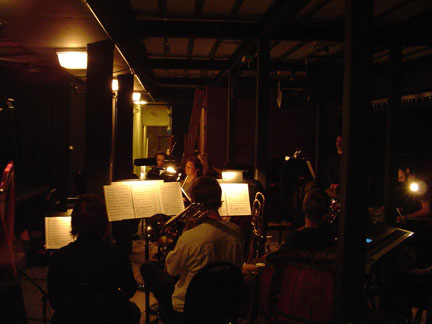
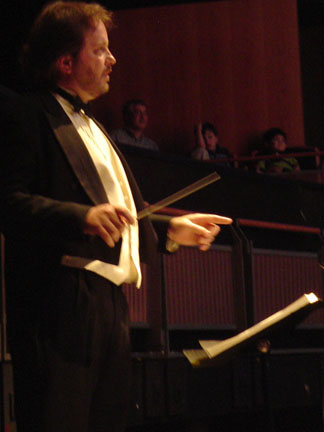
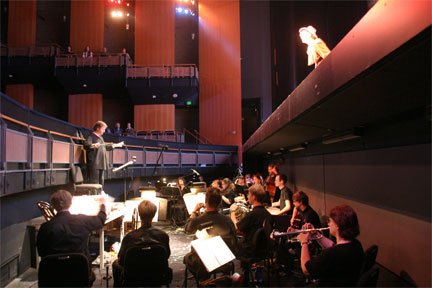
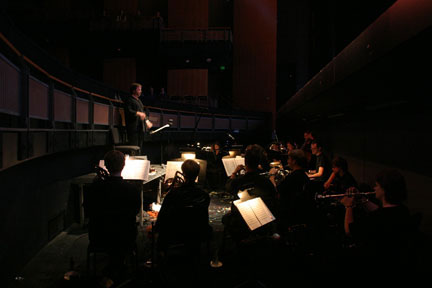
The orchestra pit is mainly situated underneath the front of the stage. We had the lid down on the sides of the pit and I would conduct from a roughly 6×6 hole at the front of the stage. Took a little bit to get used to. I am six feet tall and my eyes just about matched the bottom of the stage – so watching the pit below and keeping track of stage action was quite a lot like wearing bi-focal glasses.

The downside with the limited room was that I didn’t get a panorama view of the orchestra and stage, so aesthetically was lacking a bit. But for functionality it worked fine. A couple spots I had to lean to one side to conduct certain groups like a couple male choruses that needed clear visual direction. And was a little awkward when actors were at the very front of the stage, because I was looking at their toes. My cues had to be very high, don’t know if it was distracting for the audience or not.

For any downside caused by the limited square footage, it was made up for by the control of the audio and the intimacy of the room. Because the orchestra was completely covered like in a sound booth, the audio engineer was able to have greater control over the final mix. It was also a lot of fun to be so close to the audience – I think myself and the cast really connected with the audience interaction,

Backstage was well equipped with four dressing rooms, ample rest rooms, a main “green room” and laundry facility. The sound system at Kirkland PAC was very good. Overall I enjoyed our run in Kirkland very much. A very nice concert hall that this Eastside community should be proud of.

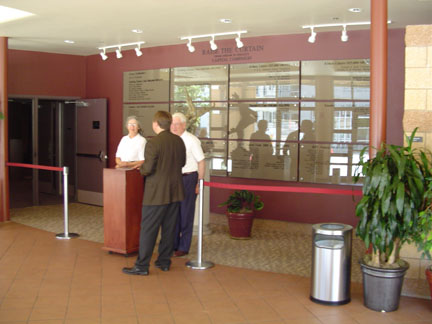
The staff at the Kirkland Performance Center is very professional and friendly, well stocked refreshments available before show and at intermission, and the lobby is very classy and clean. Seats are comfortable. Only side aisles for seating, no center aisle.

I just read a blog posting by the Cowboy Junkies who said they loved their double header shows at the Kirkland Performance Center – it is well suited for both stage shows and band performances.

Our full orchestra at McIntyre Hall was 18 pieces, we downsized to 12 for the Kirkland run. I would roughly estimate the maximum number of players for this orchestra pit to be about 15 people, maybe a couple more if they don’t take up too much space, like clarinets or flute.
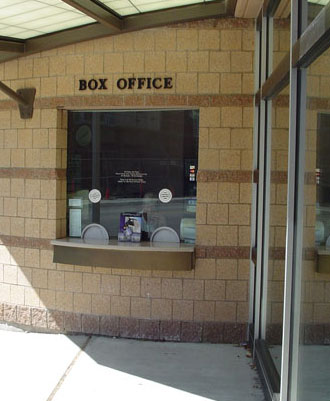
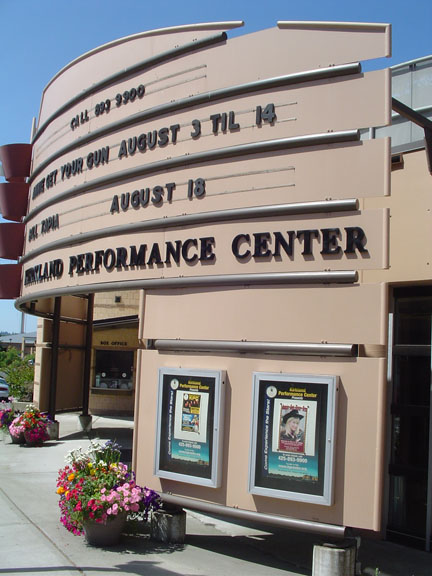
Outside front view of Kirkland PAC

DSC00888.jpg

Outside Ticke Booth

DSC00890.jpg

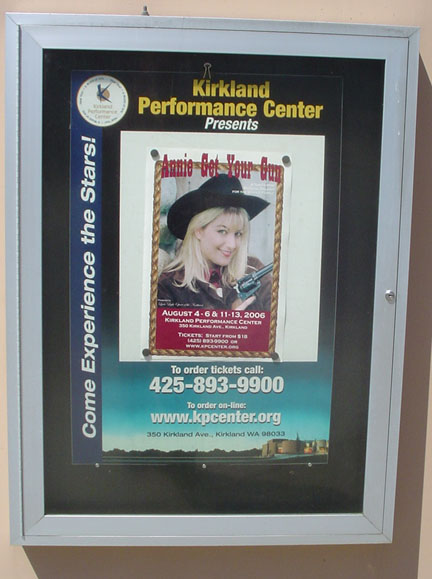
Outside billboard at Kirkland PAC

DSC00889.jpg

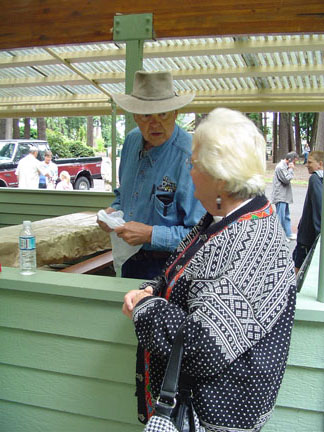
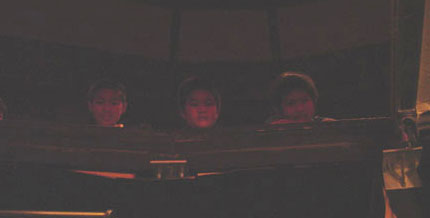
Three visitors peering into the pit conductor’s podium
DSC00892.jpg

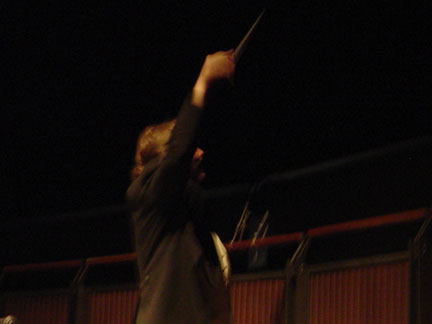
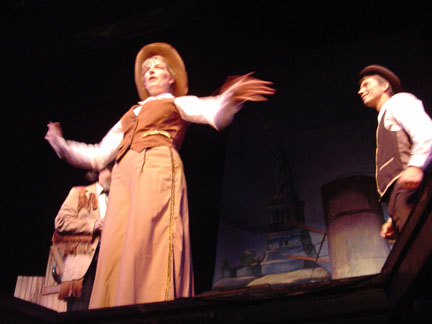
View during show looking up from conductor’s podium
DSC00898.jpg

Inside front doors of theatre lobby
DSC00887.jpg

Looking down at stage at top entrance of theatre
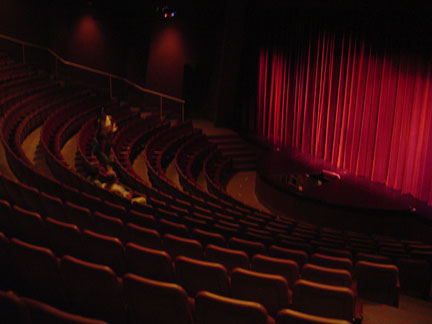
DSC00886.jpg

Front of audience, standing peering into orchestra pit, sides closed
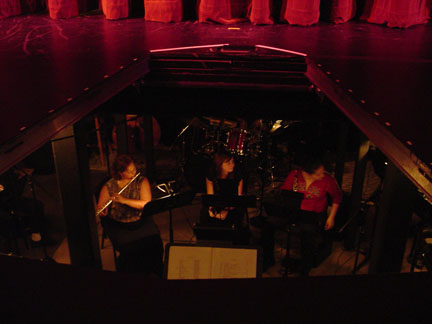
DSC00885.jpg

Bottom corner of theatre looking across theatre seating, seats 402
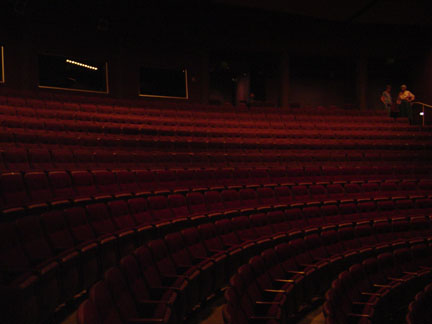
DSC00884.jpg

Curtains from conductor’s podium
DSC00880.jpg

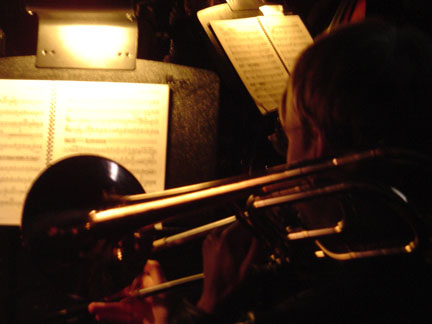
Down in the orchestra pit

DSC00882.jpg

Part of the Annie Get Your Gun orchestra between shows at
TGIFriday’s, a couple blocks from theatre.
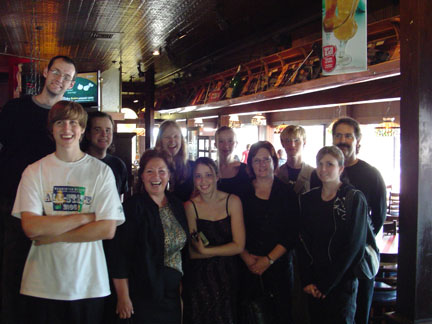
DSC00897.jpg

Orchestra pit dimensions: Width: 40
Depth: 15
Height: 9
Freddy Fender has incurable cancer

Freddy Fender has “incurable” cancer.
This is pretty shocking. I learned about this news, ironically, at my guitar forum Fender-Talk.com . We used to joke sometimes that the forum wasn’t really about Fender guitars, but a Freddy Fender fan club forum. Some of the members there have even gone to Freddy Fender shows with me as we travelled across the US. I toured with Freddy from 1996 to March of 2005 – 9 years.
I noticed in the article that Vangie (his wife) did not ask doctors how long Freddy has to live. I thought that was very classy, and typical of Vangie – who is the ultimate in class. When I stopped playing with Freddy I figured someday I would see some news on CNN that things had ended, just didn’t know it would be this soon.

The #1 question I get from people about Freddy is “what’s he REALLY like?” – And with that question starts the magic of Freddy Fender. I got to see Freddy for nine years backstage, at each town’s fanciest restaurant, in little dive greasy spoons as we made our way from gig to gig on an endless search for the world’s best Menudo. The answer to the question is: Freddy was really like how people see him onstage. That’s what makes him a star. He is honest and open.

Many of the musicians in his group far surpassed his music knowledge 100x over. But he was the star. He knows how to relate to an audience and how to create the magic in a song. That was the biggest lesson I learned from Freddy, it’s not what you know – it’s what you do with it. And with every song he gave it all he had – every time.

One day we were having lunch just the two of us, don’t remember where it was – but I remember he was eating Menudo (which is always a safe bet with Freddy!). I asked him about his battle with alcohol, about becoming sober and clean through AA – and what he had learned. He quickly got VERY serious – leaned in intently and said “I learned two things. I learned there IS a God, and I ain’t him.” Then he started laughing uncontrollable in his chortle giggle, another Freddy trademark.

I think of that a lot. There IS a God, and I ain’t him. Simple words to live by. Freddy was very simple, in some ways almost naive like a child. I think that’s part of the reason so many millions of people love him.

I also remember doing a gig with Freddy in Northern Minnesota. We were chuckling because we knew there would be no one there. Who’s heard of Freddy in Northern Minnesota. To our surprise there was about 5,000 people – all standing outside in the cold for the concert. Another learning experience for us, and another lesson in learning why Freddy is truly the “King of Tex Mex”.

Freddy would call me “El Blanco” – I have very white skin. And it was always a little comical that I was playing with a Hispanic Grammy winner – because I’m about as white as they come: Full blooded Norwegian Lutheran from Seattle. He was usually fair with me, and the few times he wasn’t – I understand his point of view and would have done the same if I had been in his shoes. A band on the road becomes a family with seven wives, and there would be spats – but I know the entire band was proud in their heart’s that we were playing with the real deal, the original.

You can find all the bio info on Freddy through Google – how he started in 1959, was the first Hispanic crossover artist, first artist on Hispanic, Country and Pop charts at the same time. Also look up Baldemar Huerta, his real name. Story goes they were trying to think of a stage name for him – in typical simple Freddy fashion he just looked at his guitar neck and said “Fender” – then thought Freddy went well with that. Don’t know if the story’s really true like that – but I always liked the story so never asked. It’s a keeper.

Every once in a while at a Freddy gig someone would come up who thought it was Freddy who built the Fender guitar. (Wrong Fender – it was Leo Fender). One show in particular there was someone who had driven hundreds of miles and absolutely would not believe me that Freddy did not invent the Fender guitar. They walked away very sad when they realized the truth. So in the future I never corrected people when they said that – thought I’d let them keep that story – just like I want to keep the story around Freddy’s name.

People have an image of road musicians that’s not entirely accurate – so I’d like to set the record straight. Ok, we party a bit here and there – but usually we would finish a gig at 11:30pm – then be rushed to the hotel room – have to mellow out for some sleep so we could get up at 5am to catch the next flight. Truth is, most of the time we were just trying to catch up on sleep – or maybe that was just me. Amazingly, Freddy was ALWAYS up and alert – the rest of us would be snoozing and he would be talking away – didn’t matter if it was 4am. I was always a little bit jealous that he had partied so much in his life – but had so much stamina. He is truly a “road dog”.

I had always wanted to arrange a CD for him with a real orchestra. Take his classics and really do them classy. He did something like that with the CD he won a Grammy for in 2002 – all classic arrangements with hand percussion and nylon string guitars. So now that I’m conducting so many different orchestras, I’ll pretend from time to time that Freddy is onstage singing.

I remember the one time Freddy got very mad at me. We were playing in Stateline Nevada (Think it’s called Jean, NV now) and we were practicing with him the song Margaritaville. In the verses he would always drop a couple beats. So in all my musical wisdom I thought he would really appreciate me pointing this out to him, and I was so surprised no one in the band was saying anything. As I started to speak up I could see two band members behind Freddy giving me the “slit throat” signs to shut up. Then I found out why. Freddy went ballistic. He said “I’ve been doing music since 1959 and you’re going to tell me how to do it? I am Freddy Fender, the way I do it is the right way.” And he WAS right. Part of Freddy’s trademark sound is his quirky timing and phrasing. That was a big lesson for me too. There is no “right” music, there’s just music the way you want it to sound. Needless to say I never corrected him again.
I was always the youngest member in Freddy’s band. Started with him just after my 30th birthday, and I just turned 40 a couple months ago. It was a real trip to be welcomed into Hispanic circles when I played with him, was not something I was used to. Felt like a big family to me, something I’ve only known since then in church settings.

I’m sure each of the old Freddy Fender band members will be dealing with this in their own way. PT Houston, Vern Monnett, Rhys Clark, Augie Meyers, Chris Jurado and Charlie Rich Jr.

.
Thanks Freddy. I know there’s a God. And I know I ain’t him.

🙂

Conrad

QandA – How to Produce Rap Music

Hey i do audio…and pretty decent at it if i sau so myself lolz..

n e wayz, i’m always learning new tricks when it comes to mixing and i was wondering if u have n e helpful tips with using reverb/compressor/and the equilizer….so yea what do say big guy? lol

Illbert Rhymestein
RapDogs.com

*****************

Hi Illbert,

I remember you from the forums. Major props to you and the Rap Dogs community. I listened to one of our tracks on SoundClick – “12-SupaStarr”

First of all it was a good track and good recording. You can definately play that in your car with pride. I’m assuming you want to elevate your skillz so let’s look at it more critically – to get it from “good” to excellent. Could this track be on a major label release? Sure, that’s a loaded question – anything could be on a major label release depending on the context. But if I was producing it there are some things I would do to it. I don’t have a Grammy yet, so maybe my advice is jacked up. (Key part of that last sentence is “yet”). You read, you decide.

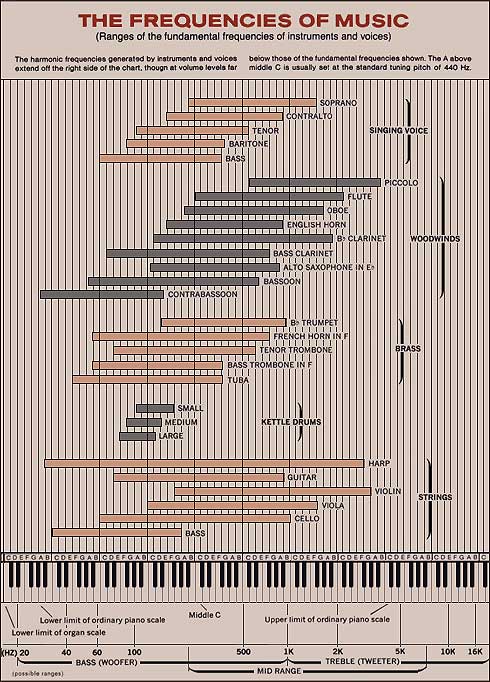
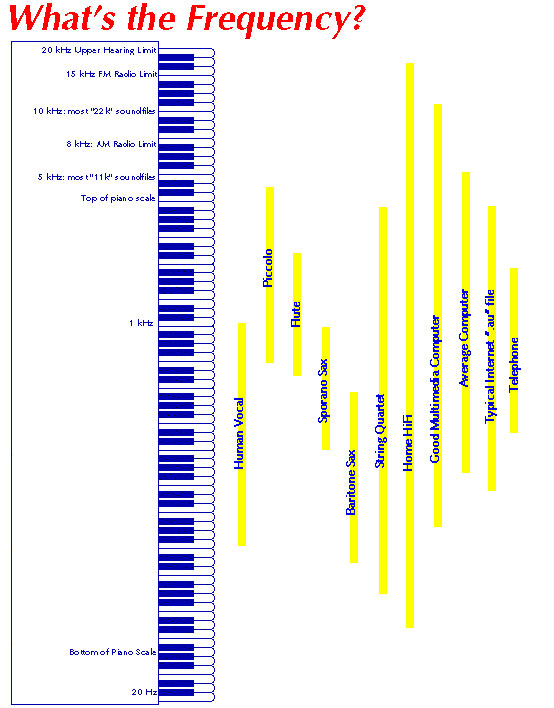
Brush up on Hertz. 20hz is the low low end – 20Khz is the upper end of human hearing. So we refer to low end as 20hz (low end 808) – 80hz (low end on lowfi audio system) – 80-160hz (bass guitar) etc….up to 1khz – 5-6khz (human voice clarity) to 10-12khz (hi hats, cymbals sizzle).

Check out this link for info about Hertz
Wikipedia article on Hertz audio spectrum

Ok, let’s start! I wish I was at a mixing board, because I could do all this faster than it takes to explain it.
DANCING FOR THE EARS
Most tracks I hear don’t “dance” for the ears. Usually there’s a soundtrack bed and then vocals over the top. But to be “excellent” the whole track should be one entity – track and the vocals should present a unified front. So most of what I’m going to write here are things you can do to make this happen. Music should delight the ears, should be like candy. With lots of little elements to keep the mind interested and engaged in the production.

VOCAL MIXING
You have two different takes of the lead vocals (two leads at different spoken pitches) which is cool. But both are EQ’d the same. Your lead vox is usually going to be mixed center, if they have the samej processing then both leads are taking up the same audio space. What about thinning one of the leads out, or what about recording THREE leads – One center and full, and two slightly left and right thinned out a bit. Or what about recording EIGHT tracks of lead and stacking them. A lot of the major labels do insane amounts of stacking – that “wall of sound” approach. There’s only so much room in the audio spectrum – so give your lead vocal it’s window – and then eq the support leads so they don’t interfere with that window. Example: Boost the lead at 5-6khz maybe 2.5 db, then LOWER the background vocals 5-6khz 2 db. That’s the general idea of creating a window in the audio spectrum. Of course you need to adjust this by ear. I will pan the audio around the general frequency I want to tweak, in this case I would listen to where the clearness of the sound “jumps out” a bit – that would be the frequency I want to hit in this situation.

BACKGROUND VOCALS
Are the background vocals eq’d, compressed and effected the same as the lead vocal. If so, was that your intent, or did it just happen that way? I like processing the background vocals different – usually thinning them a bit, experiment with panning (make sure it’s balanced unless you intentionally want it lopsided). I also like using entirely different fx on the bgv tracks. Especiallly in hip hop – it really helps accentuate the different between the verse and chorus. Sometimes I’ll take a bgv and totally thin it out with a low end shelf – maybe cut everything from 4khz and below out, then drench in a long verb. Can be very effective. As always, the context of the music depends on what will work and what won’t.

WORKING WITH A PREMIXED TRACK
Assuming your background track is premixed – for hip hop you especially want that low end bass and sizzling hi hat. Try a little boost around 20hz for the sub to rock in a good car system (also check out around 80-120hz, which is the low end of a semi-crappy audio system – mix for the bad systems too). Then check out the hi hat action from 10khz to 12 khz. Add a little sizzle up there if you can. Another trick is to add some sort of processing to both the vocals AND the track – a way to make them sound a bit more like they belong together. You could try a light verb with the low end rolled off (like even rolling below 600khz off on the reverb – you don’t want verb on your 808 kick, etc.)

WORKING WITH THE ORIGINAL TRACKS
If you have the original tracks to work with I could write a book on how to approach it. But the thing to keep in mind is that everything should work together – let the vocals have their own space, and give each instrumental track it’s own flavor to keep the ears dancing. Work with panning so there’s movement between the speakers, and make sure the individual tracks are not getting the in frequency or panning space of the vocals.

REVERBS ON VOCALS
Try using two verbs. A short verb that will thicken the front of the vocal without being blurry – like a vocal plate set at 20ms or lower – then add a long verb with a delayed attack, like 20ms delay on attack to strengthen the sustain of the vocal. Or try short and medium verb – idea is to get two different fx working in tandem with your vocal. In general I don’t like to “hear” fx – if you listen to a track and say “oh, that’s a long reverb” then it might be too much. Exception is when it’s intentional to be that way. So crank the fx, get it tweaked where you want it – then back off to where you don’t hear it. I didn’t hear too much fx on your track, so sounds like you already understand “less is more”.

STACK THOSE VOX TRACKS
I got to work on a preproduction project for Aftermath last year and had the opportunity to work on the original protools session on my own computer. Talk about stacking! Twenty tracks for the lead vocal alone – and this was just for the demo! It was that thick. Try going nuts and stacking the hell out of your vocals and see what you come up with.

COMPRESSOR AND LIMITER
Another trick is to run the lead vocal on it’s own limiter at -.01db of peak, and run the track at let’s say -.05db of peack. This means the vocal will always be at least .04db above the track, regardless of what’s happening with each. For compression you should decide how tight you want the vocal compressed – in general if you can hear the pumping of the compressor – it’s too much. On an overall track compression would be very light – let’s say 1.5db at 2:1 at peack – but vocal could easily be 6db at 4:1 at peak, and you could even compress the vocal more from there. My experience is that you can compress the spoken word much more than a sung vocal track.

Hope that info helps. Keep in touch.

Conrad

Annie Get Your Gun – Irving Berlin – Cast List

ANNIE GET YOUR GUN 2006
Lyric Light Opera of the Northwest
Music and Lyrics by Irving Berlin
Book by Herbert and Dorothy Fields

Directed by Brenda Mueller
Produced by Leslie Asplund
Assoc. Producer/Stage Manager – Ursula Schroepfer
Choreography – Stacy Lazanis
Orchestra Conducted by Conrad Askland
Chorus Mistress – Lyrica Mueller

Scenery Design by Robert Little
Scenery originally designed and built for
Utah Festival Opera Company

McIntyre Hall July 14-30, 2006
Kirkland Performance Center July 4-13, 2006

Presented through special arrangement with R&H Theatricals
www.rnhtheatricals.com

CAST (in order of appearance)
Charlie Davenport – Ryan Edwards
Dolly Tate – Sarah Simmons
Mac – Jordan Otruba
Little Girl – Anna Jenny
Mrs. Little Horse – Debbie Wolf
Little Sparrow – Abigail Wolf
Townspeople – Ann Nelson, Christine Wolf, Kelly Pollino, Tom Mueller, Luke Thompson
Cowboys and Indians – Anna Jenny, Christine Wolf, Jonathan Wolf, Sterling Mueller
Bad, Bad Man Girls – Claire Kidd, Lynette Cole, Natalie Howell, Sarah Howell, Sarah Jenny, Stacy Lazanis, Elisa Fuller, Ashley Rinas

Foster Wilson – Jim Otruba
Frank Butler – Kevin Pitman
Annie Oakley – Lyrica Mueller
Little Kate – Kristina Howell
Minnie – Ali Rinas
Mary – Susie Pollino
Nellie – Tisha Romero
Jessie – Leanna Crawford
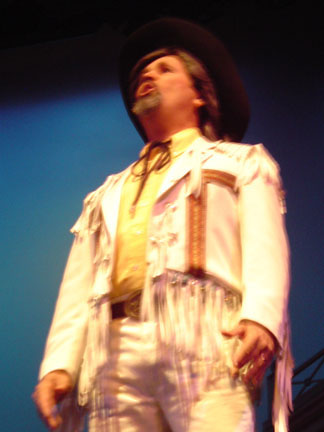
Colonel William F. Cody – Ric Shallow / Carl K. Turner
Cowboys/Indians in Train – Debbie Wolf, Abigail Wolf, Christine Wolf, Jonathan Wolf, SarahÂÂ Howell, Sterling Mueller
Indian with Banana – Tom Mueller
Train Conductor – Bob Cole
Moonshine Lullaby – Bob Cole, Jordan Otruba, Luke Thompson, Ric Shallow, Ryan Edwards, Carl K Turner
Pawnee Bill – Harold Page
Chief Sitting Bull – Kevin Cobley

Spirit of Sitting Bull’s Daughter (StandingÂÂ Holy) – Stacy Lazanis
Messenger – Luke Thompson
Mrs. Potter-Porter – Kris Hemenway
Mrs. Adams – Kelly Pollino
Debutantes – Ann Nelson, Ashley Rinas, Claire Kidd, Lynette Cole, Natalie Howell, Sarah Jenny, Sarah Howell

Featured Ballroom Dancers – Elisa Fuller, Luke Thompson, Stacy Lazanis, Ryan Edwards

PRODUCTION TEAM
Lighting Design – Steven Craig
Sound Design – Kyle Blevins
Costumes – Ramona Cooley, Darlene Kingma, Lyrica Mueller
Props – Sally Simmons, Sarah Simmons
Makeup/Hair – Ric Shallow, Wendy Howell, Natalie Howell
Graphics/Web Design – Debbie Wolf
Banner Photography – Eric Callies Photography
Marketing Team – Debbie Wolf, Ric Shallow, Kris Hemenway
Stage Manager – Ursula Schroepfer
Assistants to Stage Manager – Claire Kidd, Natalie Howell
Fly Captain – Dave Mumford
Firearms Handling – Bob Cole
Crew – John Hepola, Scott Cole, Bob Schroepfer, Jonathan Norris

Why Slugs Make Me Happy

DSC00750.jpgSlugs make me happy. And I know you’re on the edge of your seat to know why. Everytime I see a slug I’m reminded that I’m back in the Pacific Northwest – and I really love it up here.

I remember as a kid hunting slugs (I wasn’t very fast) so I could drown them in salt. I have given up this barbaric practice for more peaceful ways, but have recently found out that some family members still enjoy the salt ritual. Mmmm…..apples don’t fall far from the trees, do they?

I also remember my sister telling me stories of a friend of hers as a kid that would eat slugs. Sure enough I brought up the subject of slugs at church today and was treated to a graphic story about someone’s childhood friend that ate slugs. Am I the only one who has never seen someone eat a slug? I feel like I’ve missed out.

There were also high tech slug experiments carried out in my youth. And I can tell you from repeated scientific experiments under controlled settings, that the guts do indeed pop out of the opposite end you step on. Eewwww…..you didn’t want to read that did you? 🙂

Good to be back in Washington. Where all slugs are welcome to roam freely and follow their dreams……….(just watch out for the salt).

MVPres Outdoor Church Service 2006

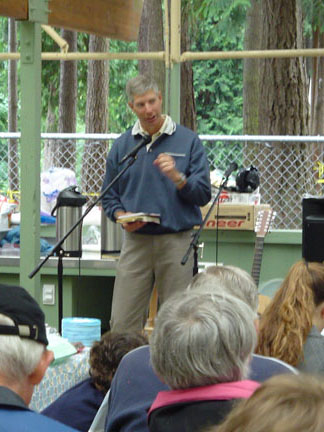
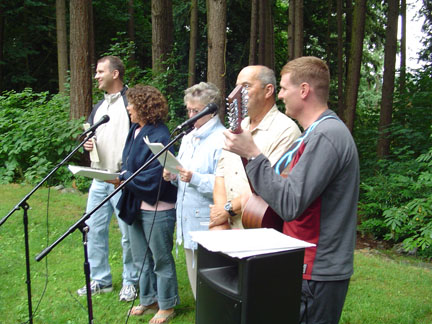
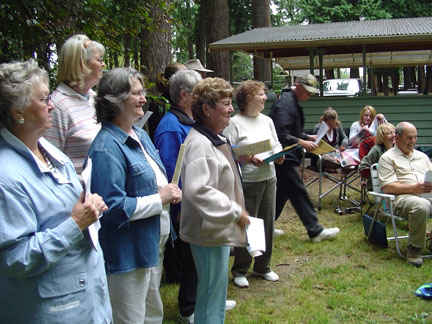
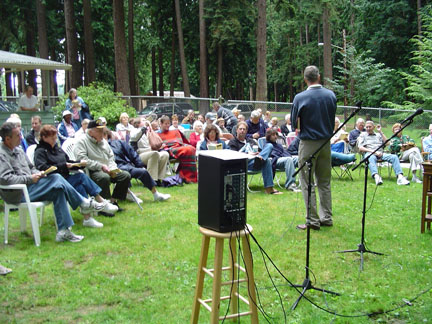
DSC00762.jpgMount Vernon Presbyterian Church had their annual outdoor church service in the park today. The weather was on everyone’s mind. The night before it started raining but stopped by morning time. Our service started at 10am and it started downpouring early in the service. We all high-tailed it for cover and held the service in the adjoining picnic area.

In a way it was more beautiful this way. We were all wet and huddled together, warmed by our common bond of faith. The choir gave a short history of classic hymns, we had a skit, praise music led by Andy Thor on guitar and of course a great message by Pastor Steve Weber.

This is such a great church family and I feel like the luckiest guy in the world to be able to lead their music program. The warmth and commitment of this group is beyond words to me. I think it’s a very interesting story how I was brought to them. It was not by any work of mine, there was another hand in this. A hand much greater than mine.

Enough of my blabbering….here are some photos:

DSC00760.jpg

DSC00758.jpg

DSC00757.jpg

DSC00753.jpg

DSC00751.jpg

Annie Get Your Gun – Orchestra Pit Musicians Photos

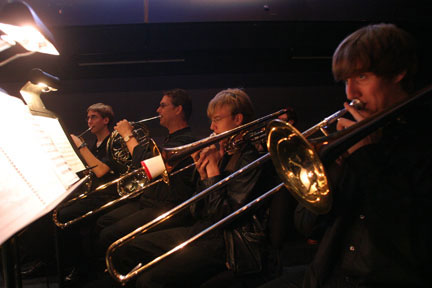
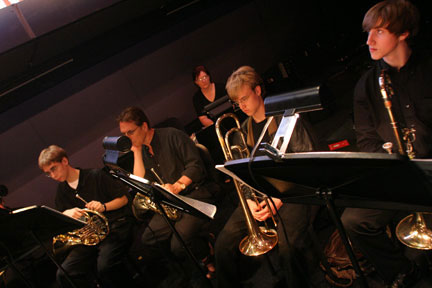
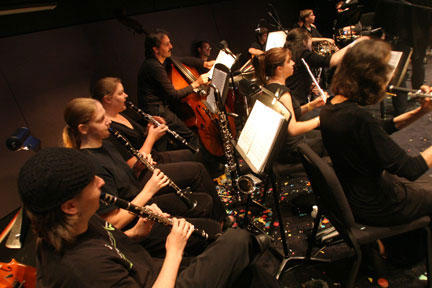
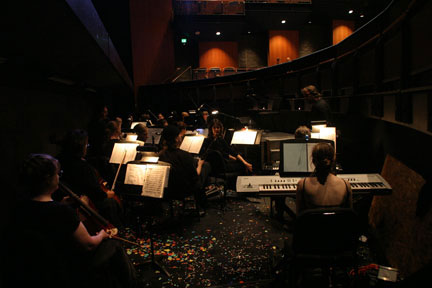
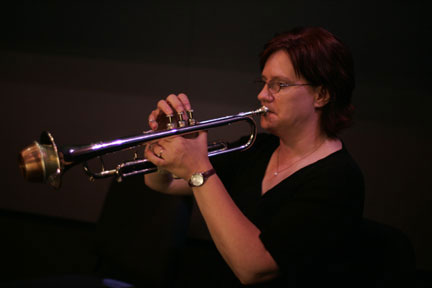
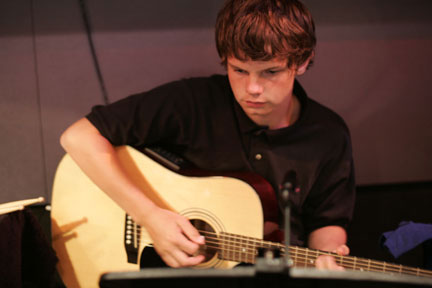
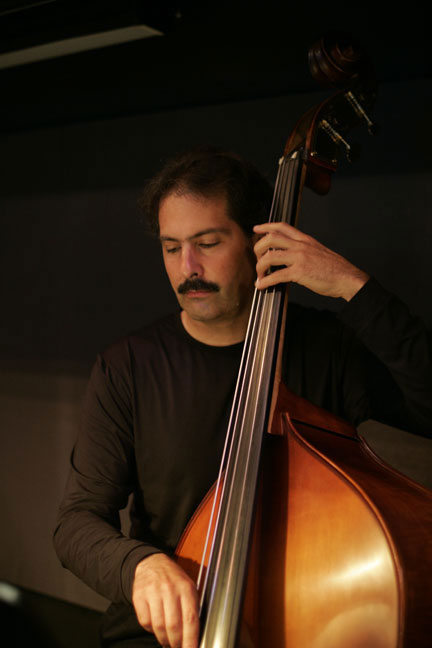
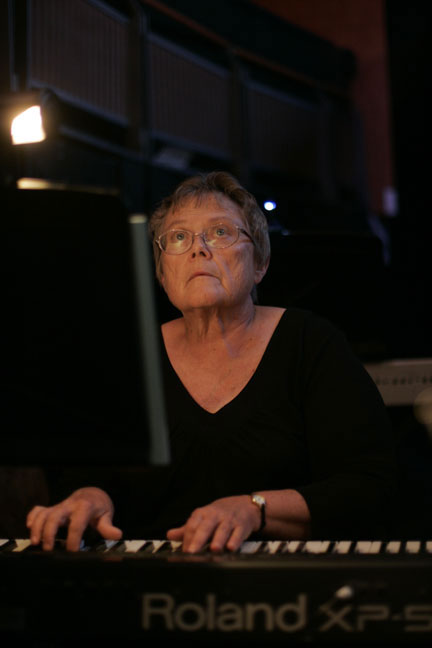
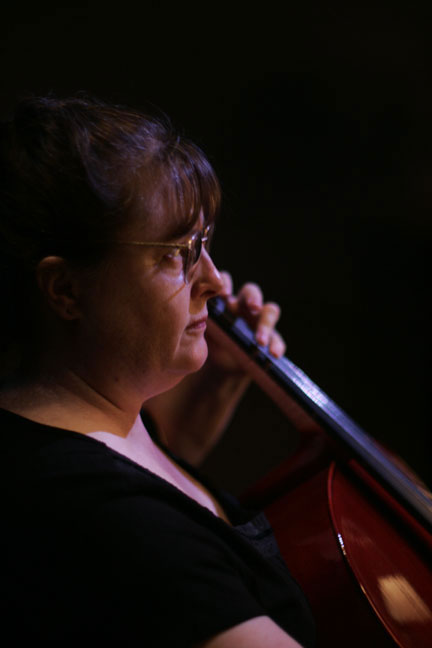
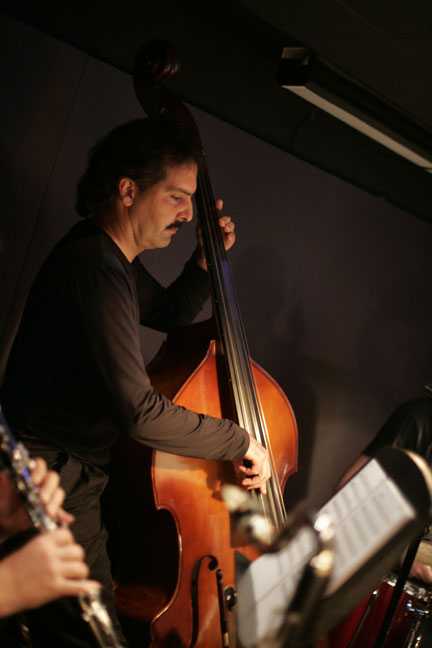
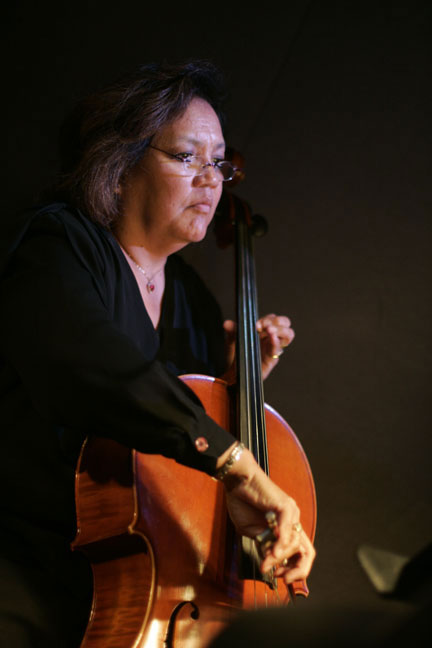
IMG_0722.jpgHere are photos from the orchestra pit at McIntyre Hall (Mount Vernon, WA) for the Lyric Light Opera of the Northwest production of Irving Berlin’s “Annie Get Your Gun”. Produced by Leslie Asplund, Directed by Brenda Mueller and conducted by Conrad Askland.

2006 ANNIE GET YOUR GUN MUSICIANS:
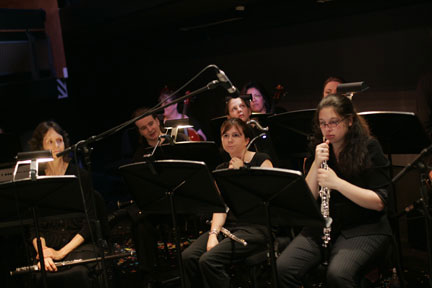
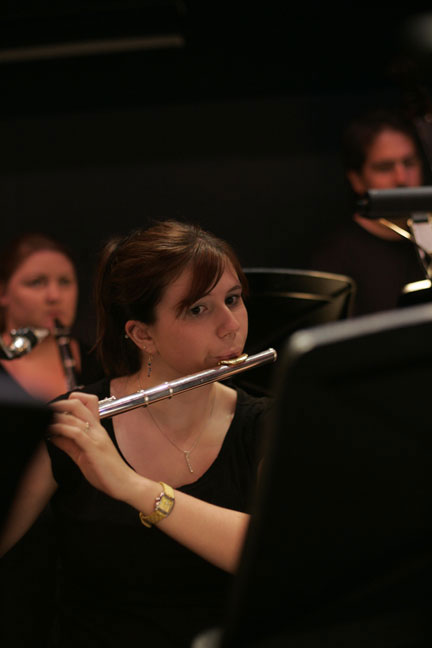
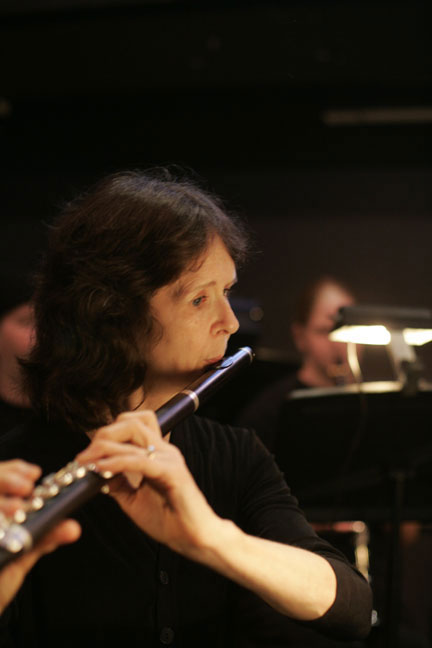
Flute I – Alicia Jackson
Flute II – Lorie Wooldridge
Flute sub – Stephanie Bethea
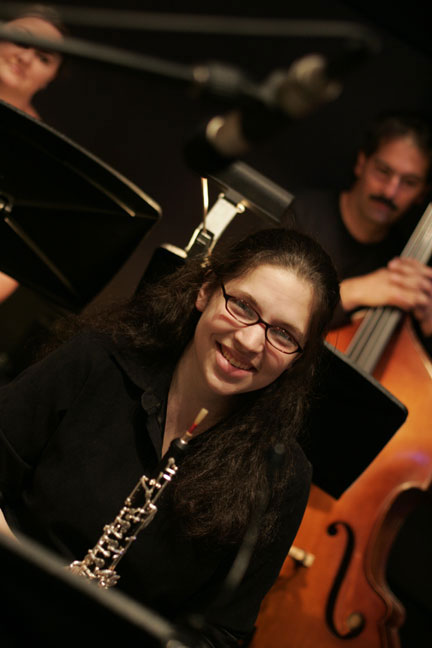
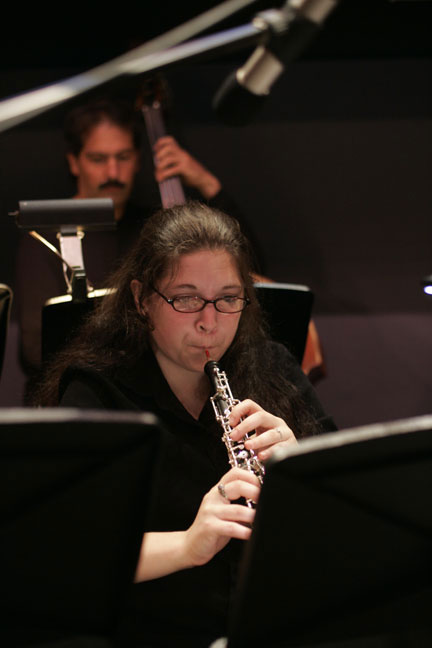
Oboe – Rebecca Wright
Clarinet I – Ashley Hall
Clarinet II – Darian Asplund
Clarinet sub – Michelle Hanna
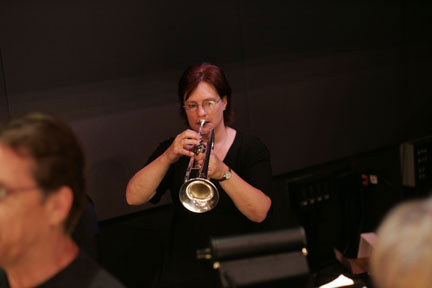
Trumpet I – Cindy Luna
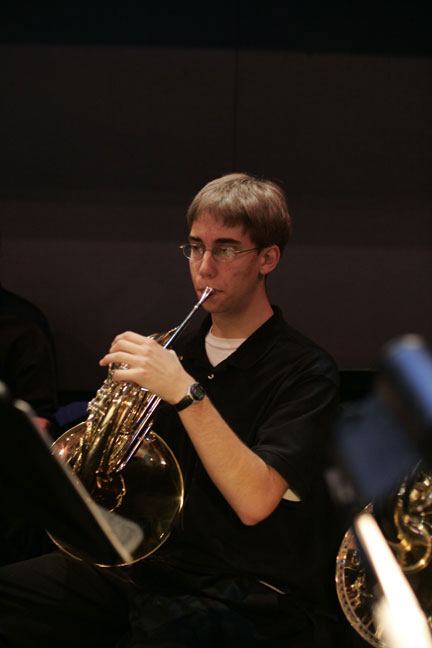
French Horn – AJ Brodin
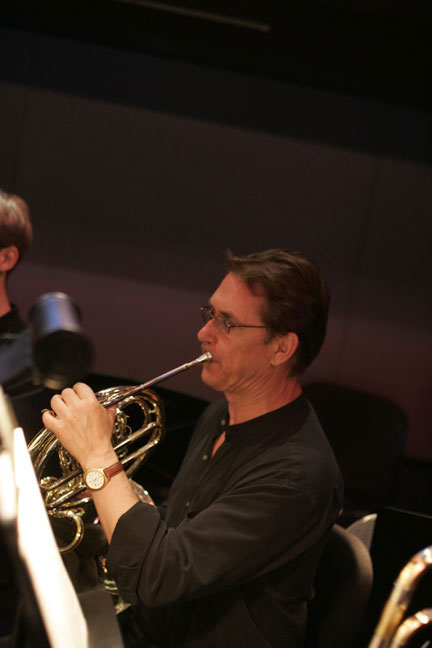
French Horn – Jim Gaudette
Trombone I – Brian Bernethy
Trombone II – David Andersson
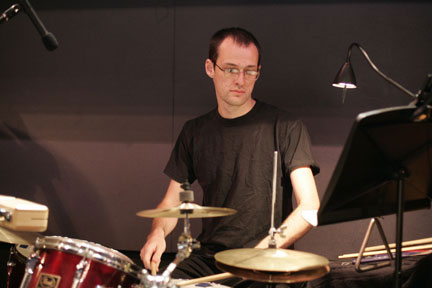
Drums – Dean Bunnell
Bass – William Maxwell
Cello – Kathryn Murray
Cello – Sharon Sparling
Guitar – Paul Hixson
Harp – Christy Swartz
Keyboard I – Ruth Haines
Keyboard II – Lauren Lippens
Conductor – Conrad Askland

_G0X0878.jpg

agyg21.jpg

agyg11.jpg
IMG_0724.jpg

IMG_0722.jpg

IMG_0720.jpg

IMG_0719.jpg

IMG_0717.jpg

IMG_0715.jpg

IMG_0712.jpg

IMG_0711.jpg

_G0X0914.jpg

_G0X0910.jpg

_G0X0908.jpg

_G0X0906.jpg

_G0X0905.jpg

_G0X0901.jpg

_G0X0900.jpg

_G0X0899.jpg

_G0X0898.jpg

_G0X0897.jpg

_G0X0896.jpg

_G0X0895.jpg

_G0X0893.jpg

_G0X0892.jpg

_G0X0890.jpg

_G0X0889.jpg

_G0X0887.jpg

_G0X0885.jpg

_G0X0881.jpg

_G0X0879.jpg

_G0X0879.jpg

My favorite element about this particular group was the mix of seasoned musicians and young players. What a great way for young musicians to learn, and for seasoned players to share their experience!

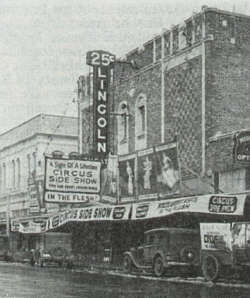
Lincoln Theatre on Auction Block ? Mount Vernon, WA

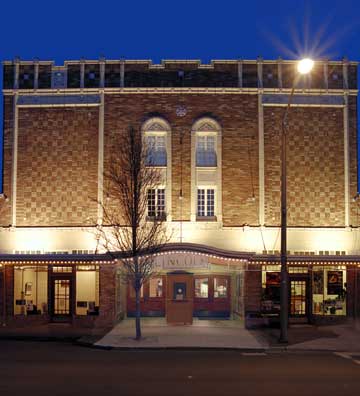
lincoln-theatre1.jpgThe City of Mount Vernon is considering putting the historic Lincoln Theatre up for sale. For more info about the theatre visit the Lincoln Theatre Website. Please make your voice heard at the next Mount Vernon City Council Meeting on Wednesday, July 26th 7pm – The Mount Vernon City Council meets twice a month for regular Council sessions. Meetings are held at 1805 Continental Place, 7:00 p.m. and are open to the public.

I recently relocated to Mount Vernon Washington, and two of the draws for me was the beauty of the Lincoln Theatre and McIntyre Hall. Hopefully there’s an alternative so this venue can be kept as a classic live performance venue.

Here is an email on the subject from Kate Kypuros, META Performing Arts:

Can you imagine walking into the Lincoln Theater and
visiting it as a museum instead of a forum for arts
films, live theater, music and public comment?

That is one of the things being considered as the
Mt.Vernon mayor and city council decide what to do
with this historical downtown hub.

This coming Wednesday night there is a meeting at the
Lincoln Theater in downtown Mt. Vernon. If you want
to see the Lincoln remain the center of activity in
downtown Mt. Vernon, join others to make your voice
heard.

Call the Lincoln for more particulars. I do not know
them, but I felt it was important to get the word out
asap. I hope to see you there.
Kate

LINCOLN THEATRE HISTORY
lincoln_exterior-l-250.jpgThe Lincoln Theatre, a restored 1926 historic vaudeville & silent movie house in downtown Mount Vernon, presents a year-round schedule of concerts, current and classic films, and community events. The theatre works with local school districts, hosting school performances and workshops by performing artists on tour, as well as annual concerts by secondary school bands. The theatre hosts concerts by the local youth symphony, presents community-sponsored children’s theatre productions, as well as serving as a venue for fund-raising events by local service organizations. The Lincoln Theatre Center Foundation, founded in 1987, is a registered non-profit organization supported by over 2000 members from Skagit and adjoining counties.

  • Cost of Building: $100,000
  • Cost of Organ: $22,500
  • Cost of Furnishings & Equipment: $32,500
  • Weekly Payroll: $160

A 1926 SHOWPLACE
When the Lincoln Theatre was built, it was hailed for its originality and beauty. The Argus reported on May 13, 1926, “Nothing like it has ever been constructed before…the theatrical world is setting back astounded.”

The Lincoln is what’s called a period theater, which were in vogue around the time it was built. Some theaters built in the twenties had an Egyptian motif; one Seattle theater had a Chinese motif, but the Lincoln was a little different for the Northwest; it had a Spanish motif.

Manager Edwin Halberg ignored the pleas of his friends that he follow the crowd and make it Egyptian. He foresaw a time when movie fans would tire of such a motif. He personally designed the luxurious carpet, the decorative effect on the walls, the hangings and draperies, and the lighting effects.

The primary colors were blue, yellow, and red. The foyer was lighted with quaint, wrought-iron patterns of Spanish design. The walls have what’s known as a travertine finish.

WURLITZER MAGIC KEEPS TRADITION ALIVE

Of the 98 Wurlitzer organs remining in their original theaters in the U.S., the Lincoln Theatre’s Wurlitzer is one of only two 2-manual, 7-rank D-2 Full Unit Orchestra models. It has a full set of organ pipes, as well as a set of ‘toys,’ the mechanical sound effects for silent movies, as well as marimbas, drums, glockenspiel, xylophone, cathedral chimes, celeste, etc., and an original Wurlitzer piano.

The Lincoln Wulitzer features seven ranks of pipes, a remote piano, and a complete sound effect system for silent films, including beats, castanets, drums, cymbals, glockenspiels, and marimbas, as well as a set of silver chimes mounted on the auditorium’s painted columns.

Much work has been done by our pool of volunteer organists and technicians to maintain and repair our musical treasure.

The console has been pulled, cleaned, and rewired; several ranks have been gone through, with new leathers and blocks installed; and the “toy box” for sound effects has been rearranged for easier access and repair. All the work has been done by dedicated volunteers, including Gene Peden, Bob Martin, and Keith Thompson.

The volunteer organists who perform before each film showing are Dusan Mrak, Jeff Fox, Gene Reden, Glen DesJardins, and Ken Fenske. Thanks to all of them for keeping the theater organ tradition alive at the Lincoln!

We are always in need of more players. If you are interested in performing at the console, give us a call and you can play the pipes!

More on the history of the Lincoln and the pipe organ: