I guess I am simple minded when it comes to the inspiration for why I am in the arts. I have had several conversations with various people in the recent past where they told me the deep seated motivation behind their work in the arts. Concepts from educating the public on social issues to, shocking people into the reality of the state of our world; and many other noble concepts.
Shallow as it may seem – it is entertainment to me. The arts are a way for us to transcend every day living and go somewhere else for a while. A place to be happier, darker, lighter, heavier than we could ever be in the real world. I used to have a t-shirt that said “Art is more important than life.” It certainly is better than everyday life.
I’m proud to be part of that, but have no grand social statement to make through art.
Why am I so superficial about my life’s work? Because it happens on it’s own. In the cracks and crevices of what we attempt to create; things are created that acheive their own social statements without our help.
If you call me up to go to a show and say “This is a social commentary on the state of our world”, I’ll only go begrudgingly. I would much rather see Mary Poppins. I am part of the general audience too. That general audience sometimes referred to as “the masses”, “the uneducated”, “the stupid”. And I want to feel something that moves me.
My experience has been when we try to steer with grand things to say – we fall flat of our intentions. But when we just let art flow and do our thing – a great many people are moved in ways we could never have anticipated.
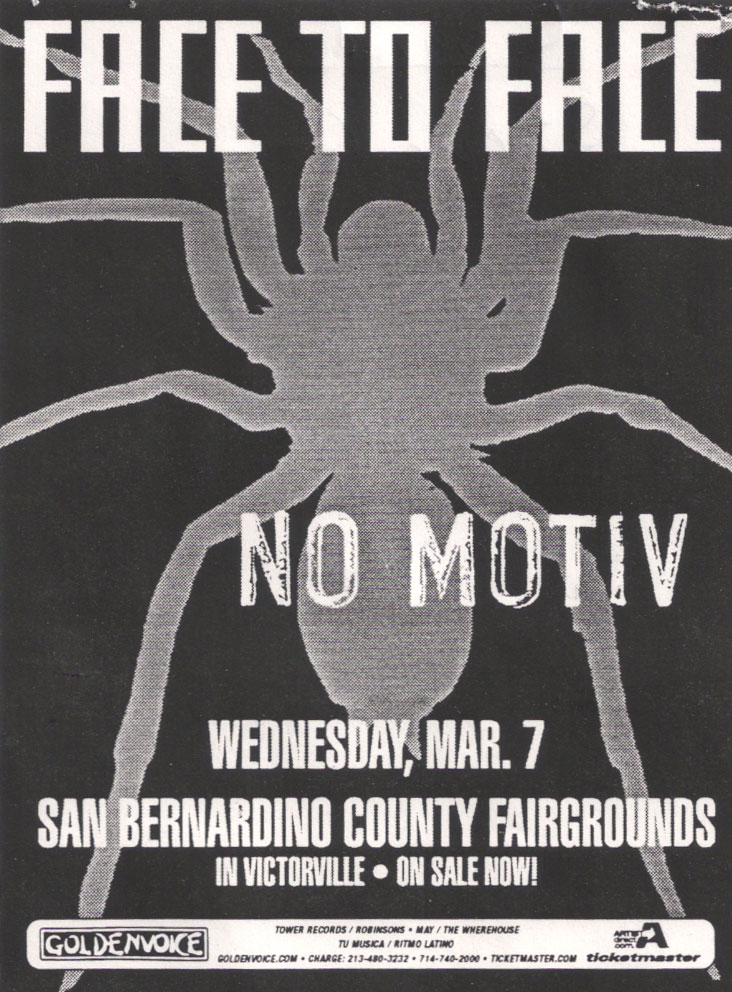
A concert playbill for punk band Face to Face and No Motiv at the San Bernardino Fairgrounds.
Face to Face is from my old stomping grounds in Victorville, CA. Rob Kurth, their drummer for many years, played drums on several tracks that I mixed and mastered in the recording studio. He is an excellent drummer, not just for punk, but for pop styles as well. Very solid player.
Origin    Victorville, California
Country    USA
Years active    1991-2003
Genres    Pop punk, Skate punk
Labels    Dr. Strange Records, Victory Records, Vagrant Records, A&M Records, Fat Wreck Chords
Beginnings
face to face originally formed in 1988 as a local band under the name “Zero Tolerance”[7] by Keith (guitars, vocals) and Matt Riddle (bass), who had been friends since high school during this time. They found Rob Kurth, as their drummer, through mutual friends and started writing and rehearsing, although Zero Tolerance never released any recordings. Kurth’s friend Mark Haake joined on as an additional guitarist for a couple of months before getting orders to the Middle East with the Air Force. As a 3-piece, the band played a show at Spanky’s in Riverside, California, and a couple of other local shows. When Haake left, the band continued as a 3-piece and changed their name to “face to face” in 1991.
The band continued to play frequently throughout the Inland Empire and Orange County and quickly became a local favorite alongside bands like The Offspring, Guttermouth, Voodoo Glow Skulls, and others. At one of the local shows, the band met Bill Plaster of Dr. Strange Records. They decided to do a record together and face to face entered the studio at Westbeach Recorders in Hollywood, California to record songs for their first album, Don’t Turn Away (1992). Once the recording was finished (in 2 weekends) there was trouble getting it released; in the interim the band met Jim Goodwin. Goodwin offered to record the band’s new songs for free, and they entered the studio to record songs such as, “Nothing New,” “Pastel,” and “Disconnected”, which also ended up being on the Don’t Turn Away album.
As a four-piece band
In 1993, just after a three-week tour in Germany supporting Lagwagon, face to face added Chad Yaro as an additional guitarist to fill out the sound of the band. Before the band would work on their second album, they made a decision to go with a then-new label that had major-label distribution. The label, Victory Music, signed them and then they entered the studio with producer Thom Wilson (of The Offspring fame) and began recording their second album, entitled Big Choice.
The label was nervous about their distribution deal and wanted a test release to run through the system, and the band put together an EP of songs from 7″s and other rarities called Over It. The EP was released weeks before Big Choice and the label had a remixed version of the song “Disconnected” on the play list at KROQ-FM in Los Angeles, California. Because of the success of the single on radio, the label convinced the band to add “Disconnected” to Big Choice as a bonus track (a third recording of the song); additionally, a cover of The Descendents’ “Bikeage” is included as a bonus track. After touring with bands such as NOFX, The Mighty Mighty Bosstones, and The Offspring during 1995, Riddle left face to face and went on to play in 22 Jacks and Pulley before settling on No Use for a Name. The band replaced him with a then-unknown bassist, Scott Shiflett.
In 1996, face to face began writing and recording their third album, which is self-titled. This being the first record without Riddle, who had been Keith’s songwriting collaborator, Keith wrote the majority of the songs with some help from Shiflett and Yaro. They recruited Jim Goodwin again to record and produce the record. Following the release of the album, they joined the Warped Tour in 1997. After the release of their self-titled album, Kurth left face to face in early 1998. To finish out the touring cycle for their self-titled record, the band replaced Kurth with Jose Medeles, who was out with them on a co-headlining US tour with the Reverend Horton Heat band, before taking a break to write and record their next album. After Pete Parada joined the band as Kurth’s replacement, the band started writing and recording two more albums (with producer Chad Blinman), Ignorance is Bliss (1999) and Reactionary (2000), before Yaro left the band in 2001.
Post-Yaro period
Following Yaro’s departure in 2001, face to face decided to stay a three-piece again and began writing material for what would be their sixth and final studio album, How to Ruin Everything. After getting out of a less than desirable deal with Beyond Music, How to Ruin Everything was released on Vagrant Records in 2002. Following that, the band headlined and joined The Warped Tour for the first time since 1997.
Breakup
In 2004, after announcing their breakup, it was announced that face to face’s hiatus would be permanent as their official website displayed “Don’t call it a come back”. They gave most of their fans a proper farewell with “The Only Goodbye Tour” of 2004 with supporting acts My Chemical Romance and Seconds to Go, which followed the raucous Warped Tour finale in Boston. Orlando fans had their farewell show cancelled due to Hurricane Charlie. It was rescheduled as the last date on the tour, but that show was also cancelled.
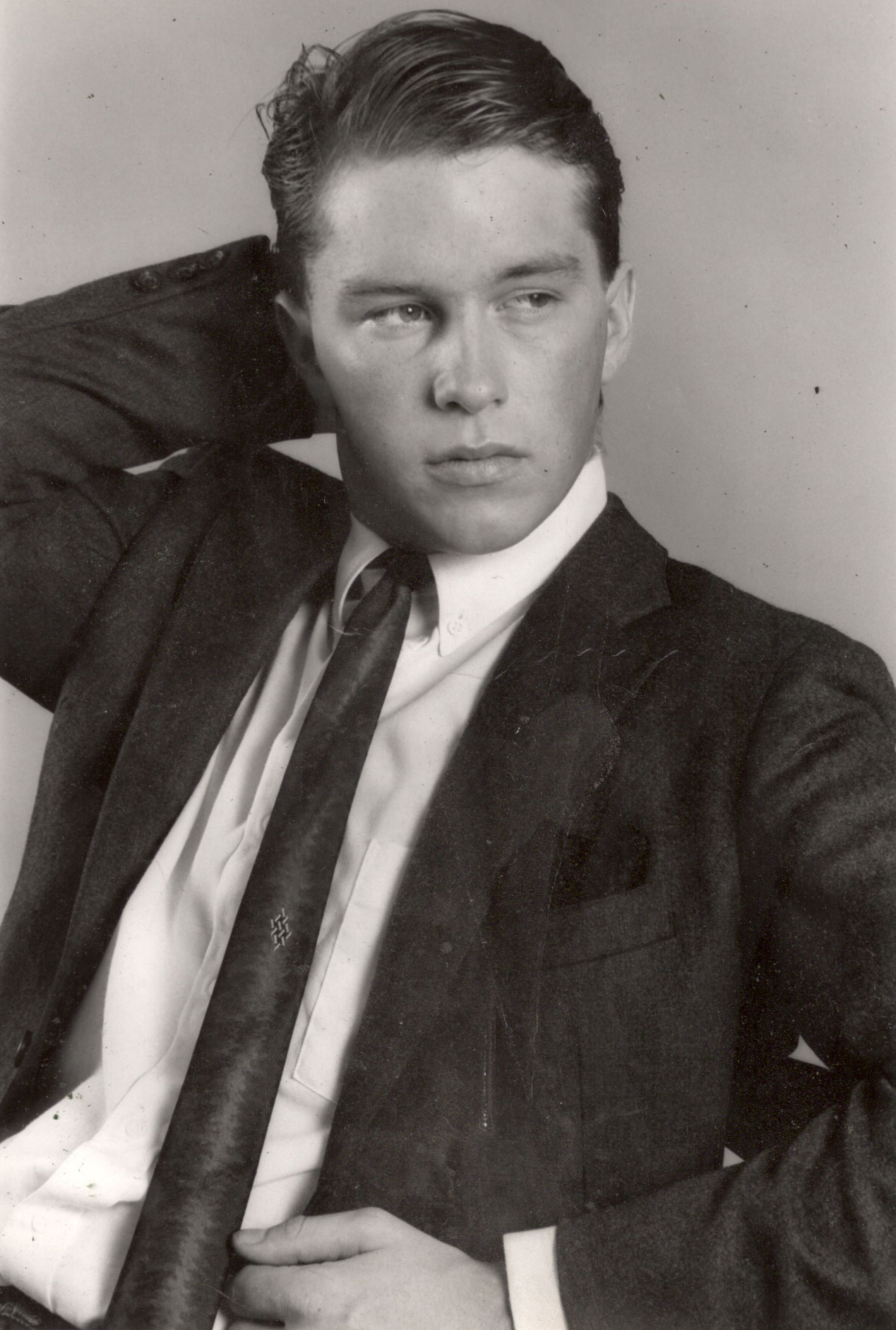
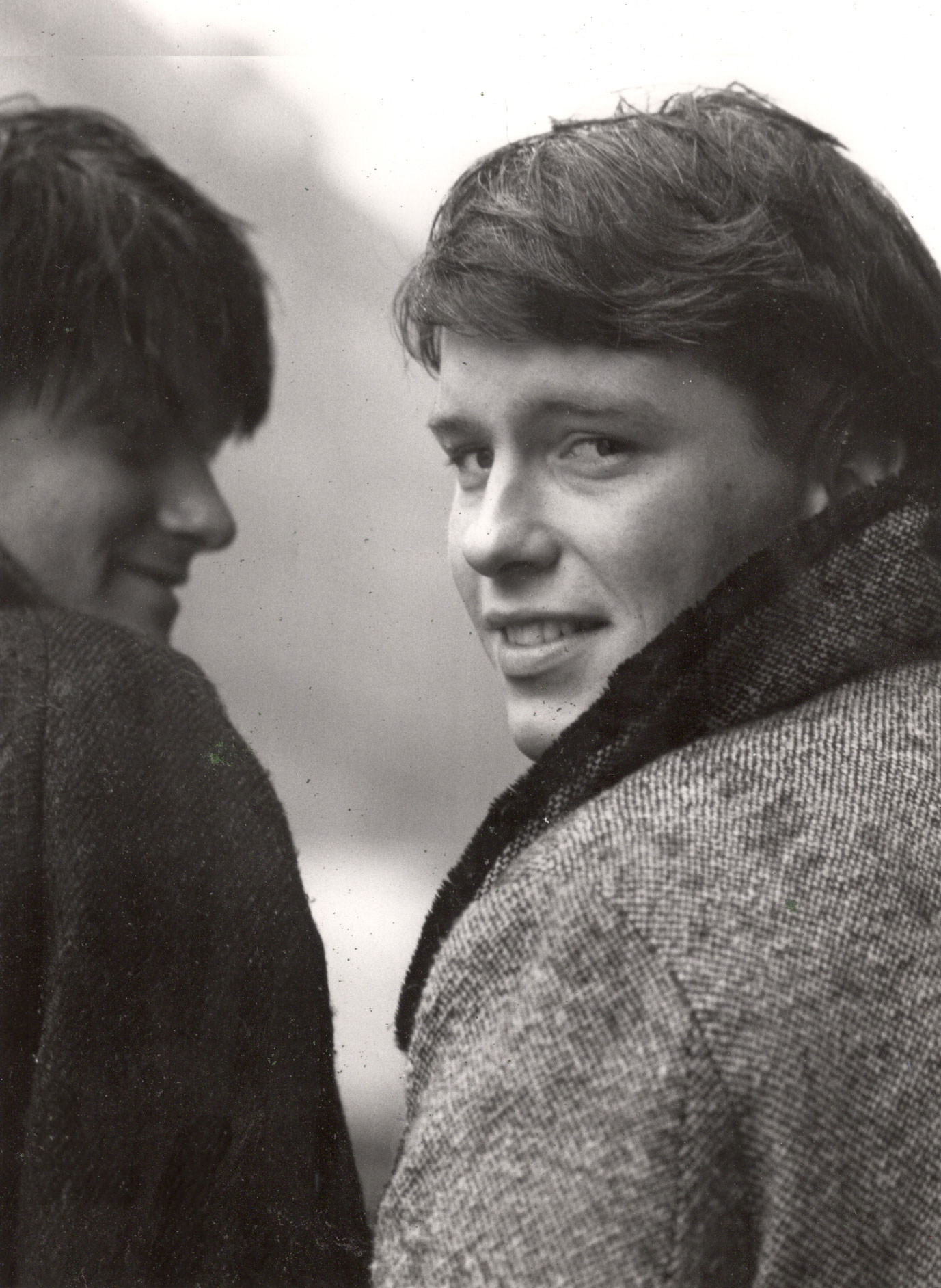
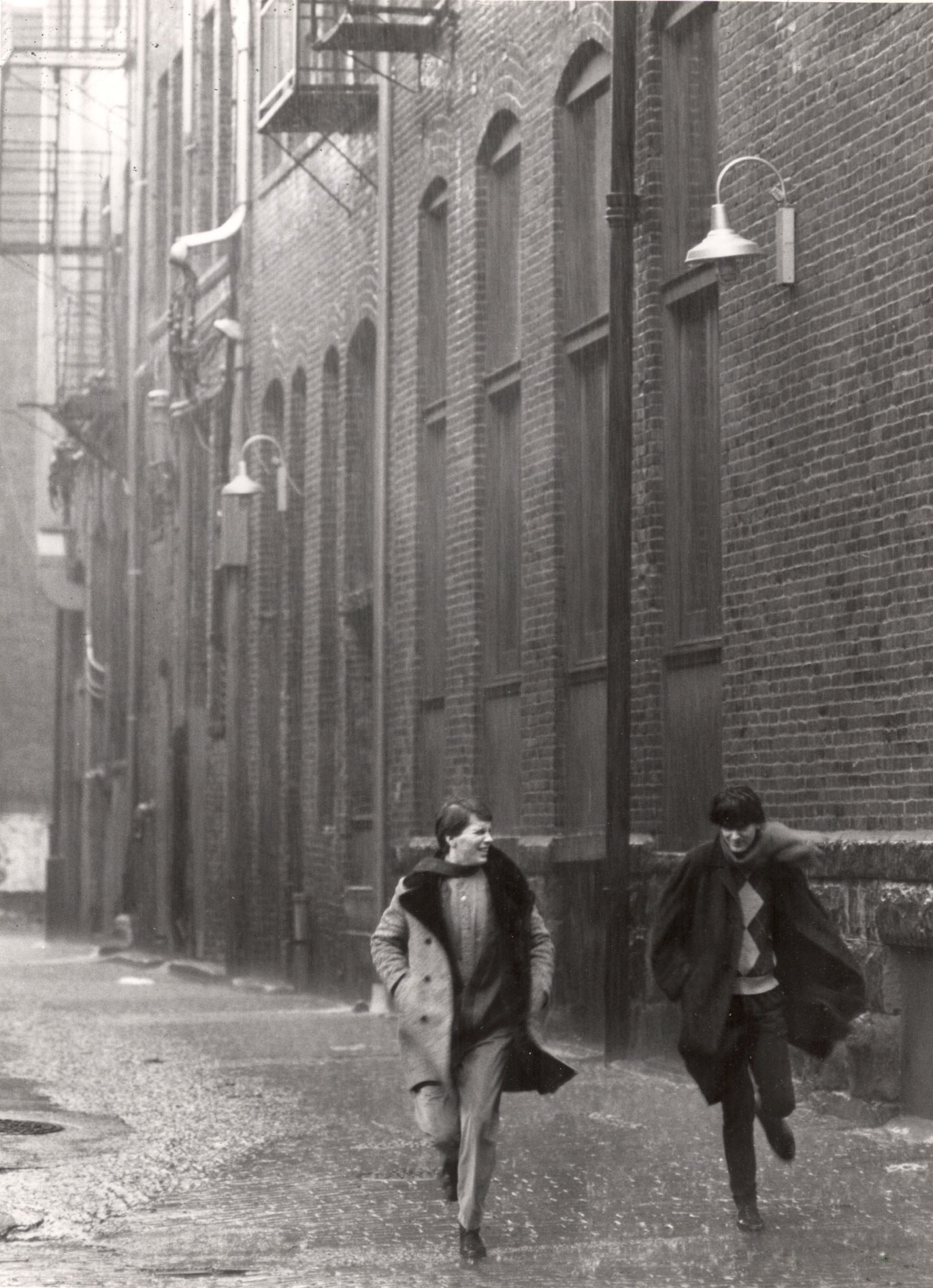
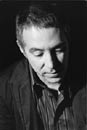
I ran across these photos taken back in 1985 in Seattle, WA. At the time I was heavy into the underground music scene in the Seattle area and Capitol Hill. Being from Bellevue, WA which was widely regarded as the preppy, snobby and uppity suburb of the Seattle area – I would play that up and went to most of the underground clubs wearing suit and tie. Very fun times.
Other person in the photos is Michael Shropshire. At the time he was often mistaken for the lead singer of the Cure. And that was always fun too.
Click on images for full size resolution, if you dare.
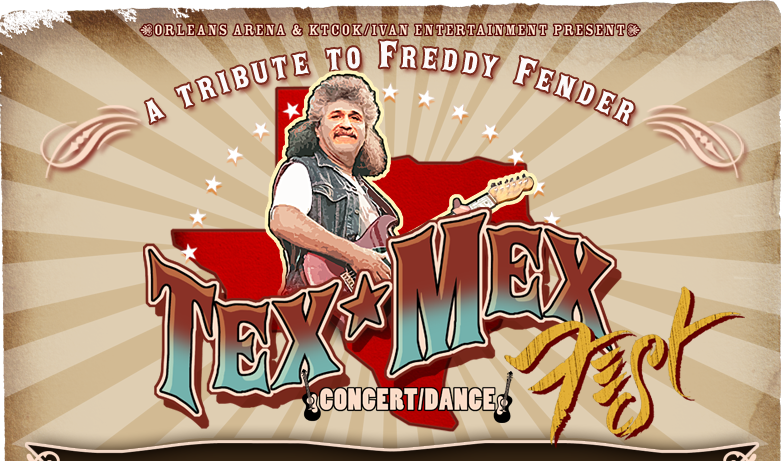
MUSIC LEGEND AND CROSSOVER PIONEER FREDDY FENDER TO BE REMEMBERED WITH ALL-STAR TRIBUTE
Ivan Entertainment and KTCOK Enterprises are pleased to present a show-stopping Las Vegas extravaganza in honor of the late Tex-Mex musical legend and country-rock trailblazer Freddy Fender. Among the slate of All-Star celebrity artists scheduled to appear are Grammy Award-winners such as Little Joe y La Familia, Ramon Ayala y Los Bravos del Norte, country crooner Johnny Rodriguez, Roberto Pulido, Johnny Hernandez, California Chicano sound originators Tierra, Charlie Rich Jr. and Augie Meyers, a founding member of the Texas Tornados. Actor Jesse Borrego, former star of the television series “Fame” and films such as Con-Air, Bound by Honor and Lone Star will join the all-star musical line-up as master of ceremonies.
A successful concert promoter and son of legendary Tejano artist Little Joe Hernández, Ivan Hernández is aiding by fueling a modern-day renaissance of the Tex-Mex sound while dedicating himself to the preservation of a powerful legacy and native musical tradition. For this historic tribute, Hernández has recruited an impressive line-up of musical giants who will appear together on stage for the first time ever at the Orleans Arena on Saturday, June 16th as part of a historic dance and concert being held to remember fellow Texan Freddy Fender, a rocker who achieved crossover star status with a string of No. 1 hits on Billboard’s Country and Pop charts, while recording widely popular Spanish-language versions of hits by Elvis Presley and Harry Belafonte.
Born Baldemar Huerta in San Benito, Texas, he showed musical promise at an early age and constructed a homemade guitar from screen door wire and a used sardine can while still a child. By age 10, he had already made his first local radio appearance. Playing bars and honky-tonks, he was often referred to as “El Bebop Kid.” Taking a cue from his favorite guitar, he changed his name to Freddy Fender in 1959 before recording “Wasted Days and Wasted Nights,” a song which did for a swelling tide of English language listeners what a Spanish take on Presley’s “Don’t be Cruel” and Belafonte’s “Jamaica Farewell” had done three years earlier for Mexican and Latin American audiences, turning Fender into a real-life star.
With a string of chart toppers that began in 1974 with the release of “Before the Next Teardrop Falls,” Fender quickly became a national sensation, earning Grammy nominations and Country Music Award for best new artist. A re-release of “Wasted Days and Wasted Nights” followed a similar path to the top of the music charts. In more recent years, he co-founded the Texas Tornados with Flaco Jimenez, Augie Meyers and Doug Sahm, continued touring as a solo artist, and toured as part of Tejano super group, Los Super Seven. A multi-Grammy Award winner, he battled health problems before succumbing to lung cancer at the age of 69 on October 16, 2006
“He was one of my best friends, but he was also one of my heroes,” says Little Joe Hernández, a Texas born-and-bred musician who is often referred to as the “King of the Brown Sound.” Hernández is proud to have known Fender and laments the loss of a truly great talent. “We lost a national treasure in Freddy. I want to make sure his legacy lives on. He was a fighter to the end and proud of his Chicano heritage. We want to celebrate his life and his music,” adds Hernández.
Assembled as much for their personal relationships with Freddy Fender as for their honest admiration of his unprecedented legacy, all the artists slated to appear at the tribute were his true brothers in music, artists who were very close, life-long friends with a man they will gather to remember on June 16th. All of them superstars in their own right, these are musicians at their peek who were Freddy Fender’s collaborators and contemporaries. Together, they created in a bold new world which left room for and indeed, even encouraged Chicano redneck fusions, swamp rocker blues, big band, horn-laced Tejano, electrified rock & roll and straight-up Conjunto Norteño, and combinations of all on a single record.
“Growing up on the road with dad, I was fortunate to have grown up around all of these guys,” says Ivan Hernández. “I saw all of them with Freddy at one time or another. And I was especially impressed at how down to earth Freddy was… how well he treated everybody. If anything, this is what I hope we can convey with the Tex-Mex Fest.”
About Tex-Mex Fest: A Tribute to Freddy Fender
This Texas size showcase brings everything expected of an extraordinary Tex-Mex Fest: incredible Tex-Mex/Tejano/Chicano music and a place to dance the night away. Part of the proceeds from the spectacular showcase will benefit the Freddy Fender Scholarship Fund. The Orleans Hotel & Casino provides the perfect place to settle down early in anticipation of what promises to be the concert of the year. Kicking off with a meet and greet on Friday for press and fans, the concert will highlight the Father’s Day weekend with stories, music and nostalgic images and exclusive video, to compliment the memories of Freddy Fender. The experience is guaranteed to last a lifetime. The Orleans Arena is located at 4500 W. Tropicana Ave., Las Vegas, Nevada 89103. Visit www.texmexfest.com for more information.
Alex Tirrell has acheved an incrdible amount of music and stage experience for his age. Keep your eye on him as an up and coming mover and shaker in the music world.
TIRRELL BACKGROUND INFO
(As of May 8, 2006)
Alex Tirrell is one of the original founders of the East Providence Community Theatre. He is currently serving as Technology Director, resident Music Director and on the Board of Trustees. Alex is a former member of the Rhode Island Music Educators Association and the Music Educators National Conference.
He is currently a Sophomore at Rhode Island College and is pursuing a Bachelor of Arts in Music with concentration in Voice and Piano. Alex is a Bass in the Rhode Island College Chorus and the Chamber Singers. Alex has also performed with the RIC Men’s Chorus and the Freshmen Men’s Quartet. He is the pianist for the Concert Jazz Band. He has also appeared as an ensemble singer with Opera Providence.
Alex is currently studying Voice with acclaimed tenor Dr. Fredrick Scheff, who has performed in national touring company productions of Andrew Lloyd Webber’s “Phantom of the Opera” and with many local opera companies. On the keyboard side, Alex currently studies classical piano with Lila Kane. He has previously studied Jazz Piano with composer/pianist Michael Kregler.
Alex has recently appeared on stage with the East Providence Community Theatre as Egeus in Shakespeare’s “A Midsummer Night’s Dream” (2005). Alex was previously the Music Director of the Holy Ghost Brotherhood Mariense Youth Group in East Providence. With HGBM he directed music and was pianist/conductor for Annie and The Wizard of Oz (RSC). He was also a pianist for The Wizard of Oz (RSC) at the now closed City Nights Dinner Theatre in Pawtucket.
Credits at East Providence High School include Keyboardist for Footloose – The Musical (2005); Bishop of Digne, Bambatois, Grantaire & Major Domo in Les Miserables (2004); Slim and Keyboard II in Oklahoma! (2003); Mr. Sheinkopf and Keyboard II in Fame – The Musical (2002); and The Messenger/Ensemble in The Wiz (2001).
Credits at Riverside Middle School include Crapshooter (Closing night cameo) in Guys & Dolls Jr. (2004), (School Board Member) in The Music Man Jr. (2003), Lighting Design & MIDI sequencing for The Wizard of Oz (2002), and Rooster Hannigan in Annie Jr. (2001)
Other Credits include Xander Harris and MIDI sequencing for ‘Once More, With Feeling – A Buffy Musical,’ a television-to-stage adaptation directed by Jon Brennan (2004).
Alex is also a keyboardist/vocalist for local rock band Shryne since 2004.
I have heard about Kenneth DeJong for many years and finally got to meet him at the Augsburg Fortress Music worskshop in Seattle, WA. An original wedding march he composed for organ was played by concert organist Douglas Cleveland (Music Director, Plymouth Congregational Church, Seattle, WA)
Mr. DeJong is music director for St. Andrew’s Lutheran Church in Bellevue, WA. This is the church I grew up in and was confirmed at. For many years as a young boy I sang and played at church services there, and they always let me practice in the sanctuary when I wanted. For a couple years that sanctuary felt like my second home. I never officially thanked St. Andrews for that – so here’s my official thank you.
I took advantage of access to their keyboard instruments and spent many hours playing the piano and organ in the sanctuary. For a while they even had a hand built harpsichord which I would tune by hand for Bach pieces. I also remember practicing jazz voicings on the church piano, and wondering if that was theologically sound. That was back in 1984 or so, church music has come a long way.
Kenneth is a composer, master organist, conductor and gifted vocalist One of his intriquing projects is singing with a male chorus consisting of all music conductors – it’s called Male Ensemble Northwest. I haven’t heard them yet, but he says it’s a great group – so it must be VERY good.
I have heard through the grapevine that Kenneth DeJong does very good work with congregational orchestras and ensembles. Hopefully I’ll meet up with him again to find out more info on that.
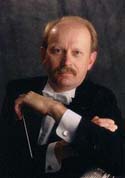
Kenneth L. DeJong, Music Director and Principal Organist, has been at Saint Andrew’s since 1988. Following his undergraduate work and military service, he received a Master’s Degree in Conducting from the University of Washington. He taught for six years at Los Angeles Baptist College before returning to Seattle to pursue a doctorate degree. He has taught at Seattle Pacific University, Trinity Lutheran College, the University of Puget Sound, and the University of Washington.
He served as Music Director at Seattle’s First Presbyterian Church for six years, during which time he founded the Bellevue Chamber Chorus, which he conducted until 1998. He conducts the Lyric Arts Ensemble, sings in Male Ensemble Northwest, and is a frequent adjudicator and clinician. His Saint Andrew’s agenda includes worship hospitality and creativity, participation in vocal and instrumental ensembles by members of Saint Andrew’s, and creation of additional opportunities for growth and enjoyment of the arts in and around the Saint Andrew’s community. He is married to Kelley Mannon and they (with her son Brad) live in Issaquah.
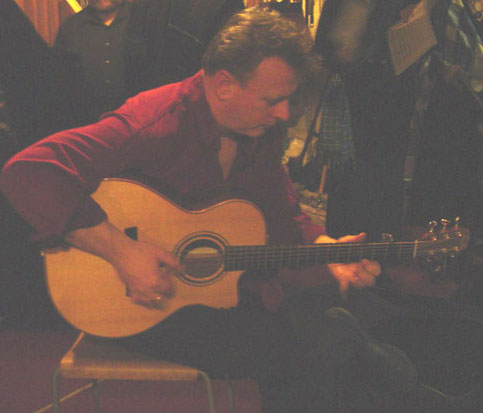
January 2007 I had the pleasure of hearing Tony McManus play guitar at the Robert Burns concert in Mount Vernon, WA. I was directing the Scottish choir in between his guitar presentations.
Tony McManus is not just a performer or musician, he is a divine experience. Let me tell you about it.
He was very unassuming backstage. In fact I didn’t know he was the headline performer. Very quiet and focused. A little light noodling to warm up, but nothing flashy. The kind of playing you’d expect from someone who is bashful to be heard. I had spoken with the sound man before the concert, he was a bit nervous because he hadn’t done sound checks yet with McManus and wasn’t sure what setup the artist would want. (As it turns out, a master artist like McManus already knows what is going to happen and was easily prepared.)
McManus was so low key before his portion that I made the incorrect assumption this was a throwaway gig for him (which it may very well have been, but you would never have known it from his performance). I got a lesson in master artist craftsmanship when he took the stage.
Tony McManus walked slowly onto the stage and started talking in a very low relaxed voice. As if he was playing in your living room. He played with a style that made you think he hadn’t REALLY started playing yet, that he was just THINKING about playing and would get around to it eventually. He introduced his pieces, gave some background on Robert Burns and Auld Lange Syne.
Before you know it, the entire audience was laser-beam focused on him. His playing was so absolutely amazing, I can tell you that women backstage were literally swooning over the beauty of his music. (I am not exaggerating, they were “swooning”, as if they were on the verge of fainting from the overpowering beauty of tone.) To my ears it was like listening to the sound of diamond’s sparkle. I myself managed to restrain myself from visibly swooning.
And there was the lesson. He needed no great trumpet fanfare entrance. He did not need to establish himself as worthy of playing for us. He had no need of ego to show us that what he was doing was difficult. He simply was.
I have heard many world class acoustic guitar players (and politeness makes me withold that list for what comes next), but I have never heard a solo acoustic guitar player that touched my soul as the live playing of Tony McManus. I’d like to say the experience was mine alone, but no doubt it was shared by every single person in attendance that evening.
To find a unique voice on so ubiquitous an instrument as the acoustic guitar is quite an achievement: to do so within a centuries old idiom where the instrument has no real history is truly remarkable. In little over ten years as a professional musician Tony McManus has come to be recognised throughout the world as the leading guitarist in Celtic Music. From early childhood his twin obsessions of traditional music and acoustic guitar have worked together to produce a startlingly original approach to this ancient art. In Tony’s hands the complex ornamentation normally associated with fiddles and pipes are accurately transferred to guitar in a way that preserves the integrity and emotional impact of the music.
I have been emailed a photo of Michael Yaconelli, author of the book “Messy Spirituality”. Apparently this photo was sent to me as a visual comparitive study.
I fail to see any resemblance whatsover between Michael and myself. The photo here of Michael Yaconelli clearly shows a very silly eccentric person, and my photo obviously reflects an upstanding and proper member of society that blends in well with a minimum of social faux pas.
Here’s the visual proof:
Photo of Michael Yaconelli
Might be me in 11/06, on right
Mr. Yaconelli is no longer with us, but I am slowly becoming a fan of his writings.
Fernando Ortega is a contemporary Christian music artist. His current style incorporates his simple clear tenor voice, sparse piano stylings and light string trio. Visit FernandoOrtega.com to hear audio samples, bio info and photos.
A member of the worship team at my church told me about him. His music is incredibly beautiful. The first amazing impression of his current worship music is how simple it is. I have recorded several piano arrangements over the years that are almost note for the note the same as his, but that’s where I stopped. He continues to mix in his beautiful voice (also with very simple styling) in such a manner that is difficult to describe.
I’m humbled by the simplicity of his work and how it speaks to so many people. There is a kindness and openness in his lyrics, an honesty that is very refreshing and needed in contemporary Christian music. I started incorporating some elements of his style into our worship service and received good response to it.
My words will not do it justice. Visit his website and experience it for yourself.
Fernando Ortega is an adult contemporary singer-songwriter in contemporary Christian music. He is noted for his interpretations of traditional hymns and songs, such as “Give Me Jesus”, “Be Thou My Vision”, and many others, but also for writing clear and accessible songs, such as “This Good Day”.
Fernando Ortega Interview Excerpt from: www.songs4worship.com/article.asp?ai=374 S4W.com: What has been one of the most profound lessons you’ve learned over the last few years?
Ortega: It’s probably something that everybody in the world already knows or has realized. It has to do with prayer, namely the idea that quite often prayer does not change circumstances, but is really a way of recognizing the notion that God is with us. That ends up being the comfort, and to me that’s been a profound thing to learn. I’ve gotten a better sense that God is with me.