Check out the Online Pitch and Hearing Test by Jake Mandell. It’s fun and very difficult. Over 15,000 have taken the test online, so you can see how your ears fair against other people.
No, I’m not going to post my score – because like most other people I’m embarrassed by my score. In order to retain my musical dignity I need to point out the obvious – that the tones used in this test are not timbres and patches normally encountered in music production or performance.
.
ABOUT JAKE MANDELL AND THE TEST
While working at the music and neuroimaging lab at Beth Israel/Harvard Medical School in Boston, I developed a quick online way to screen for the tonedeafness. It actually turned out to be a pretty good test to check for overall pitch perception ability. The test is purposefully made very hard, so excellent musicians rarely score above 80% correct. Give it a try!
In our research, we were looking for neuro-anatomical correlates of tonedeafness (called “congenital amusia” in the scientific literature. We gave several dozen subjects a high-resolution MRI scan and used a statistical package to analyze the images. This technique, called VBM (voxel-based morphometry), has been used to study the changes in the brain caused by Alzheimer disease and many other neurological conditions. The test you are about to take was used as a screening test to roughly characterize patient’s pitch discrimination and musical memory abilities. Even though musical memory is strongly tested here, we have found that people who are tonedeaf tend to have normal musical memories.
ABOUT JAKE MANDELL
I am currently a medical student at UMass. I have a musical background, having composed several electronic music albums under my own name. I formerly worked in Berlin, Germany, for Native Instruments, and was involved with the Reaktor and Absynth instruments. On the medical side of things, I am interested in using radiological technologies, such as anatomical and functional MRI, to investigate musical perception.
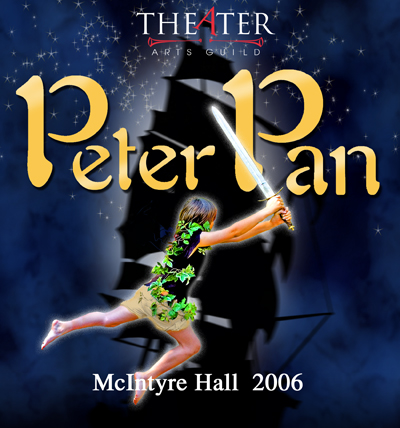
Peter Pan opens at McIntyre Hall (Mount Vernon, WA) on November 17, 2006 for a two week run. More info at the Theater Arts Guild website. Peter Pan will fly and battle Captain Hook!
Tickets: 360-416-7727 www.mcintyrehall.org
Friday Nov 17 7:30 pm
Saturday – $10 bargain show* Nov 18 2:00 pm
Saturday Nov 18 7:30 pm
Sunday Nov 19 2:00 pm
Wednesday – $10 bargain show* Nov 22 7:30 pm
Friday Nov 24 2:00 pm
Friday Nov 24 7:30 pm
Saturday Nov 25 2:00 pm
Saturday Nov 25 7:30 pm
Sunday Nov 26 2:00 pm
*Important Bargain Show Limitations: Festival Seating. No Advance Sale. Tickets are sold at the box office ONLY, 2 hours prior to show time.
Road Records is back open again after a very long hiatus. The gear was brought up from California back in August and it’s all setup, but I kind of kept it a secret because I was enjoying working on my own projects. I’ve signed contracts on the first Road Records album to be produced iup here in Washington, so I guess it’s officially open now. Visit the Road Records recording studio website.
I won’t be advertising, will just be word of mouth. I’m happy to work on any original music, corporate soundtracks, film scores, remixes – basically anything that’s original and creative. No demos, karaoke, duplication or cheezy things of that sort this time around. Just serious original music.
The studio is set up very well for doing complete orchestral soundtracks and hip hop music. The work that I’m REALLY into is working with solo artists and songwriters on CD projects, doing soundtracks for video and film, sound effects and specialized foley for theatre, and working on new music works for church and theatre.
Many artists contact me to help with promotion, but that’s not my thing. I’m into audio production.
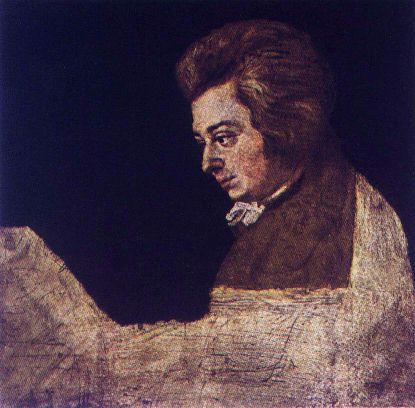
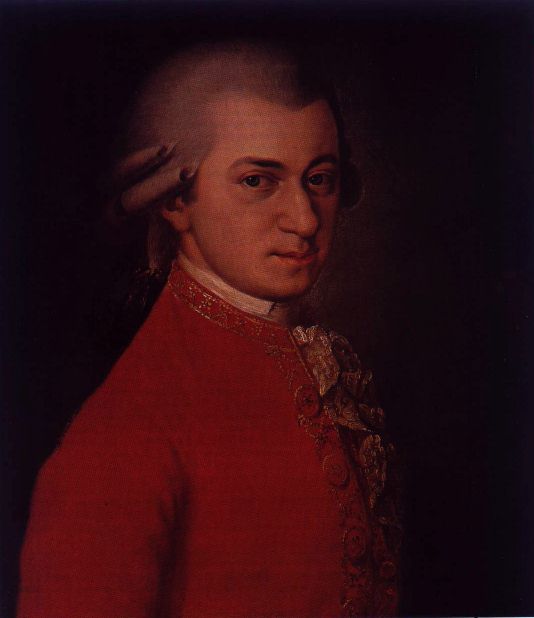
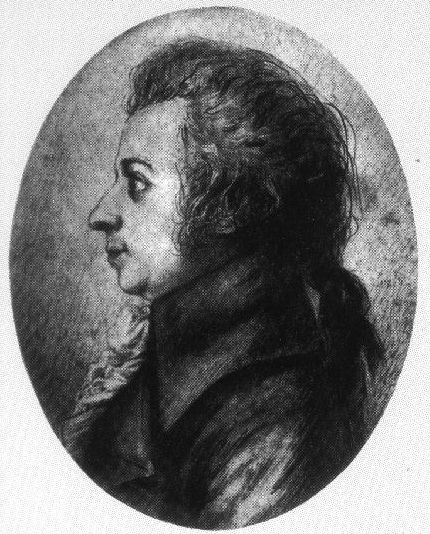
Ave Verum Corpus by W.A. Mozart – MP3 Sample, Free Sheet Music Download and History. Motet in D, “Ave verum Corpus” (K. 618) – Composed in June 1791 by W.A. Mozart. He would die on December 5, 1791.
While working on this post I have listened to Mozart’s Ave Verum Corpus about a dozen times. I have heard this piece hundreds of times in my life, and each time it becomes a little more beautiful to me. It is my absolute most favorite piece ever written. If I could only listen to one musical work for the rest of my life, this would be it (and I would have few complaints about that!).
httpv://www.youtube.com/watch?v=6TfAyX8l5-g
Enjoy the free sheet music download of Ave Verum Corpus. It also includes the middle two bar interlude which to my ears is correct (some editions only have a bass continuo line).
I sang this piece as a boy soprano with the Northwest Boychoir in Seattle, WA. This Sunday I am leading our church choir in Ave Verum Corpus for our service. At our rehearsal tonight (somewhere in the Bible it must be written that church choir rehearsals have to be on Wednesday nights!) the choir was so absolutely beautiful in their final run through I was nearly brought to tears. I would not let them sing anything after that – why? There is nowhere to go after hearing Ave Verum Corpus sung well. It is THAT powerful.
At a glance I can see the theory of the piece easy enough – but when coupled with a reverence for the text; I know of no piece more powerful than this. To say “his side was pierced and out flowed blood and water” in one line, and a few paces later to say “to give us a foretaste of death”, or more properly “to give us an examination of the death experience” – AND THEN to know that WA Mozart wrote this piece within six months of his own death. Let this settle on you for a bit.
When all things are stripped away and we are at our core, we have the beauty of our relationships and the base denial and unbelief of our own eventual death. Which of us can truly accept and admit our own pending death? Not in passing, but to absorb that thought. I actually think it is beyond the scope of our imagination. But we have a composer like WA Mozart who can create a piece so powerful and solemn that we are humbled to our knees to accept the fact – and perhaps to bend our thoughts to the sublime mystery of Christ’s crucifixion.
Working with our choir has given me a rebirthed passion for this piece. In rehearsal we are able to think about the slow passing of each line of text, and how we want to express each syllable, word and phrase. It is how I think a sculpture must feel – slowly chipping away til the art takes form.
And as our church choir works on each minute detail to make this piece our best, as countless choirs have also done on this piece for two centuries; I start to smile as I realize this is our worship, the musician’s time to worship, the way we relate to the mystery of the Trinity and our mortal coil – our worship takes place between the notes as we practice and work. It is delicate as a flower.
HISTORY OF AVE VERUM CORPUS Ave verum corpus is a short Eucharistic hymn dating from the 14th century and attributed to Pope Innocent VI (d. 1362), which has been set to music by various composers. During the Middle Ages it was sung at the elevation of the host during the consecration. It was also used frequently during Benediction of the Blessed Sacrament.
The hymn’s title means “Hail, true body”, and is based on a poem deriving from a 14th-century manuscript from the Abbey of Reichenau, Lake Constance. The poem is a meditation on the Catholic belief in Jesus’s Real Presence in the sacrament of the Eucharist, and ties it to Catholic ideas on the redemptive meaning of suffering in the life of all believers.
AVE VERUM CORPUS by W.A. MOZART In April of 1791, Leopold Hofmann, who was Kapellmeister at St. Stephen’s Cathedral in Vienna, fell gravely ill. Mozart, who had never been an avid composer of sacred music, nonetheless saw an opportunity to enhance his income, and maneuvered to succeed Hofmann. Towards this end, he turned his attentions again to sacred music, culminating ultimately with his Requiem. (As it happens, Hofmann survived Mozart, and died in 1793.)
Mozart set the Eucharistic hymn Ave verum corpus in June 1791. This setting was dedicated to his friend, Anton Stoll, who was chorus master of the parish church in Baden, and it was first performed in Baden at the Feast of Corpus Christi.
It is possible that Mozart set this hymn, mindful of the Imperial ban on elaborate concerted music, or it is possible that he was working with the limitations of Stoll’s choir. One way or another, his setting is remarkable for its compact simplicity. There are a mere forty-six bars of music, with orchestral writing that serves to provide introduction, transition, and ending, and double the choral parts. The choral setting is simplicity itself, with the choir mostly singing the same text at the same time. This direct approach would suited a reform-minded Austria where textual clarity and brevity were all-important in church music.
Mozart’s setting is far from pedestrian or undistinguished. (It actually isn’t even complete; the text below includes the last two verses, which Mozart omitted from his setting.) There is an unusual modulation from D major to F major at the text, “whose side was pierced, whence flowed water and blood,”, and the simplicity is the sort that Artur Schnabel famously described as too simple for children and too difficult for adults (after all, simple music like this exposes any lapses of rhythm, intonation, or ensemble). And the music seems to encompass a universe of feeling in forty-six short bars.
Ave Verum Corpus – W.A. Mozart
Latin Text and English Translation
Ave / verum / Corpus, natum / de / Maria / Virgine:
Hail / true / Body / born / of / Mary / Virgin,
Vere / passum, / immolatum / in / cruce / pro / homine:
truly / suffered / was sacrificed / on / cross / for / mankind
Cujus / latus / perforatum, / unda / fluxit / et / sanguine:
Whose / side / was pierced / from where or water / flowed / and / blood
Esto / nobis / praegustatum / in / mortis / examine.
Be / for us / foretaste / in / of death / testing
PARAPHRASED ENGLISH TRANSLATION
Hail, true Body, born of the Virgin Mary,
who has truly suffered, and was sacrificed on the cross for mankind,
whose side was pierced, whence flowed water and blood,
Be for us a foretaste of heaven, during our final trial.
SINGING IN LATIN VS. ENGLISH
Latin and English are very different languages. Latin has fewer words which are often longer, due to the varied endings. Because the part that the word plays depends on its ending rather than its position in the sentence, word order is flexible. The poetry of Latin derives from the position and the rhythm of the words. For example, “Stabat mater dolorosa” and “Mater dolorosa stabat” both mean “the sorrowful mother was standing”, but the former emphases the standing because that word comes first. In English there is a greater choice of words but their order is fixed within the sentence, and the poetry derives more from the choice and rhyme of words.
Latin anthems are printed with an alternative English translation below the Latin words, with the same number of syllables and often in rhyming couplets. Unfortunately the English words cannot correspond exactly to their equivalent in Latin. When composers set Latin texts to music they emphasize crucial words or phrases, by repeating them, having suspensions, changing the harmony, or other musical devices. When sung in English, these devices often emphasize the wrong words and so the musical sense is lost. Moreover, because of trying to shoehorn the Latin into foursquare rhyming couplets, the effect in English often borders on doggerel. At St Peter’s, when the choir sings the anthem in Latin we have tended to print this English verse in the service sheet rather than the Latin text.
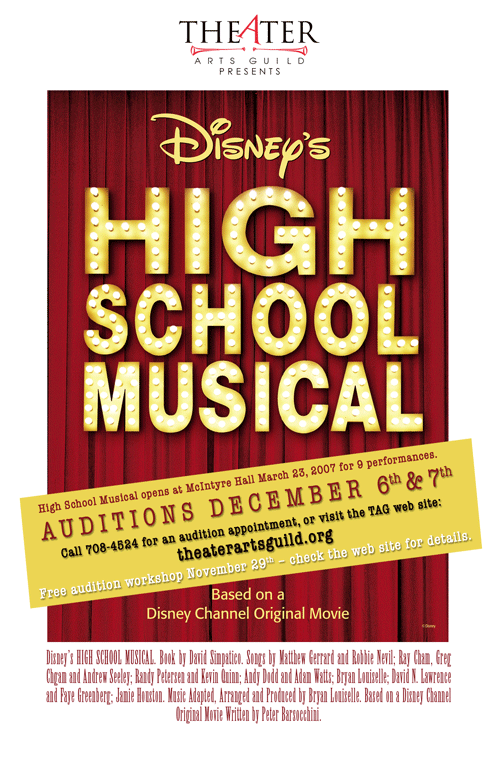
Audition Times, Free Audition Workshop and HSM Audition Tips.
Theater Arts Guild (T.A.G.) is having open auditions for Disney’s High School Musical on December 6 and 7 2006. For direct info and to schedule an audition time visit the Theater Arts Guild Website.
Auditions Tuesday, December 6th at 4, 5, 6:30, or 7:30 pm Wednesday, December 7th at 4, 5, 6:30, or 7:30 pm at the TAG rehearsal hall at 121 South 12th Street, a half block south of Division Street in Mount Vernon.
Directed by Scott McDade. Choroeography by Donna Carroll. Music Direction by Conrad Askland
AUDITION WORKSHOP
A free audition workshop will be held November 29th, 6:30 to 8:30 pm. at the TAG rehearsal hall at 121 South 12th Street, a half block south of Division Street in Mount Vernon.
Although the workshop is open to anyone who wants to sharpen their audition skills, it’s designed especially for people who have never auditioned before. Bring your audition song (with a tape, CD, or sheet music) and your dramatic reading – and get ready to have fun exploring how far you can take your performance!
Space is limited. Visit the TAG Website to register.
NOTES AND TIPS FROM CONRAD
This is a hip hop / pop musical. Check out the video, it’s been a hit on Disney. The plot is fun with lots and lots of roles for many people, not just a couple of leads. We will have a tight hip hop crew for our live band and it will probably drive a lot harder than the movie version. This unique musical has room for basketball players, urban style dancers and DJ’s in the pit.
KNOW WHAT PART YOU ARE AUDITIONING FOR – If you are auditioning for Sharpay or Evan, you might want to try traditional musical theatre pieces – upbeat pieces ala “Copacabana”. For Sharpay or Evan, strong dance skills are essential – and we’d like to see you dance and sing at the same time. If you are auditioning for Troy or Gabriella, do a modern hip hop/pop piece. Especially for Troy’s role we’ll want to hear some soul and hip hop inflections. Don’t know what role you’re going for? Then do a SHORT bit of each type of music.
We may be looking for some specific elements including:
1) Male and Female lead that can sing pop/hip hop with effortless ease, appearing as “natural” untrained talent.
2) Male and Female lead that are hyper-trained in voice and dance. They are slick with over the top synchronized talent.
3) BASKETBALL PLAYERS – Males that are wizards with a basketball and can shoot hoops well.
4) Shy, smart, sensitive actor that can play easy piano. (At the level of “Let It Be” by the Beatles). Singing not imperative for this role.
5) PIT BAND – Contact Conrad Askland here on this website (click “Home”, then click “Contact” link on right). We are going to rock the house. I need a DJ that can scratch records live and a tight hip hop crew to work with audio samples. I also need some percussionists (already have bass/drumkit) and two versatile, grooving guitar players that can read charts.
6) HIGH SCHOOL MUSICIANS – Want to get your school involved? We can use a small marching band and also a drum line.
7) LOTS of roles for male hip hop dancers/basketball athletes that can sing. Also lots of female supporting roles with some singing. IF YOU SING STRONG HIP HOP, I strongly encourage you to audition.
MAIN CHARACTERS
Troy Bolton
Troy Bolton (Zac Efron) is one of the protagonists in the movie, the basketball team captain. He has a great voice that he first discovered in the beginning of the movie when he was singing karaoke with Gabriella Montez at a New Years Eve party. Troy has to face his friends with his new passion for singing and face his father, who is also his basketball coach. He comes to realize that he has strong feelings for Gabriella and also manages to both play in the basketball team and sing in the callbacks for the school musical with Gabriella. He is friends with Chad Danforth and the team.
Gabriella Montez
Gabriella Montez (Vanessa Anne Hudgens) is the shy and brainy new student at East High. She originally meets Troy Bolton at a Ski Lodge on New Years Eve. It is there she realizes her love for singing, previously only being “The Freaky Math Girl”. She had previously been in church choir, but when singing solo, she, quote “looked at all the people staring at me and next thing I knew I was looking at the ceiling. End of solo career.” Sharpay and Ryan find out that she has won numerous Scholastic Competitions and try to get her to join the Scholastic Decathlon by showing an article to Taylor, the leader of the scholastic decatholon team, because they are afraid that she wants to try out for the musical. She and Troy, against all odds, audition for the Winter musical and win the roles that they auditioned for. She comes to realize that she has strong feelings for Troy and also manages to both do the scholastic decathalon and sing in the callbacks for the school musical with Troy.
Sharpay Evans
Sharpay Evans (Ashley Tisdale) is the antagonist of the story who is shown as an arrogant, domineering, and overall brattish person. She had always had the lead role in musicals since kindergarten, and is very mean to Kelsi, the composer, saying that Kelsi’s compositions are nothing without her and her brother. Sharpay is the more cunning of the Evans twins, and doesn’t treat her brother Ryan very well. Sharpay changes the callbacks date to prevent Troy and Gabriella from getting the roles, but it doesn’t work out. However, at the end of the show, she has a change of heart and wishes Gabriella luck. Also, she initially rejects Zeke, but after tasting his cookies, she falls for him and is seen hugging him in the end.
Ryan Evans
Ryan Evans (Lucas Grabeel) is Sharpay’s brother and acting partner. They’ve starred in 17 school musicals together. Ryan isn’t the sharpest tool in the shed, as shown by his inability to read a sign the Basketball team made out of letters on their shirts which read “Go Drama Club!”. He doesn’t have any friends besides Sharpay so he usually follows her around. Ryan is the nicer of the two twins. He sings both ‘What I’ve Been Looking For’ and ‘Bop to the Top’ with Sharpay and also has a small solo in ‘We’re All in This Together.’
Taylor McKessie
Taylor McKessie (Monique Coleman) is the leader of the school scholarly/science club, which competes in the scholastic decathalon. She befriends Gabriella when she came to the school and, by means both foul and fair, convinces her to join the scholastic club. While she at first tried to stop Gabriella from singing, she eventually ended up supporting her.
Chad Danforth
Chad Danforth (Corbin Bleu) is a member of the Wildcats team. He seems to be extremely devoted to basketball. From the start he’s a little selfish and unsupportive of Troy’s auditioning for the musical. He thinks that the musical isn’t for basketball players. However, he realizes later that singing is something that Troy truly enjoys and so Chad gives his support to his best friend’s audition endeavor. He also falls for Gabriella’s best friend Taylor McKessie.
Minor characters
Ms. Darbus
Ms. Darbus (Alyson Reed) is the harsh drama teacher at East High. Her nemesis is Coach Bolton (Troy’s father), and she will only ease up on talented singers. She likes to pronounce ‘musical’ with a flourish, using a French accent.
Coach Jack Bolton
Coach Jack Bolton (Bart Johnson) is the Wildcats’ coach and Troy’s dad. He is a former champion Wildcat player, and, like everyone else, expects the same thing of his son. His nemesis is Ms. Darbus, who puts two of his players in detention on a basketball practice day.
Kelsi Nielsen
Kelsi “Playmaker” Nielsen (Olesya Rulin) who receives her nickname from Troy, and also “Small Person” from Chad, is the composer of the Twinkle Town musical, which includes the songs “What I’ve Been Looking For” and “Breaking Free”. Kelsi is not the most confident person as noted by her reaction to Sharpay’s comment that Kelsi’s knowledge about musicals is not very large, however she gains confidence throughout the film and at the end of the movie, ends up standing up for herself.
Jason (Ryne Sanborn) is also a player in the Wildcats team and eventual love interest for Kelsi Neilsen. It is shown in the finale that Jason takes off Kelsi’s hat, revealing her wavy brown hair and helps her shoot the game ball.
Martha Cox
Martha (Kaycee Stroh) has a solo in “Stick To The Status Quo” confessing that she thinks Hip-hop is cooler than homework. She is the only girl other than Sharpay who appears in the finale. She also appears in a few scenes with the scholastic decathlon team.
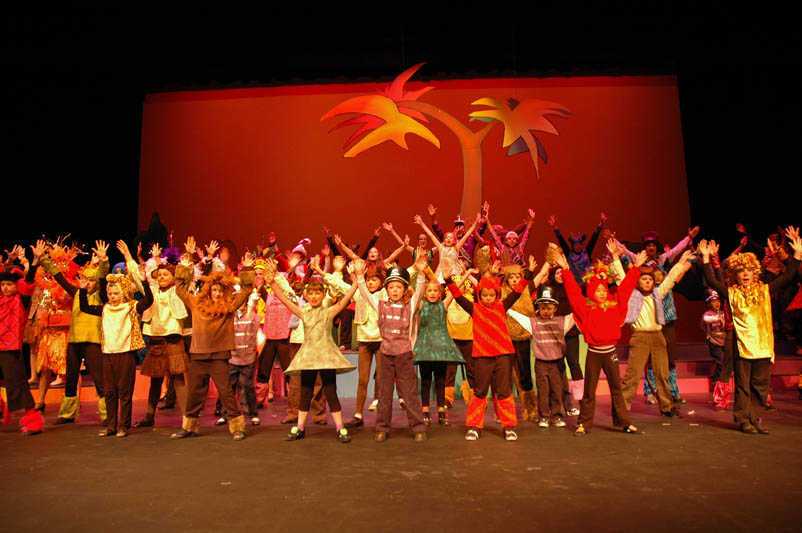
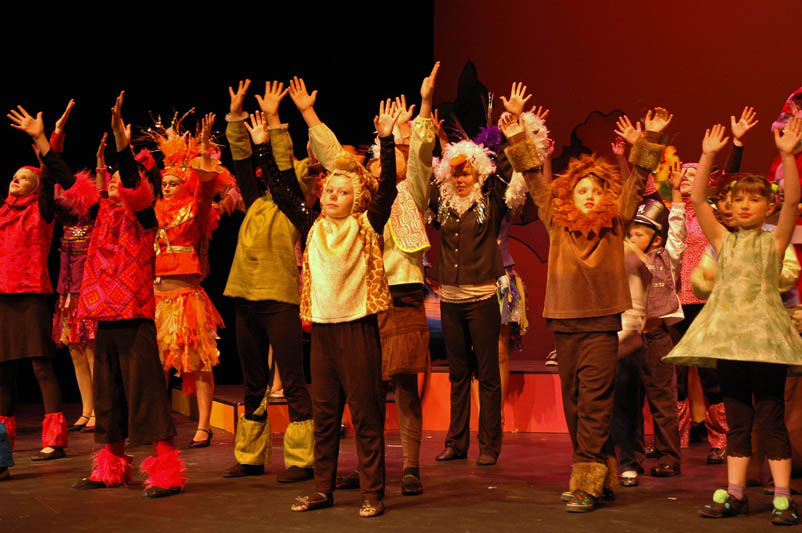
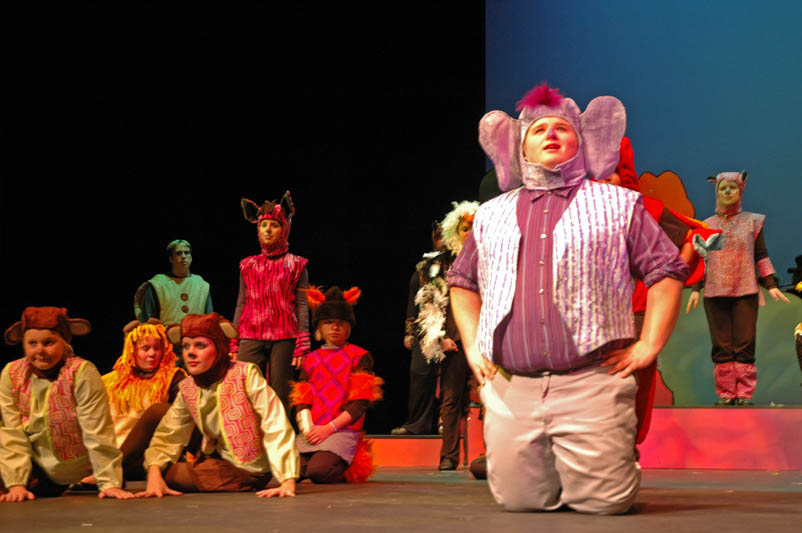
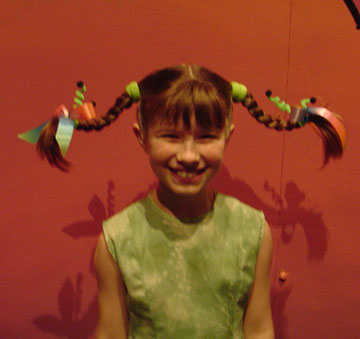
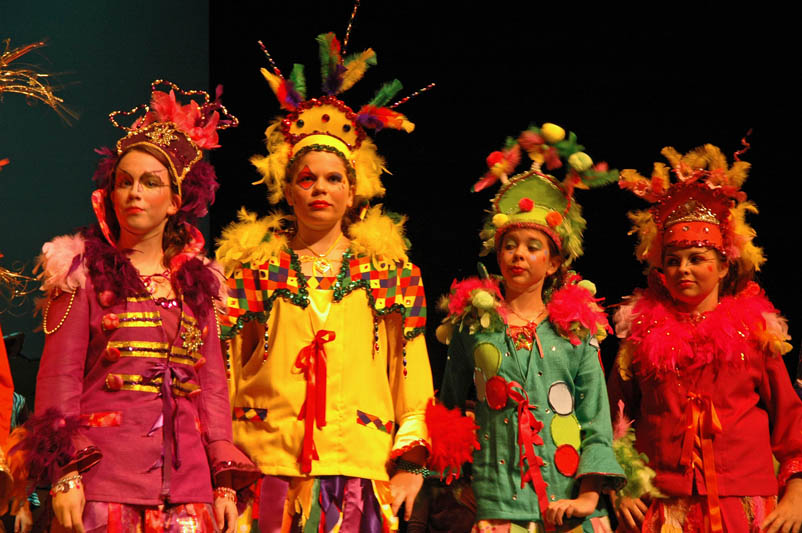
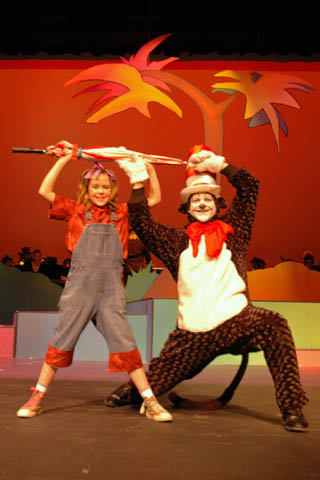
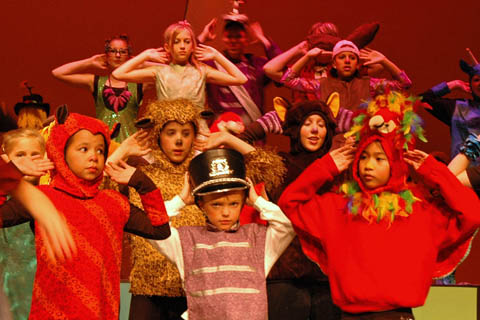
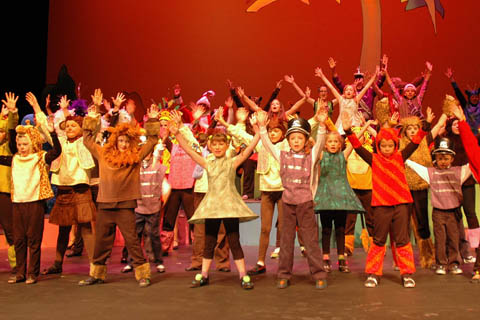
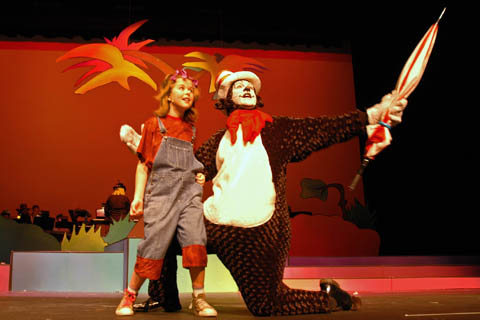
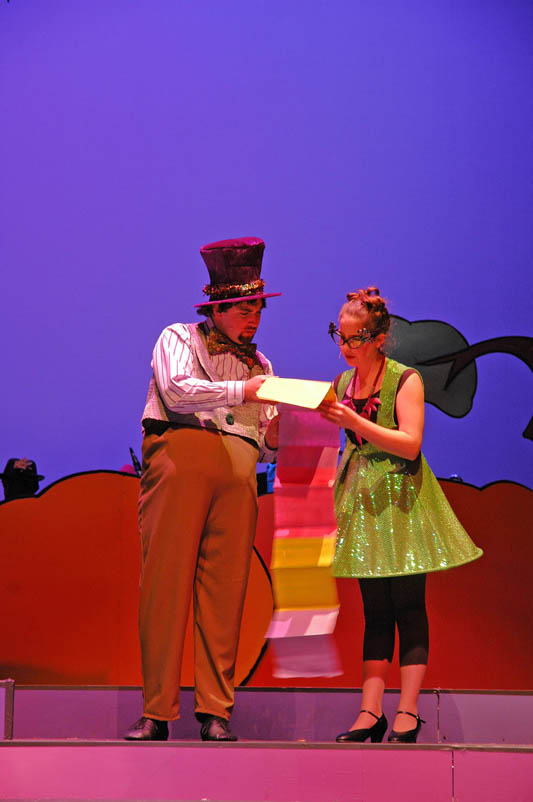
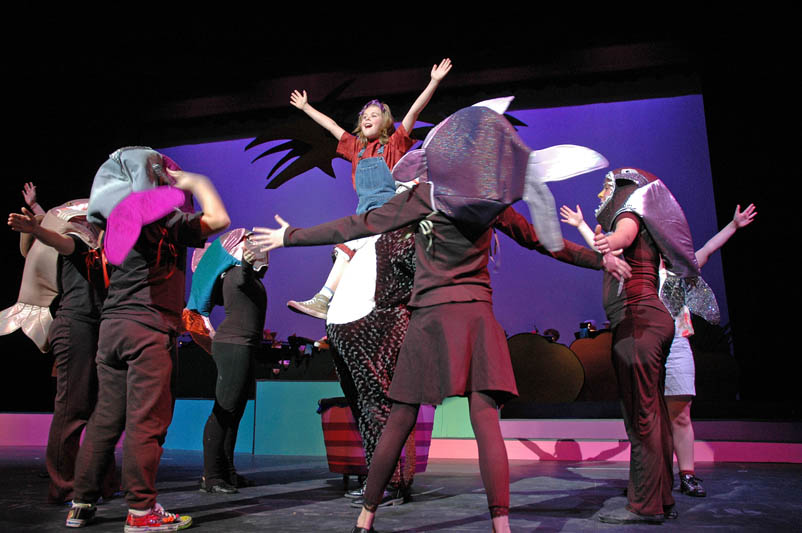
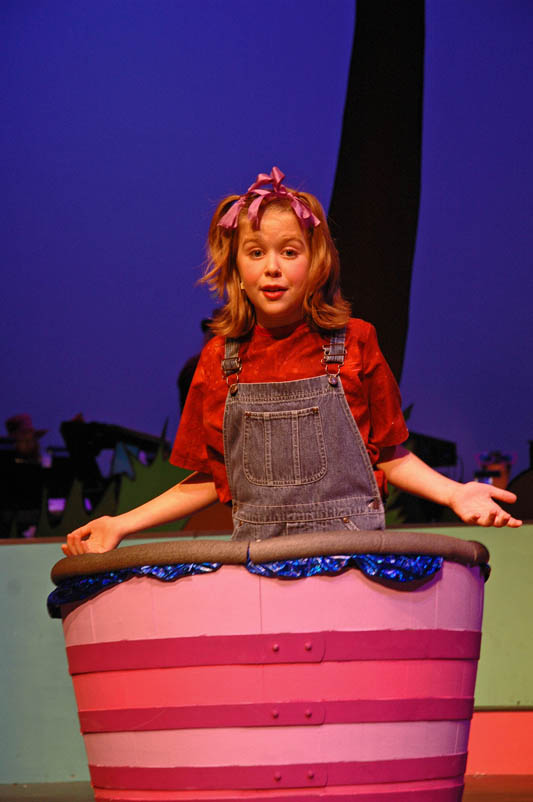
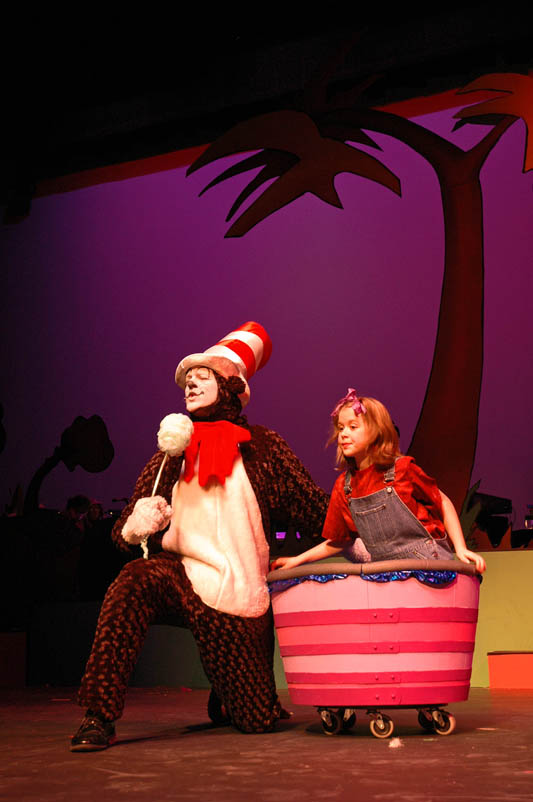
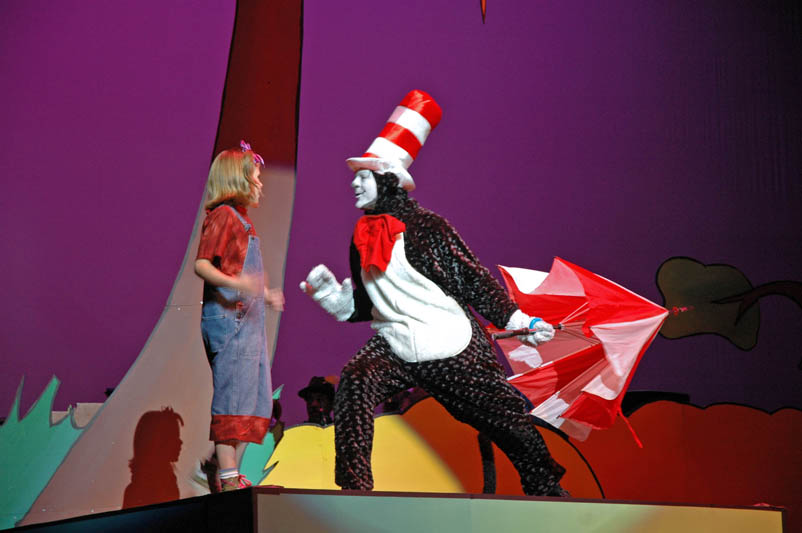
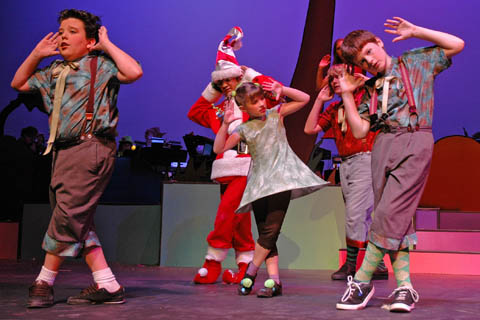
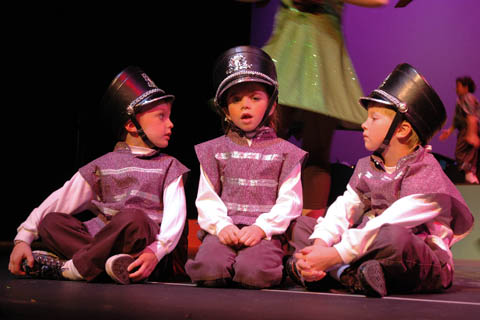
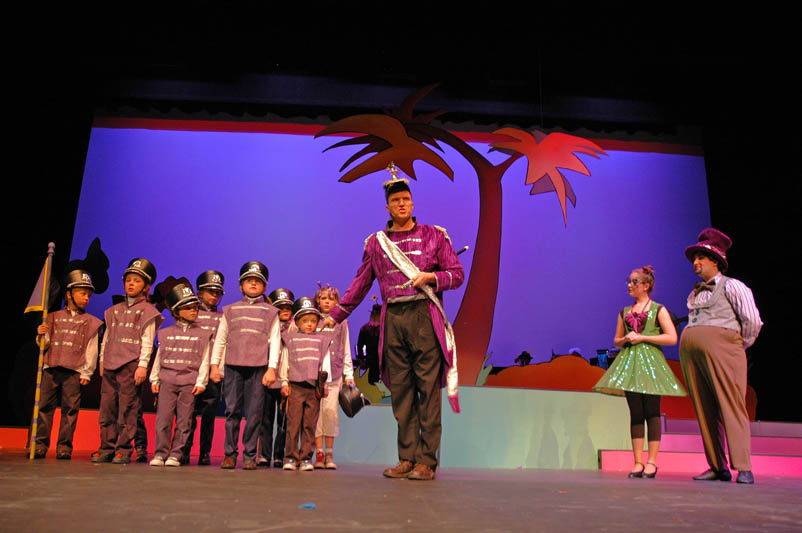
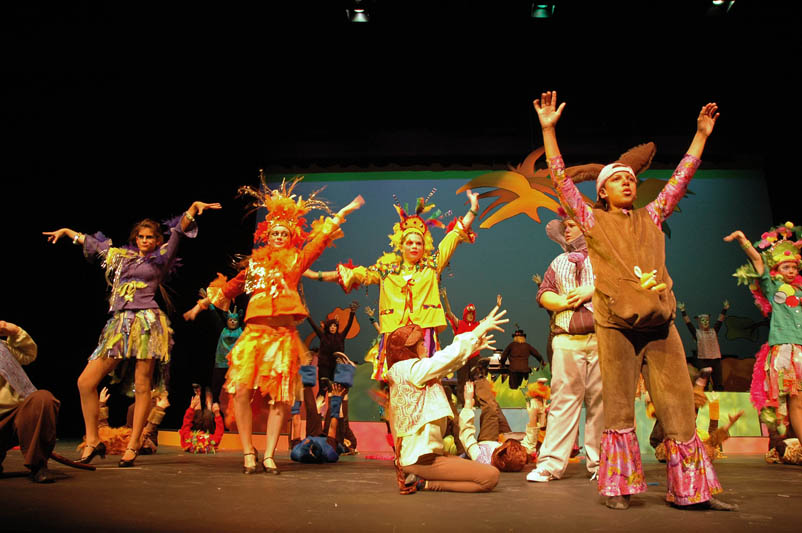
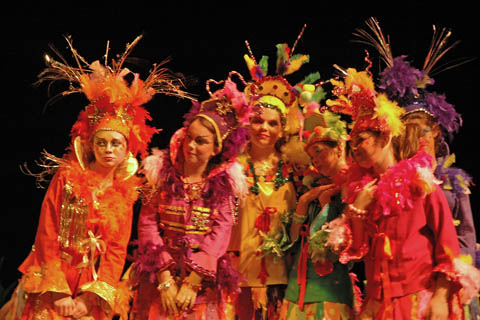
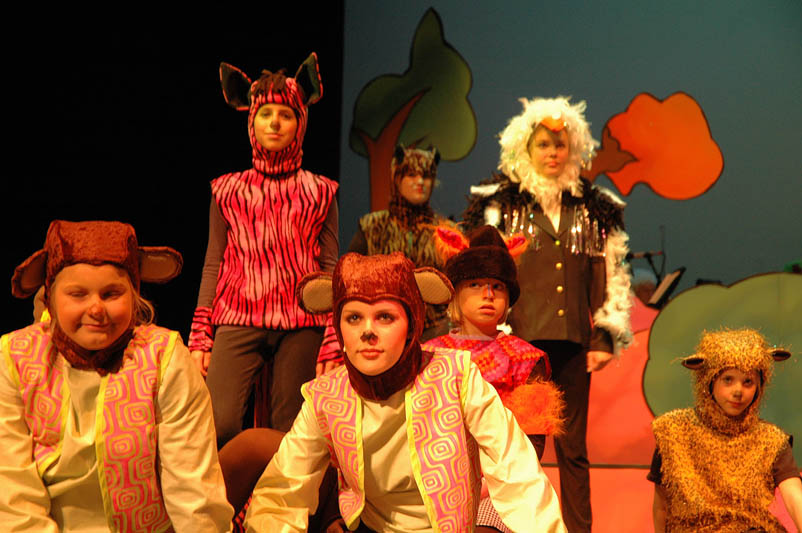
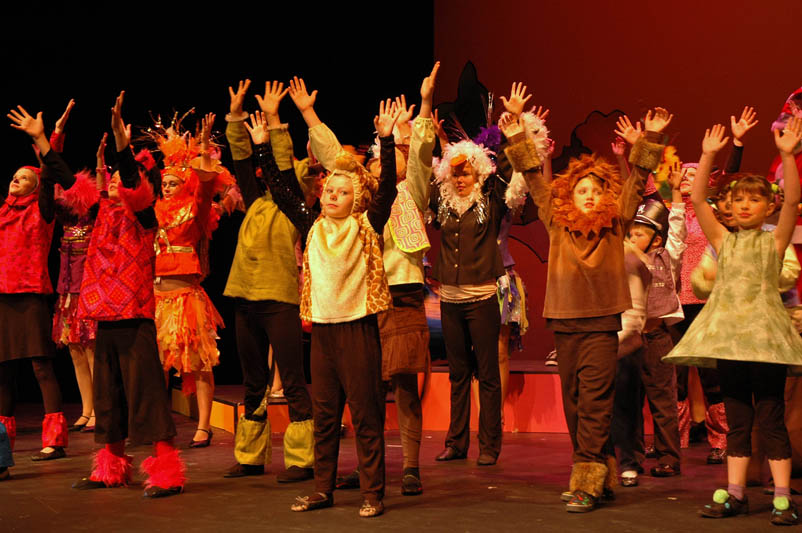
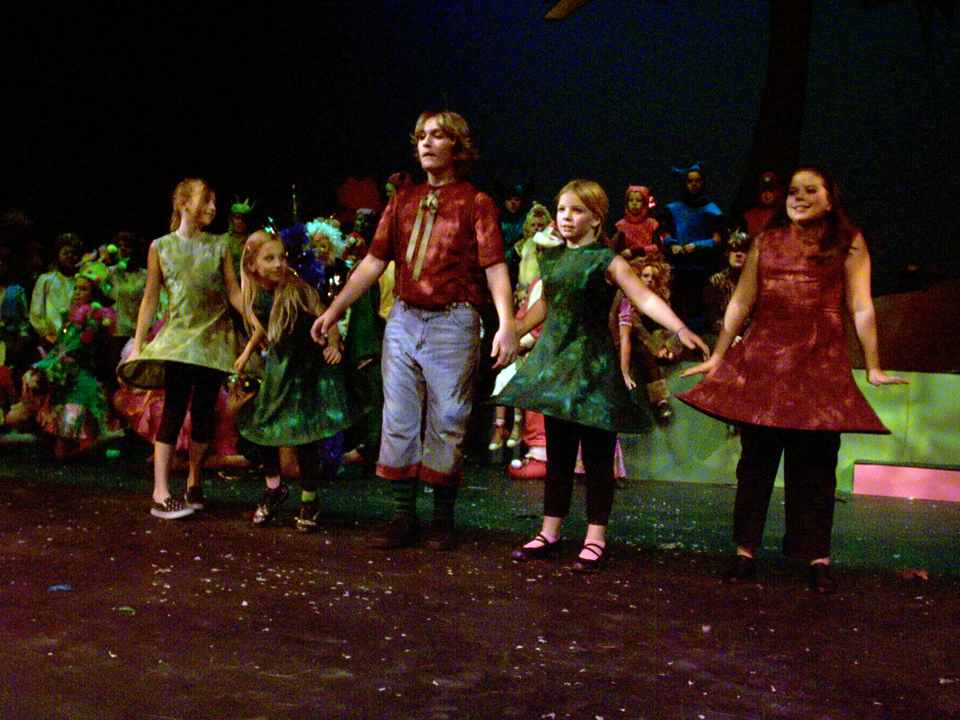
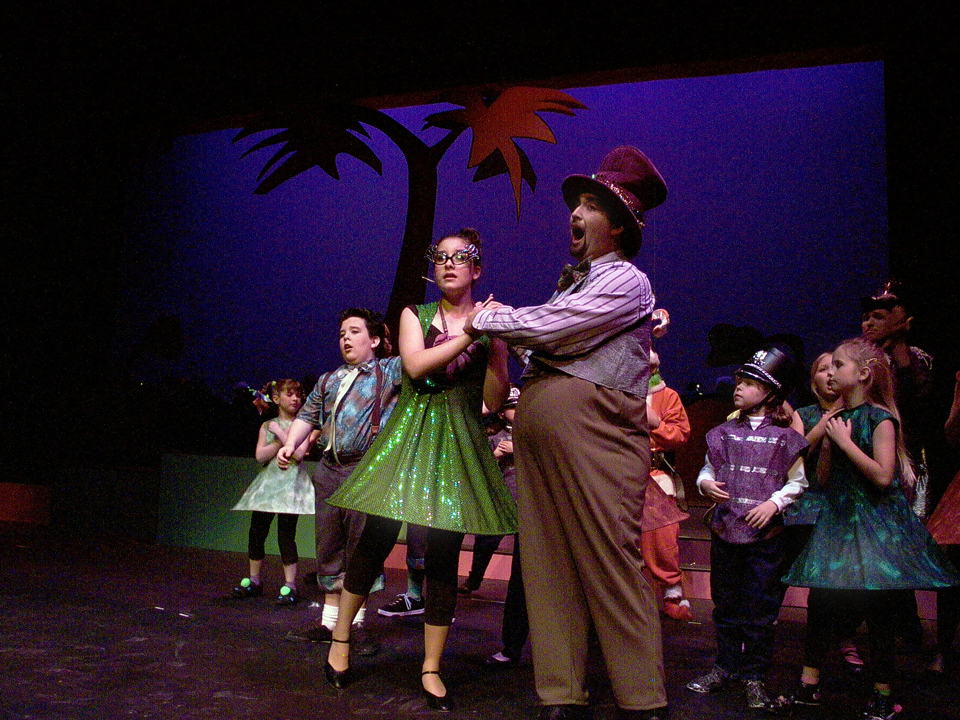
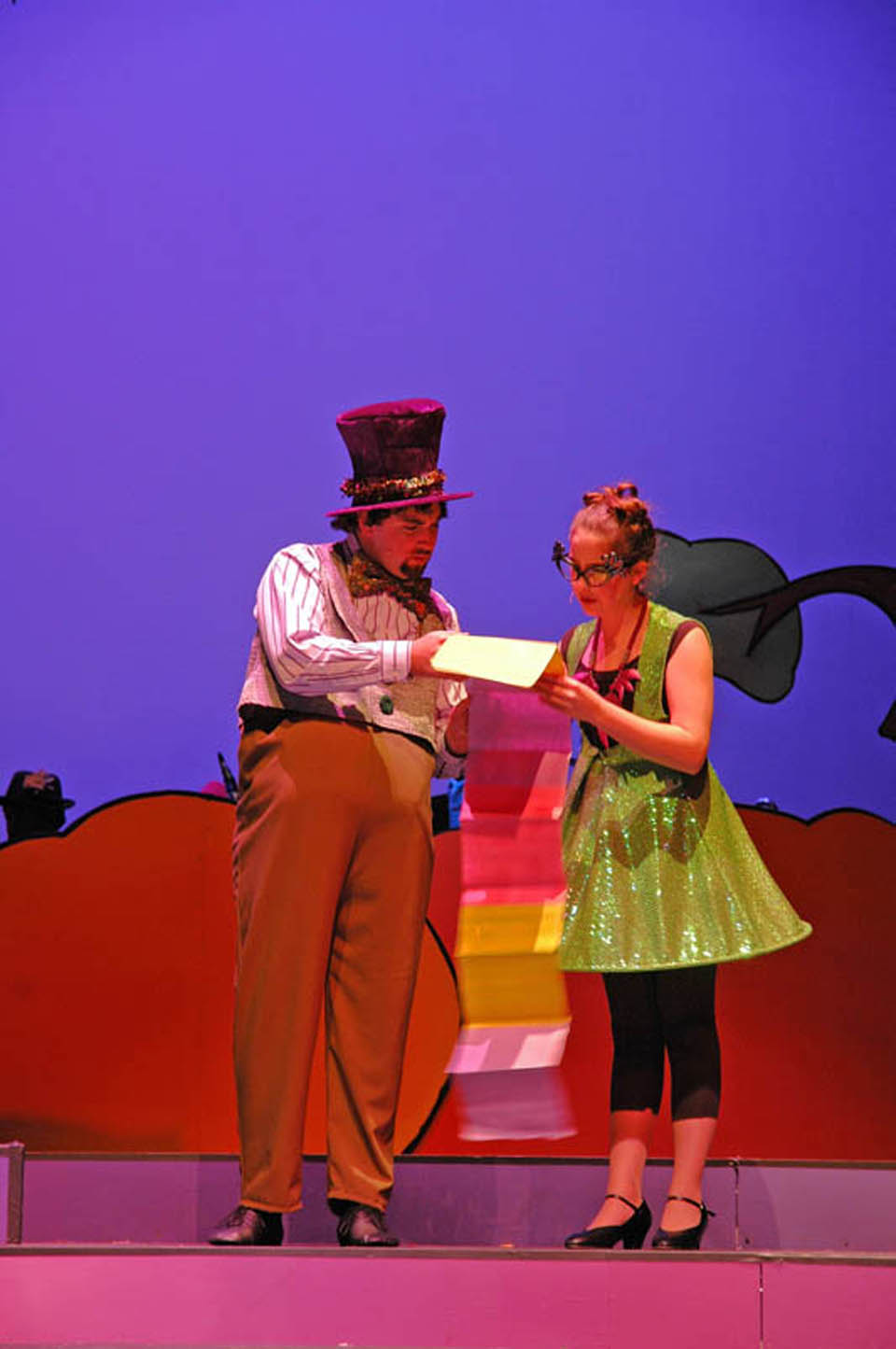
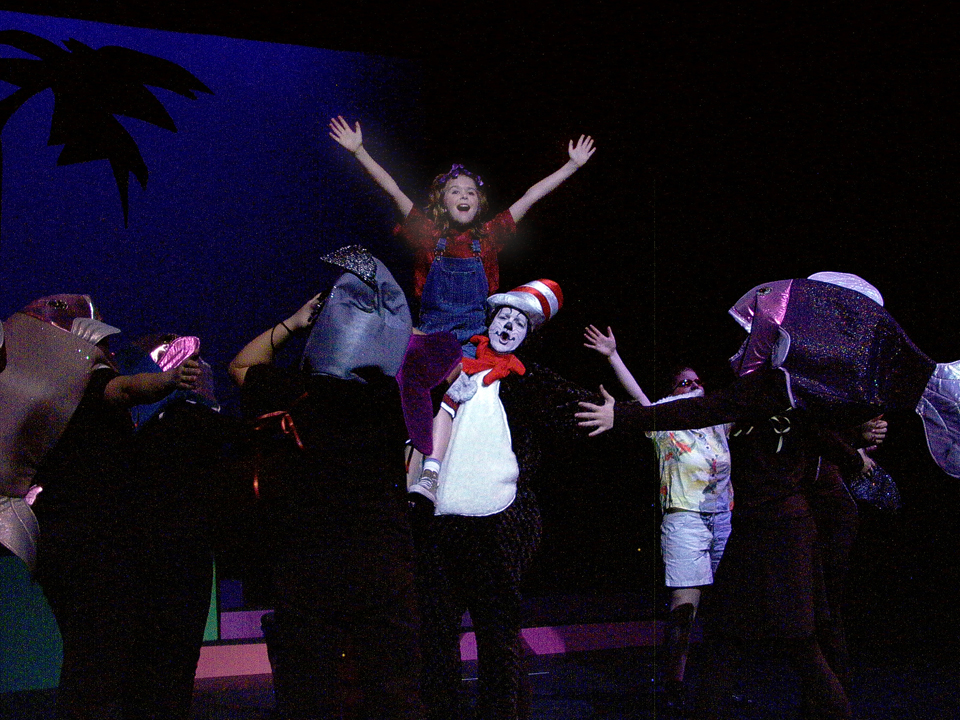
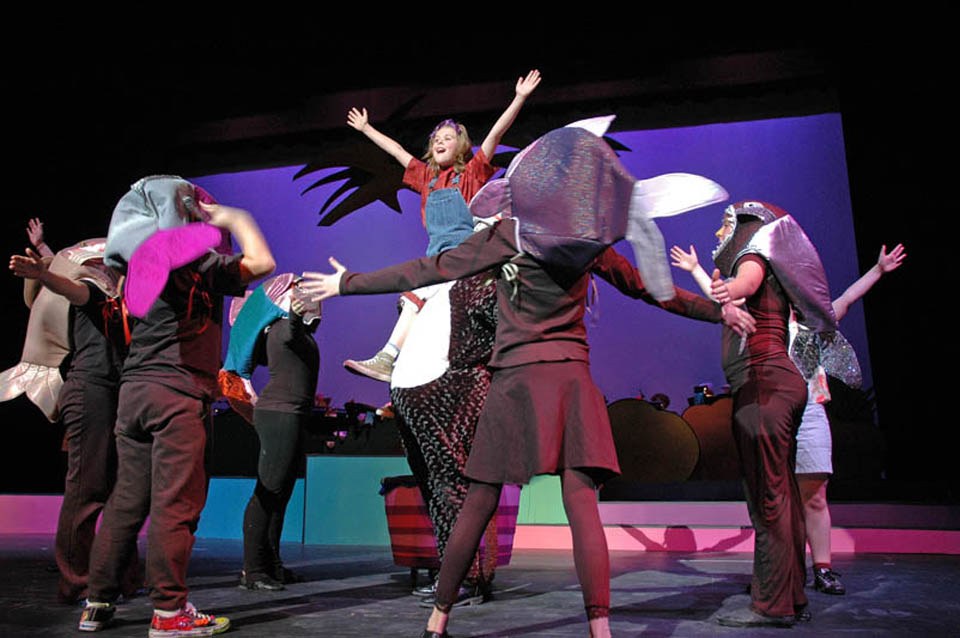
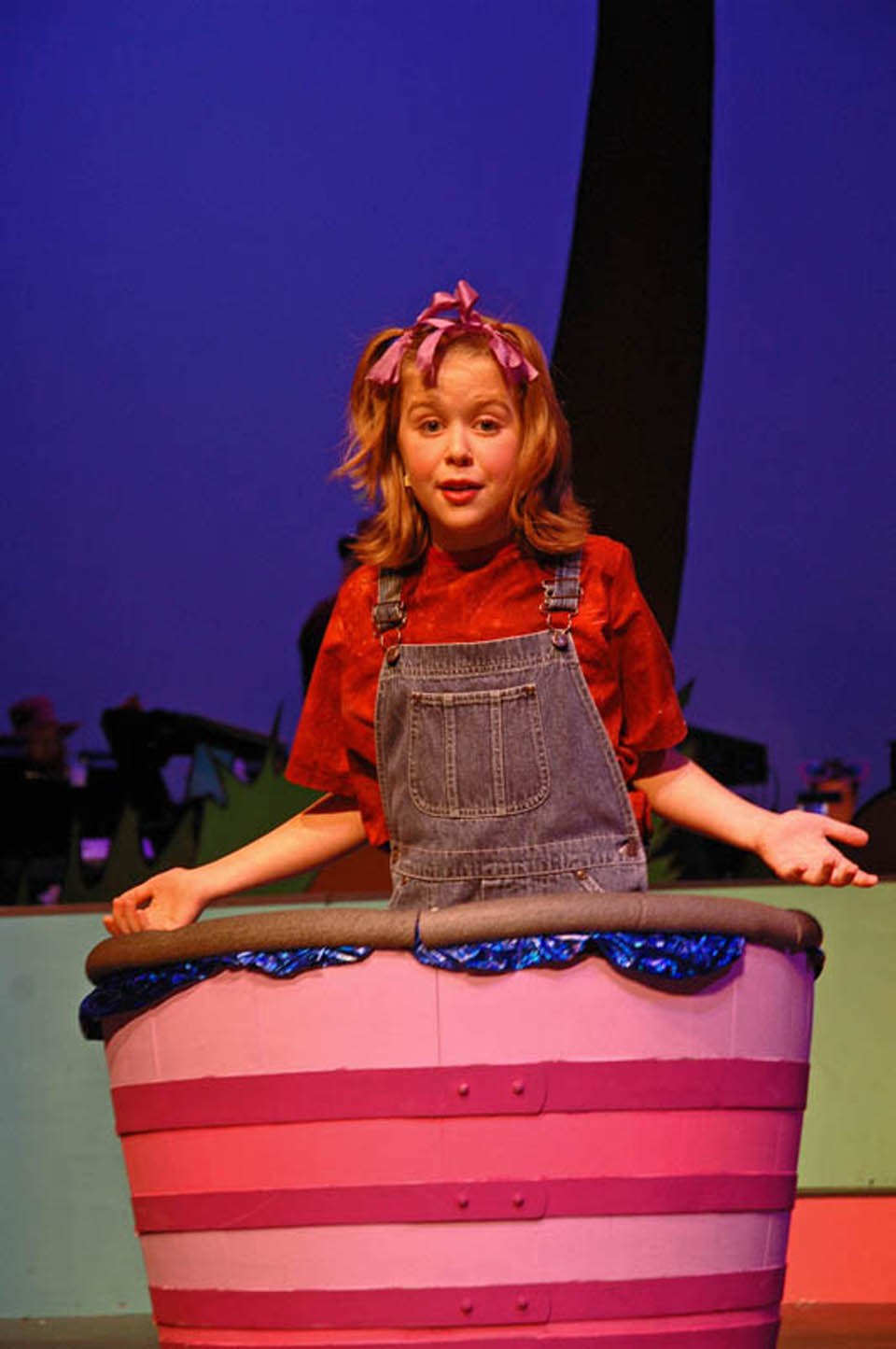
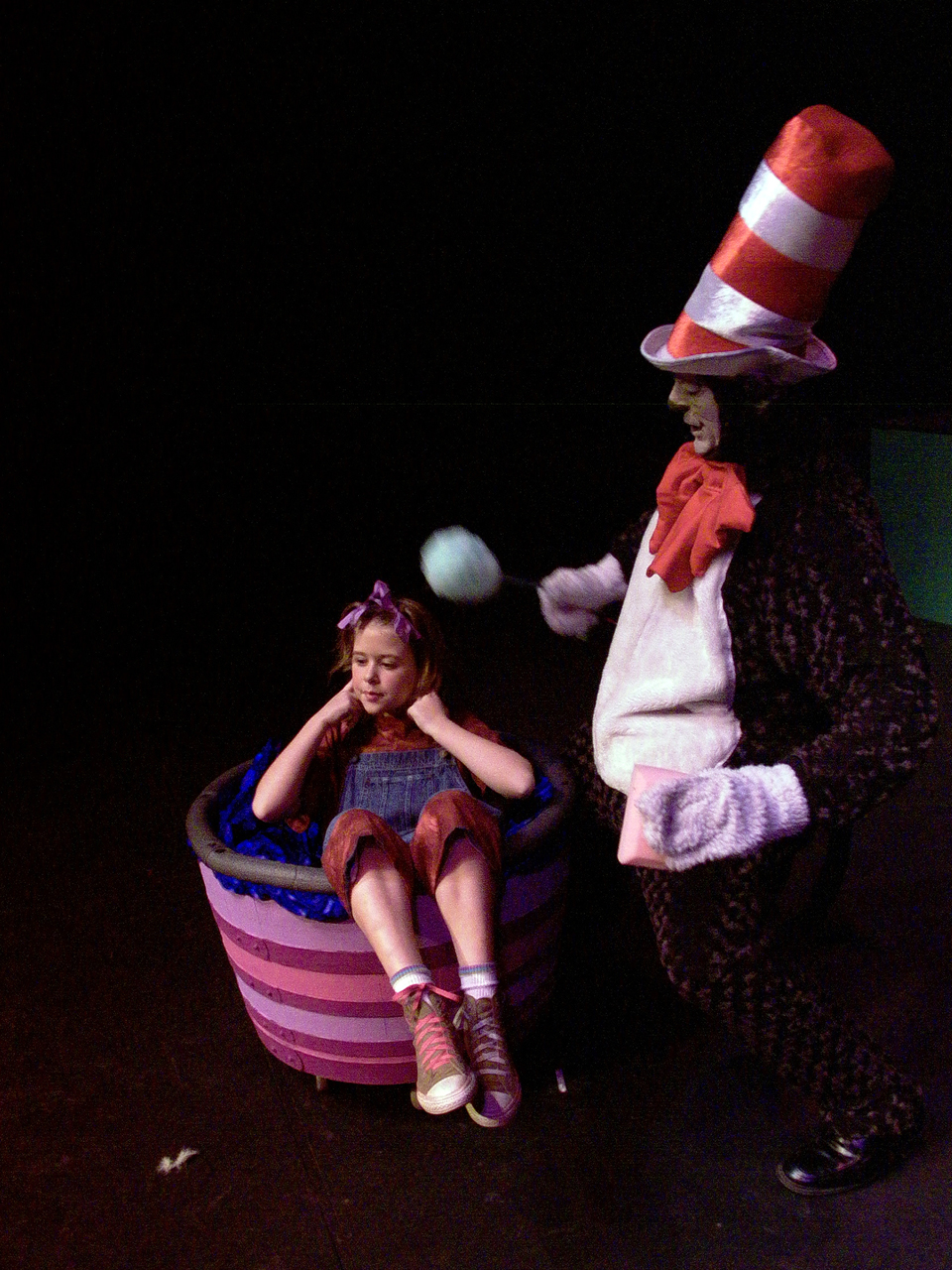
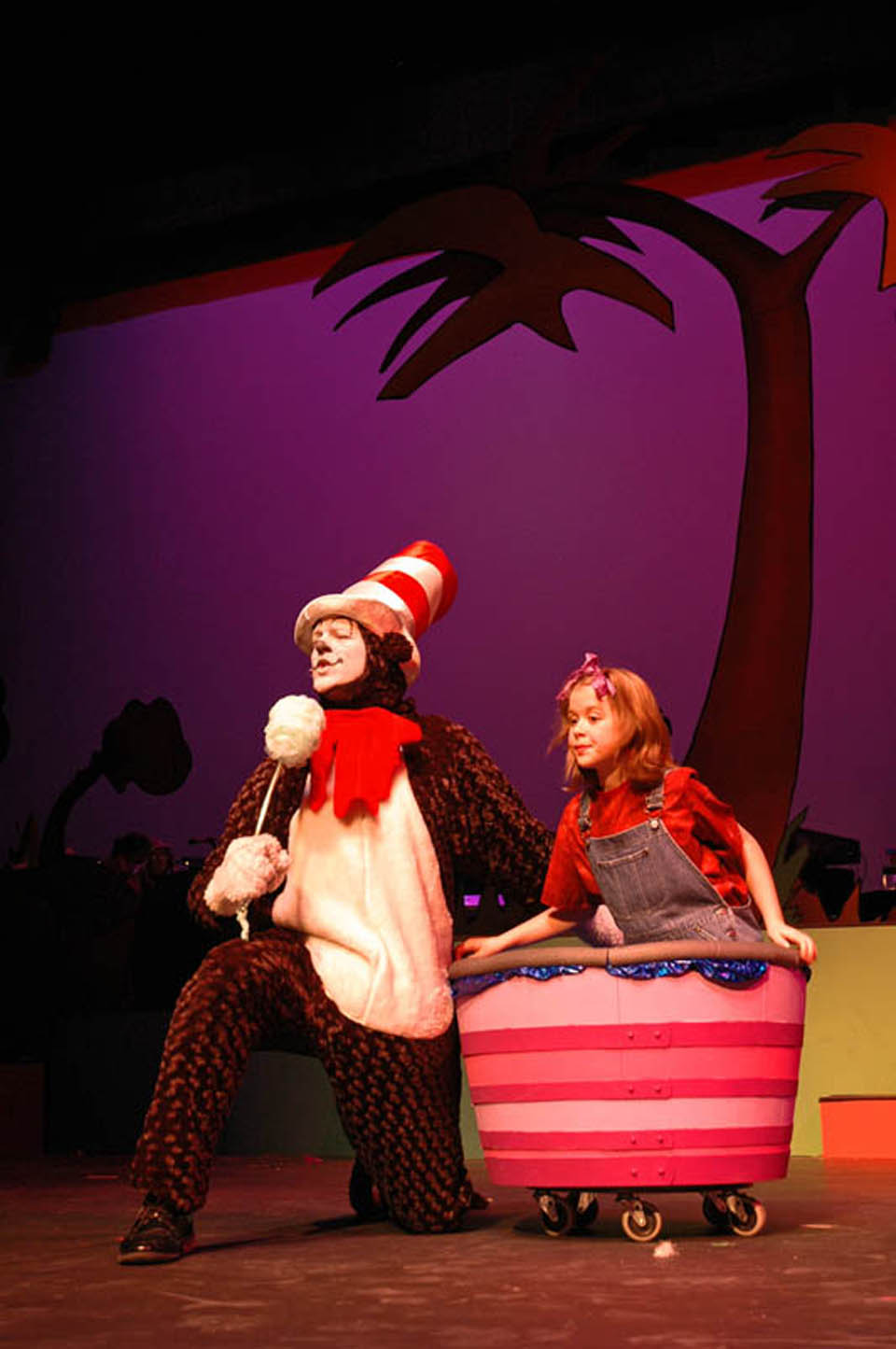
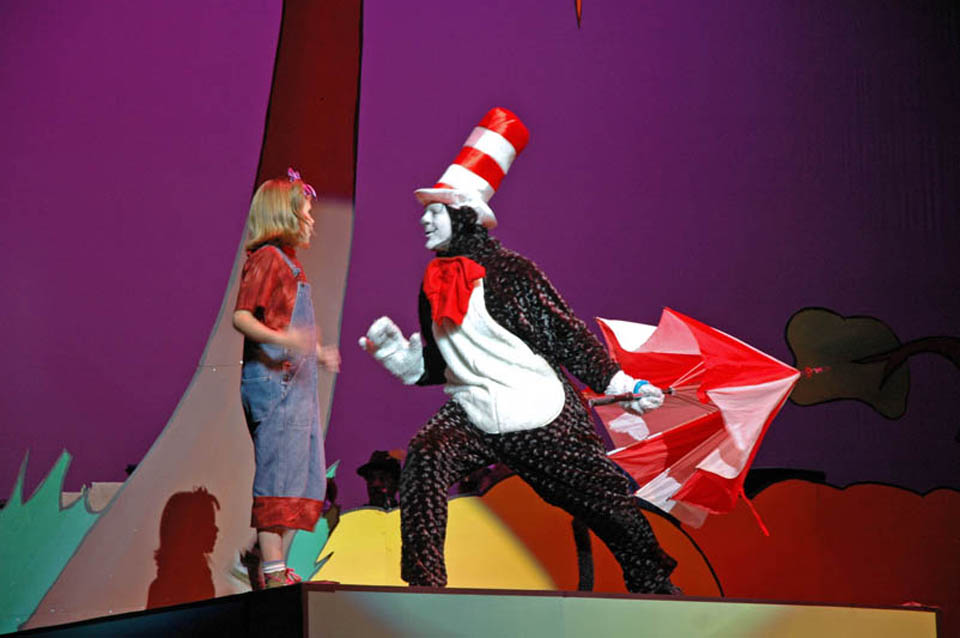
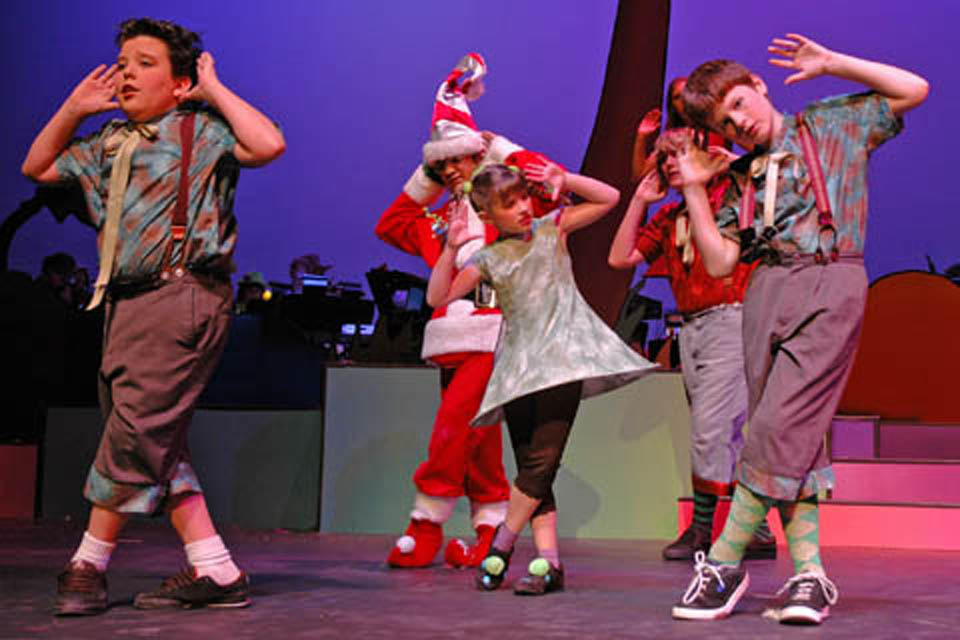
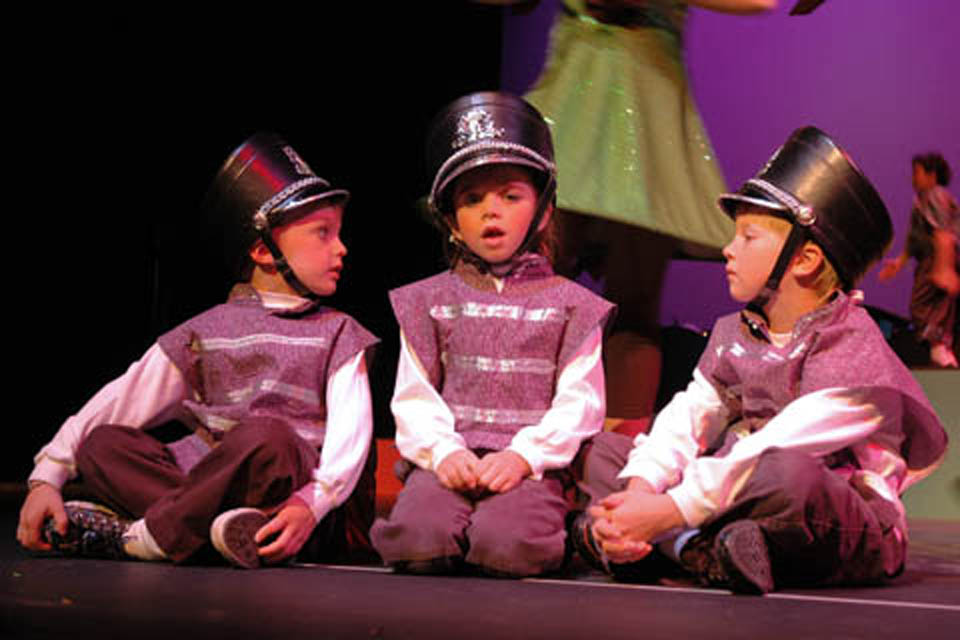
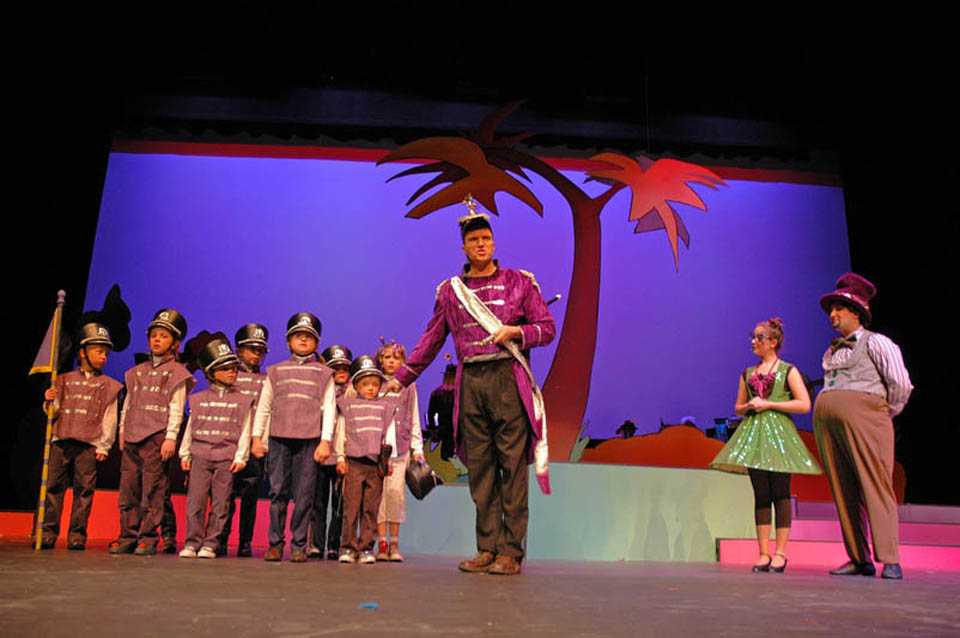
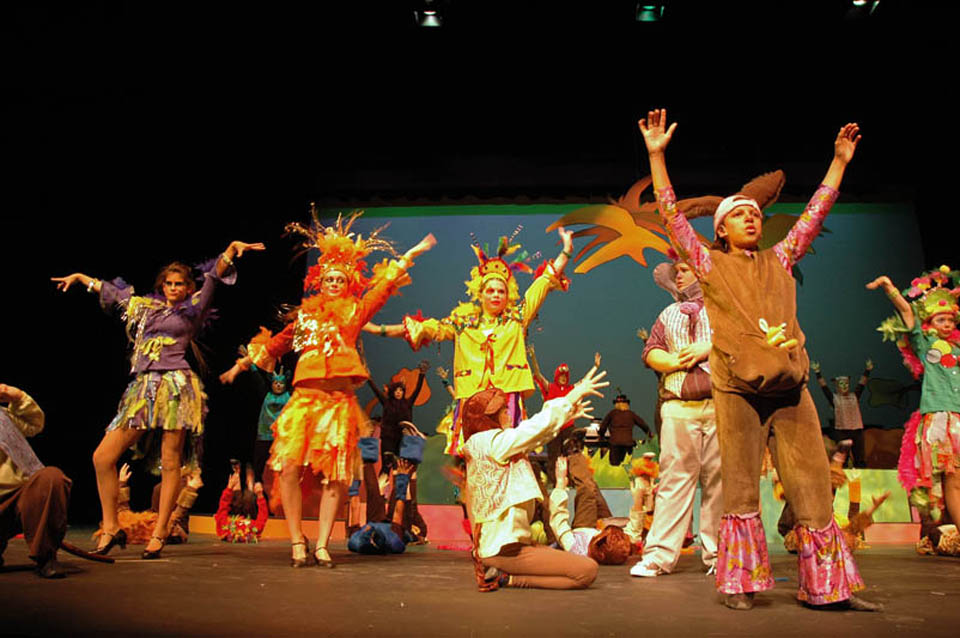
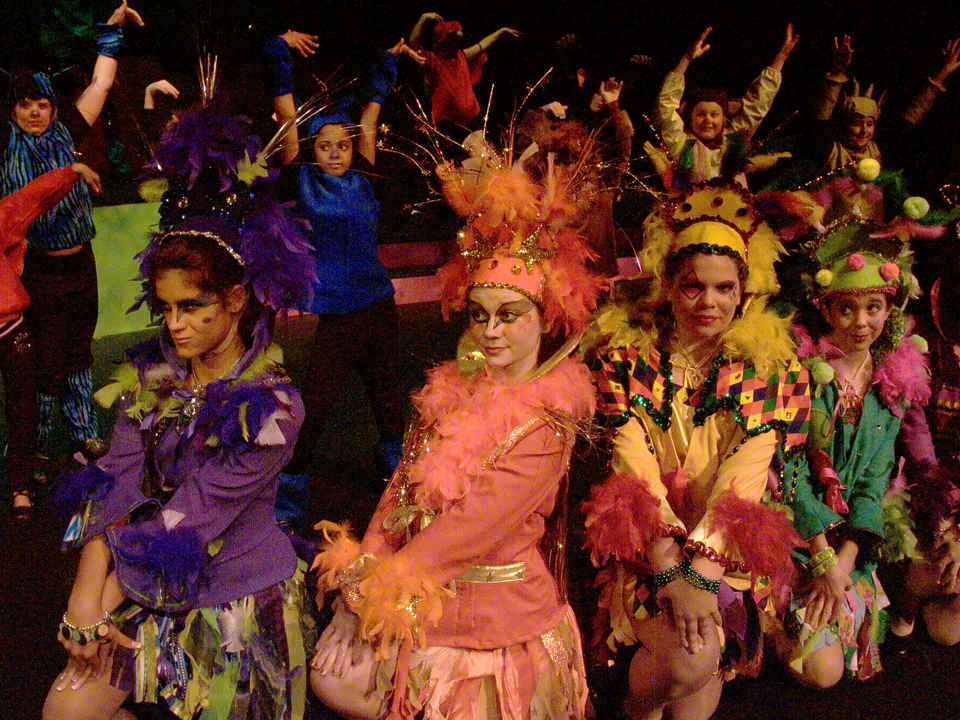
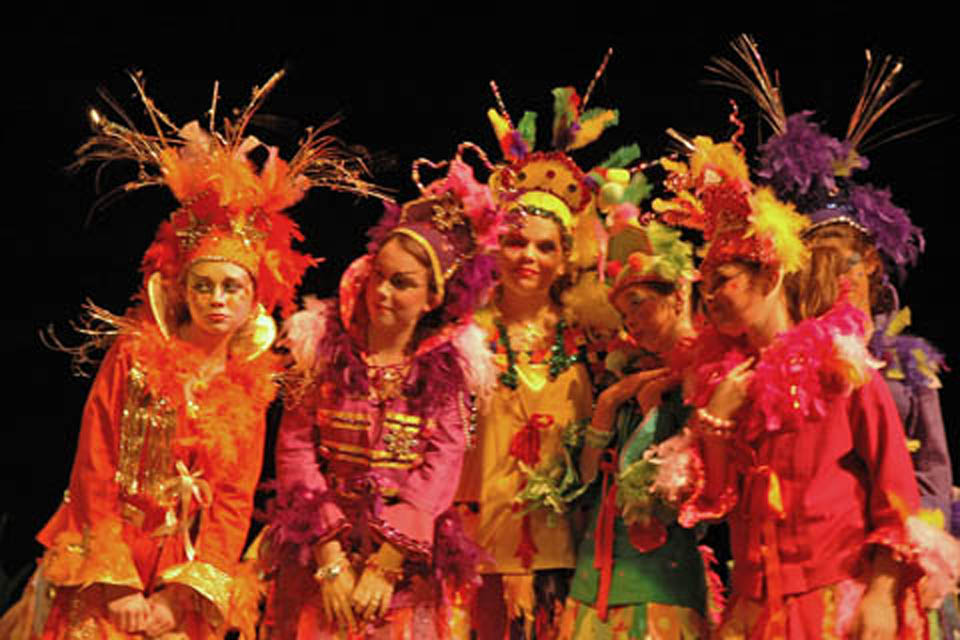
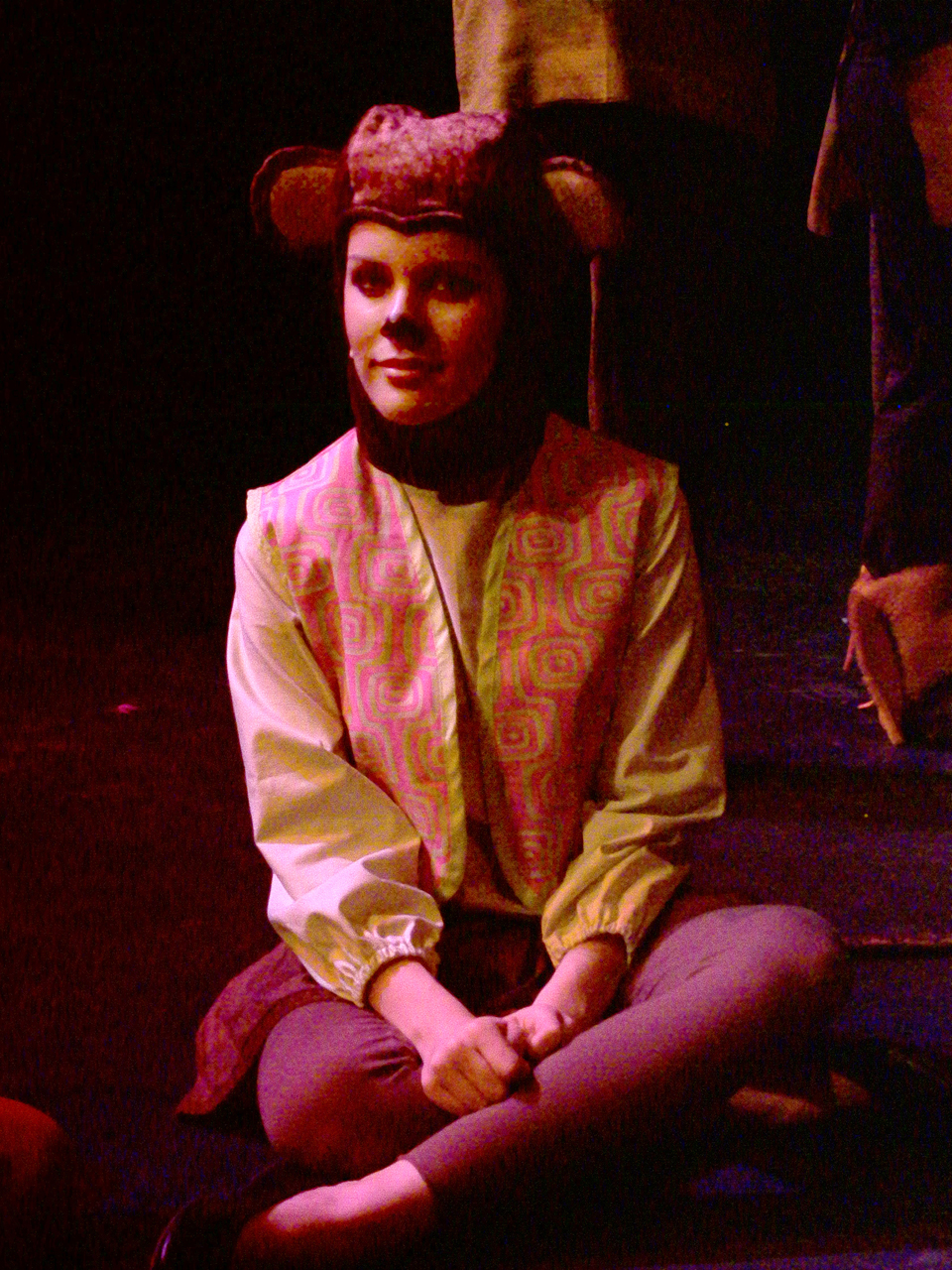
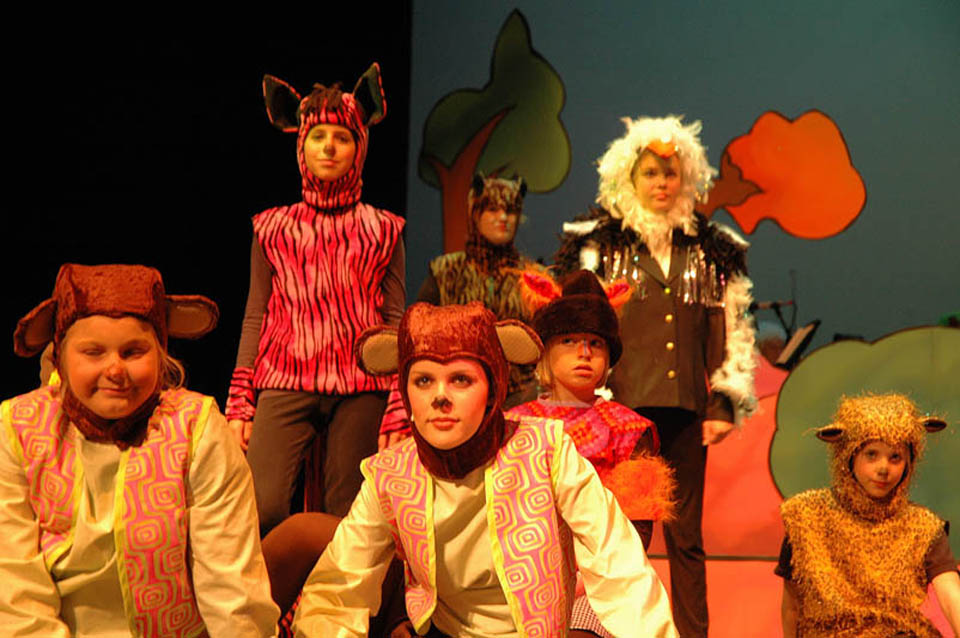
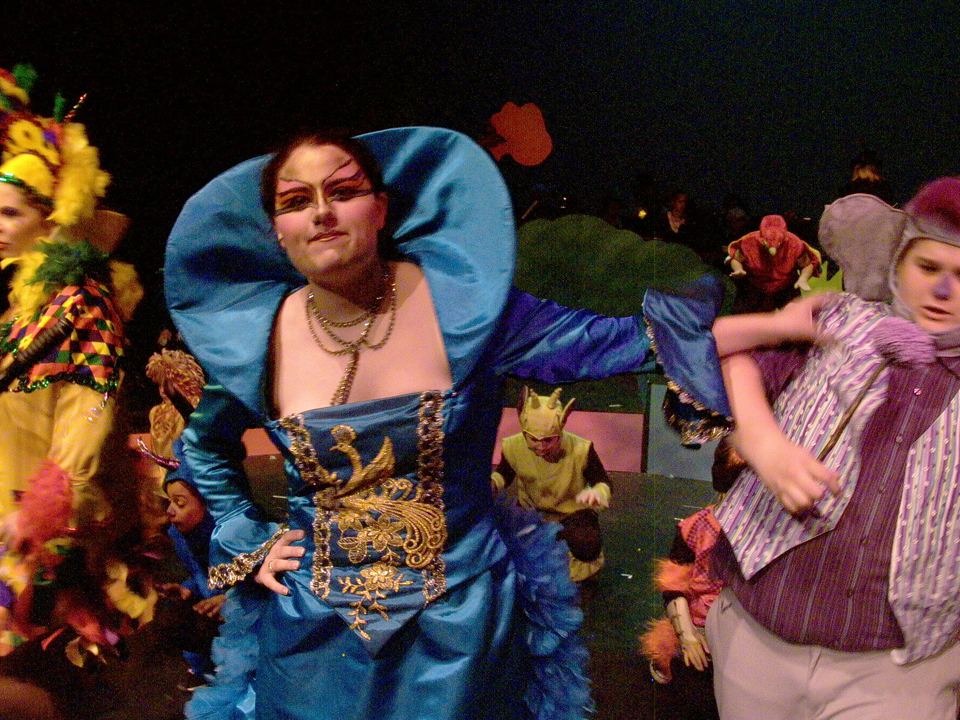
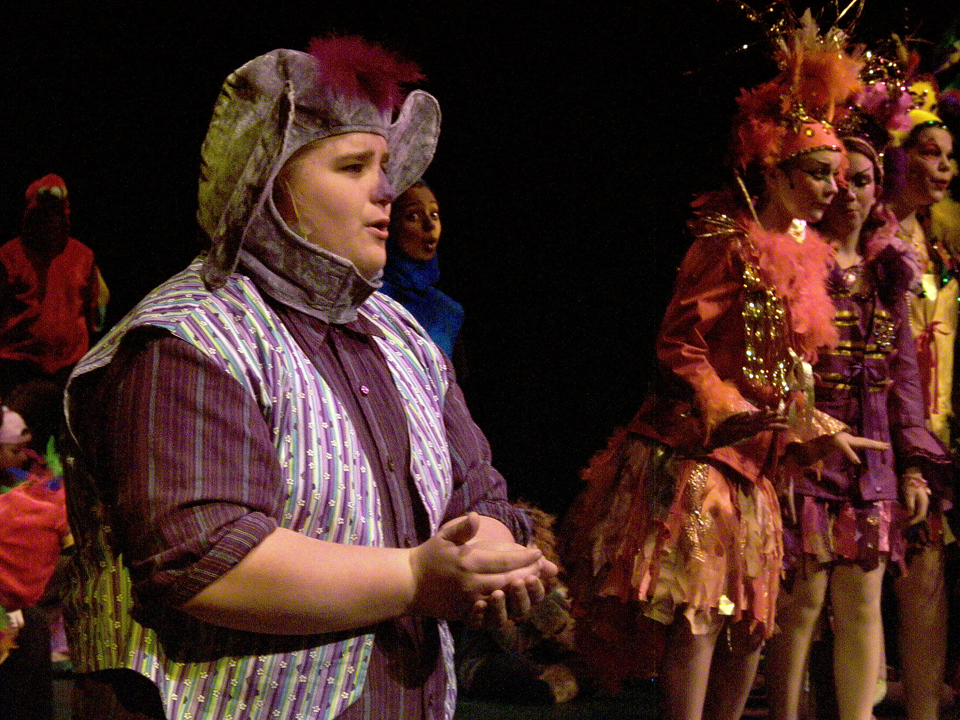
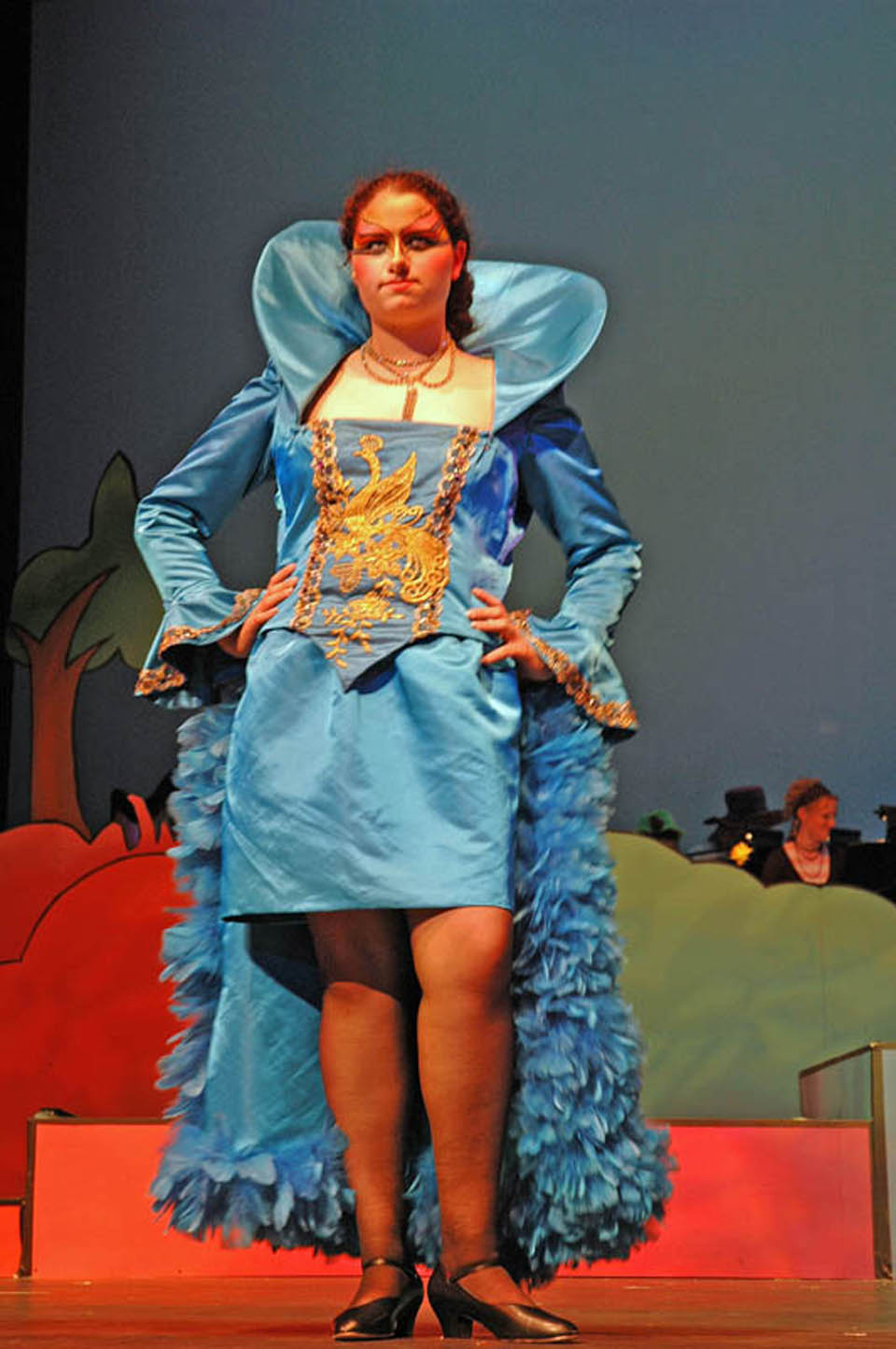
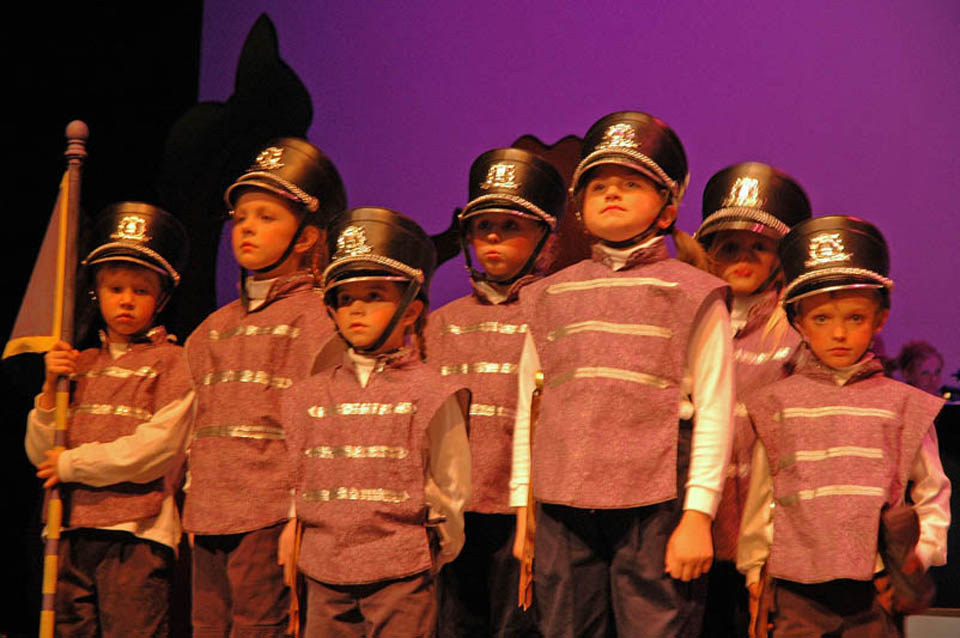
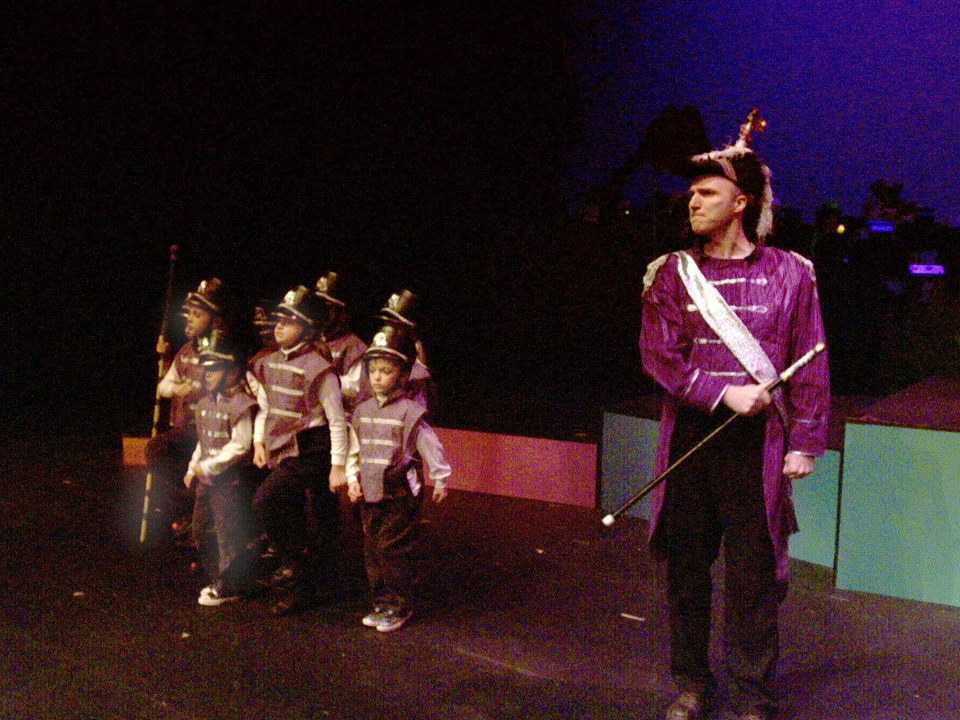
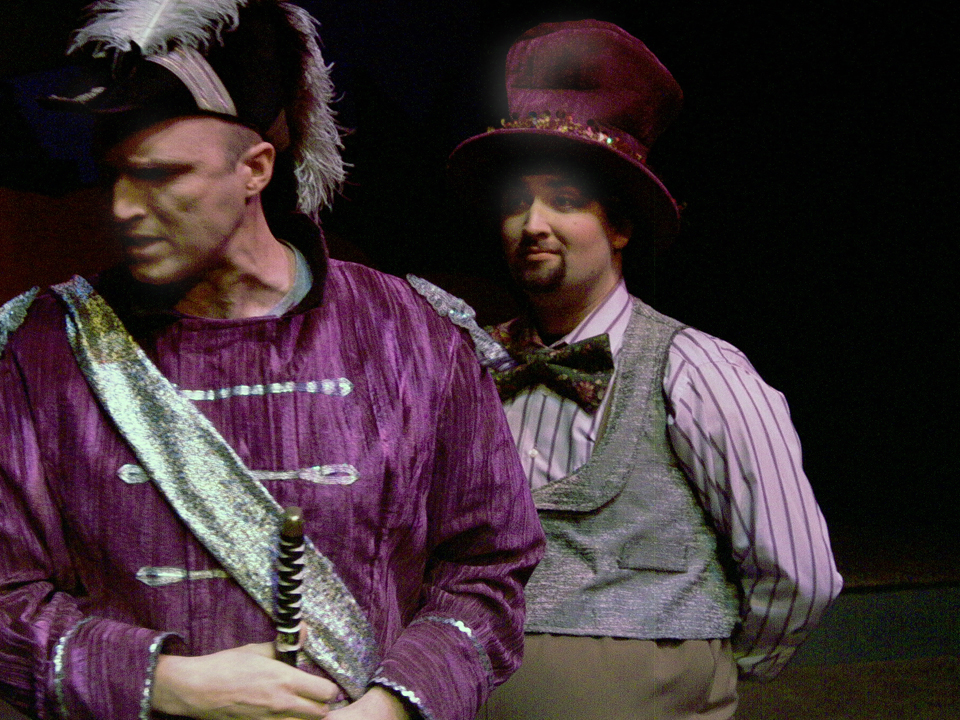
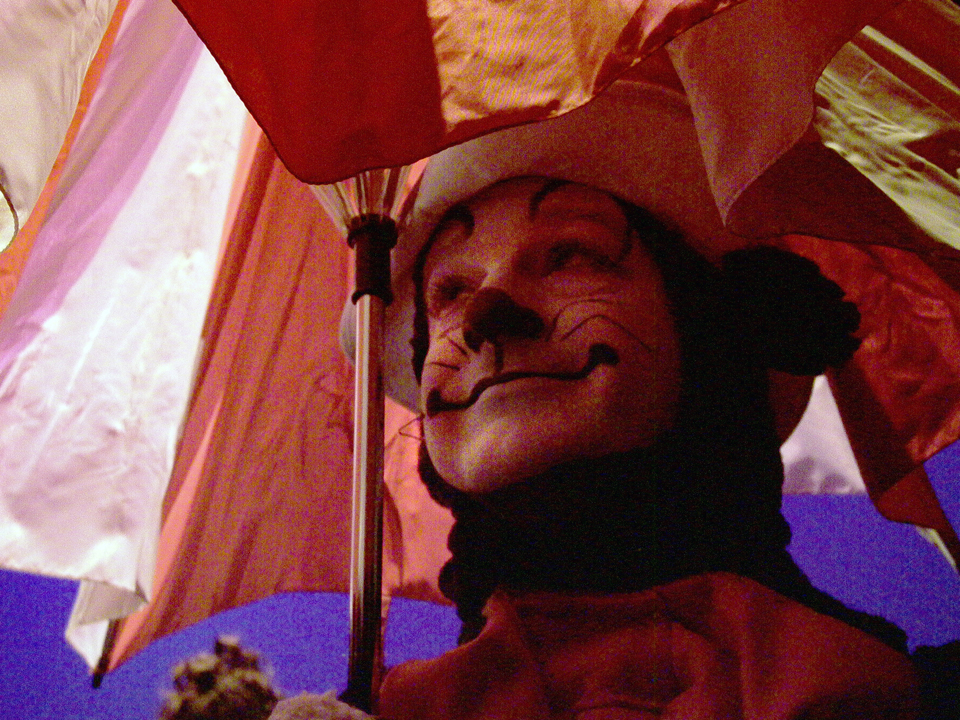
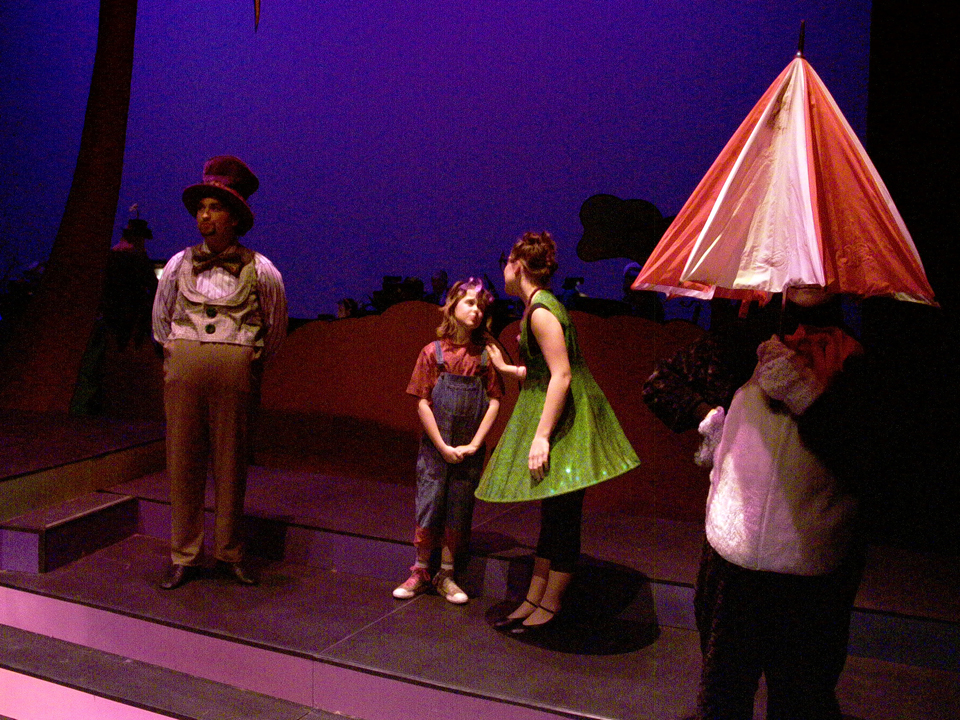
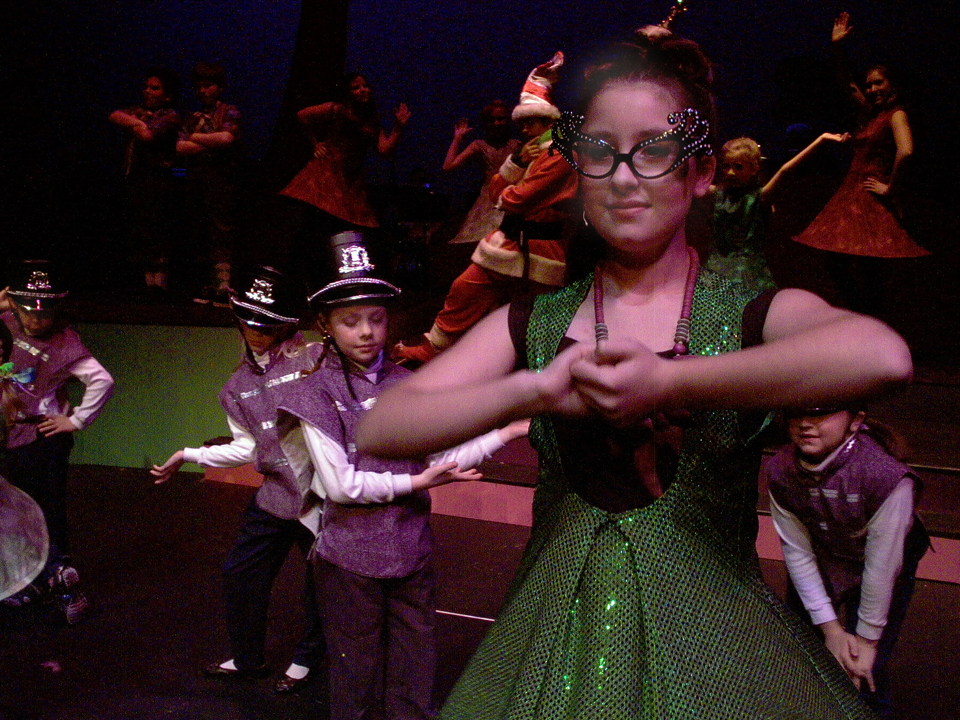
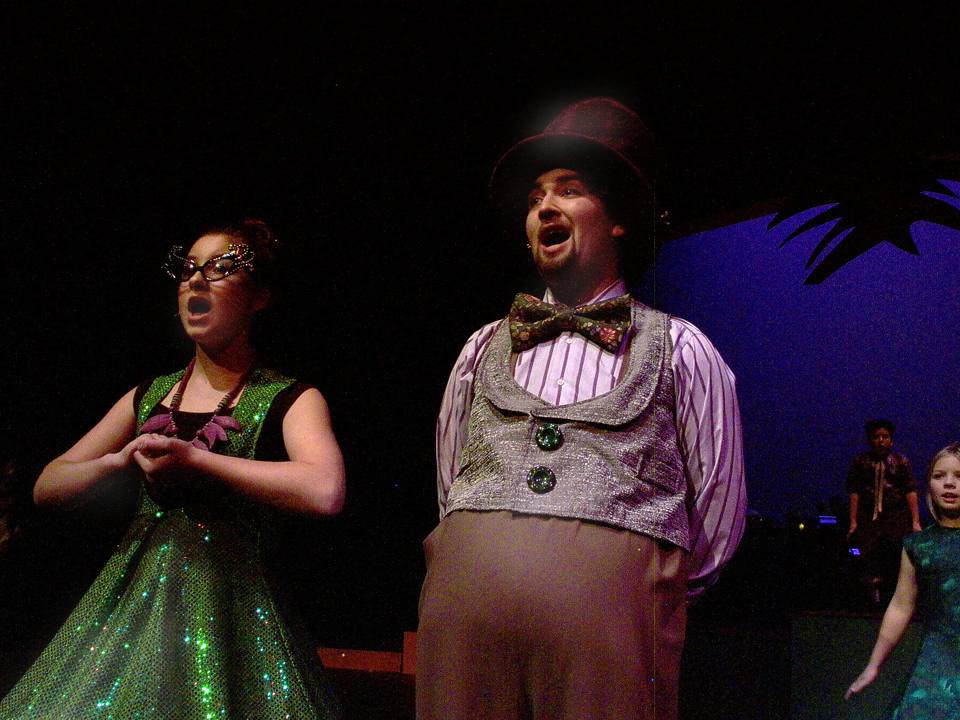
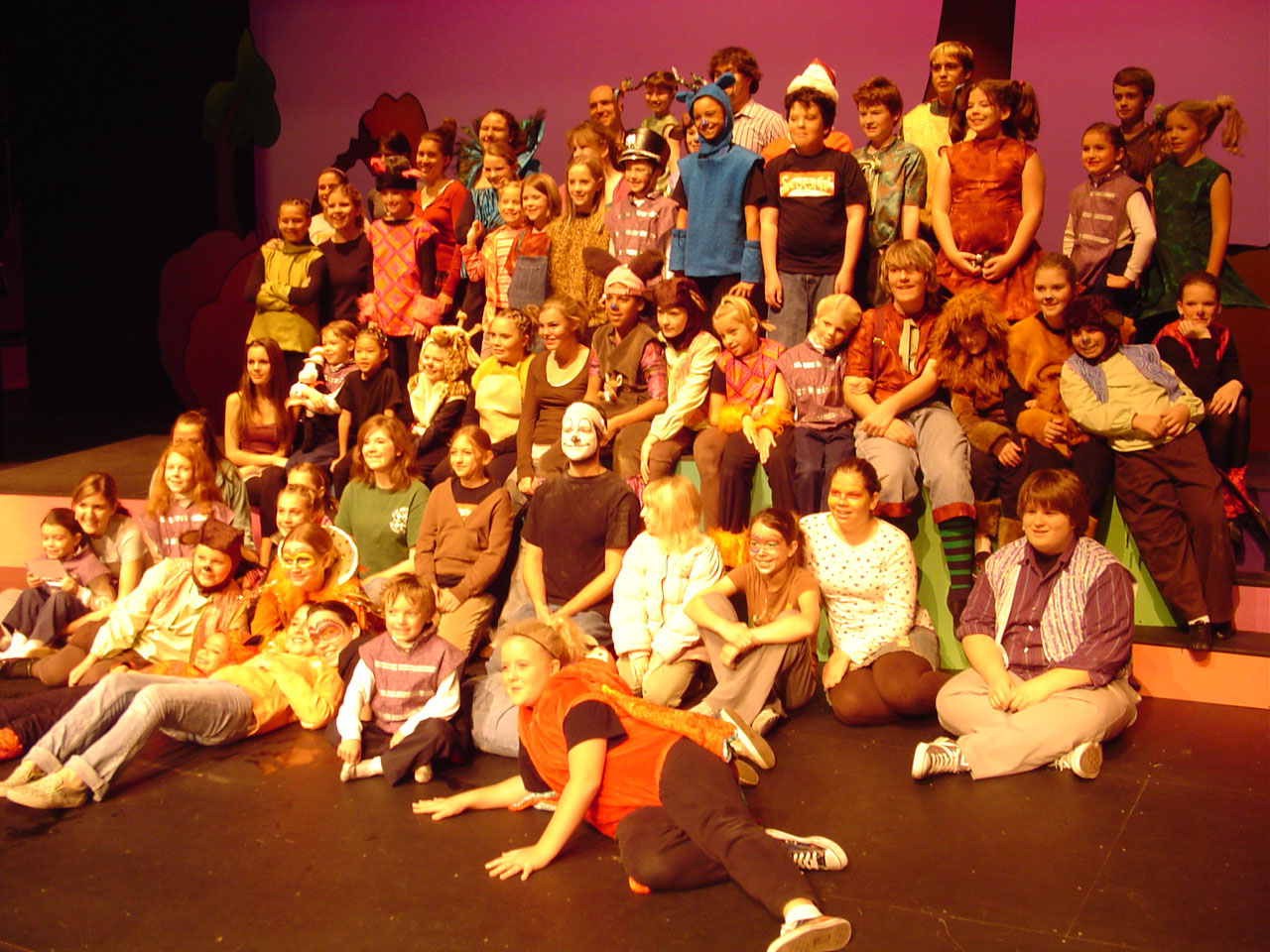
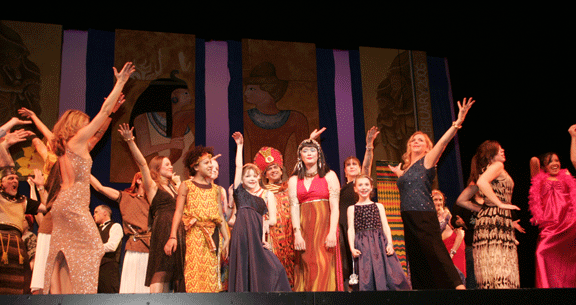
Cast photos for Seussical the Musical, November 2006, McIntyre Hall – Mount Vernon, WA. Presented by META Performing Arts.
What a fun show this was! I think it was a real bullseye for the kids, META Performing Arts and the artistic team.
This is a show that will leave it’s mark for several years. It has raised the bar in several areas for local children’s theatre. We took a lot of chances, had a lot of “firsts” for McIntyre Hall – and it all worked.
Someone asked me today if I knew the show would be this good, and I said Yes. However, there was definately some support I needed from the directors and producers to get my end done – and they came through 110%. Ok, blah blah blah, it rocked and everyone did their part.
This group of kids became such a very polished professional group. Even backstage it was total pro. Amazing considering the ages we were working with. So YOU KIDS ROCK!
I had one person tell me they saw the touring Seussical show with Cathy Rigby and felt that ours was better. They were also very surprised at how “high class” our orchestra sounded. Mostly when I get compliments like that I brush them off a bit, but in the case of this show I know it’s true. I really do think this crew could go up against a touring show.
And the most awesome comment I got today was from a mother who said her child had never participating in such a professional environment before. It made me remember when I was a kid and doing pro and semi-pro gigs. Made me smile. For many of the kids in this run of Seussical, this show will be a life altering experience for them. Some will realize they do not have to just be cute and slide along, they can actually step to the plate and bring it.
For some it means the next time they have a goal they are really driven to strive for, that this time they have a chance at acheiving it. Theatre also has a way of breaking down stereotypes. We all have a little mold we fit into, fulfilling other people’s expectations of ourselves. But in theatre we have a chance to reach out and be something different. Kids that have learning disabilities, are socially challenged; WHATEVER the shortcoming is (and we ALL have shortcomings, don’t kid yourself) – in theatre for each show they have a level playing field to start fresh.
For myself, my early performance experiences were extremely intense. It was largely a classical environment and I was a choirboy. Rehearsals were intense, performances were intense – but those shows instilled in me that nothing else will do. Nothing else is acceptable. There’s a saying (well, ok, it’s scripture) a friend shared with me that says if we bring our very best we will perform before kings. To perform before kings is not so important to me (I’ve had goals like that previously in life, and when I reached them they were empty and ephemeral). But it is MOST important that a little of that idea, the idea of reaching with absolute resolve in the arts, has been passed on with this show. At least I hope it has.
As the Cat in the Hat would say: “How sad! How terribly terribly Sad! Isn’t that Sad?” – the run is over. On to the next. Deep breath. Remember the mountain we climbed together. Another opening, another show – but life is a little sweeter for having been involved in this production……
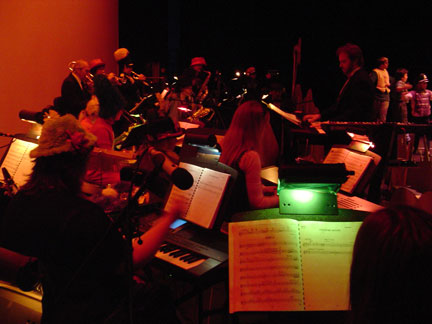
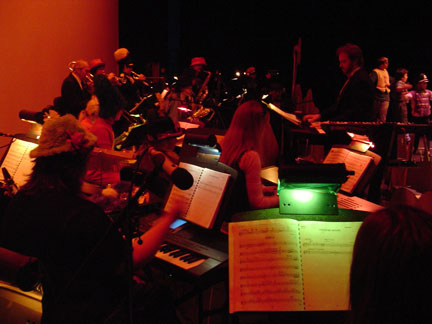
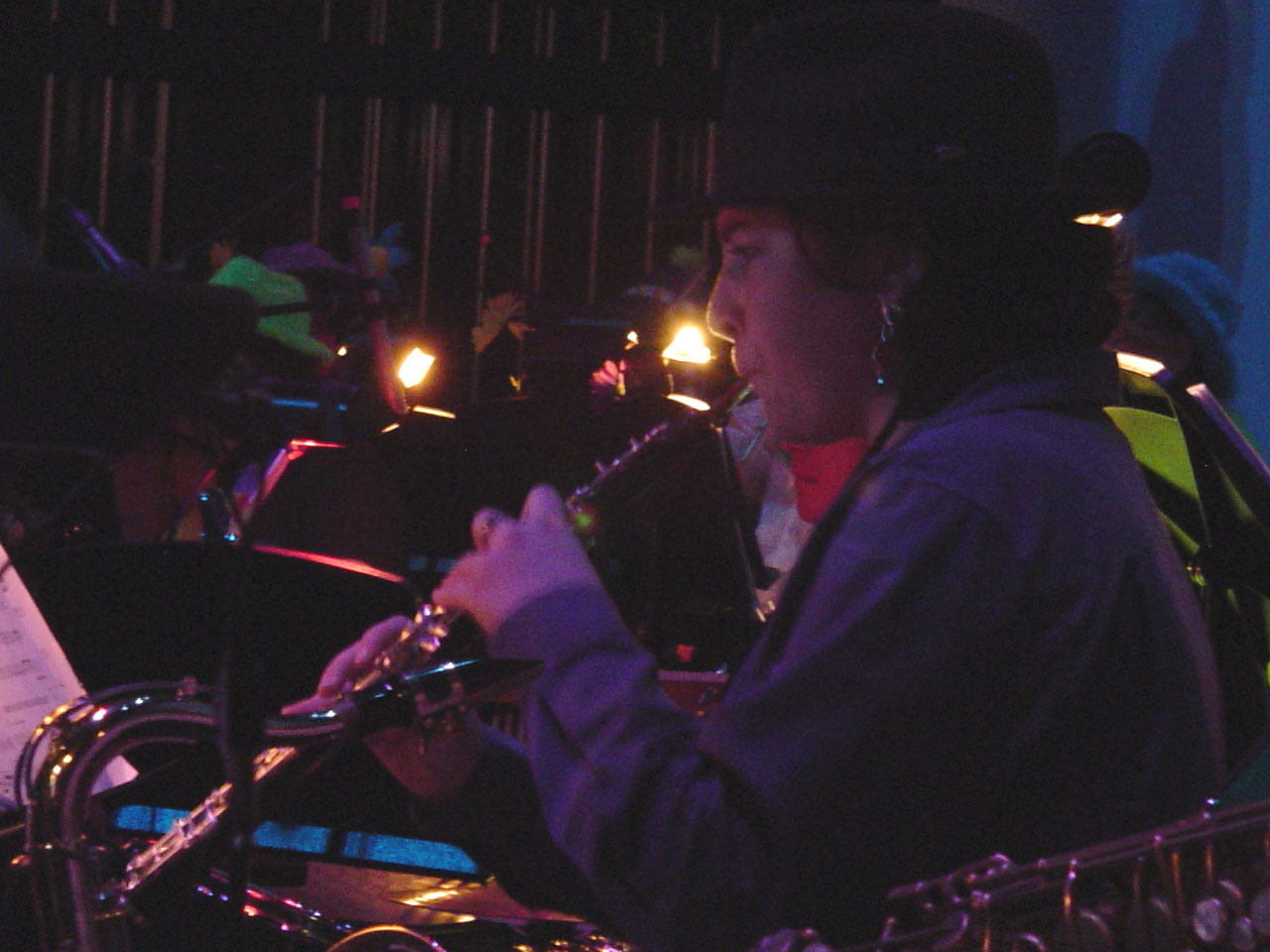
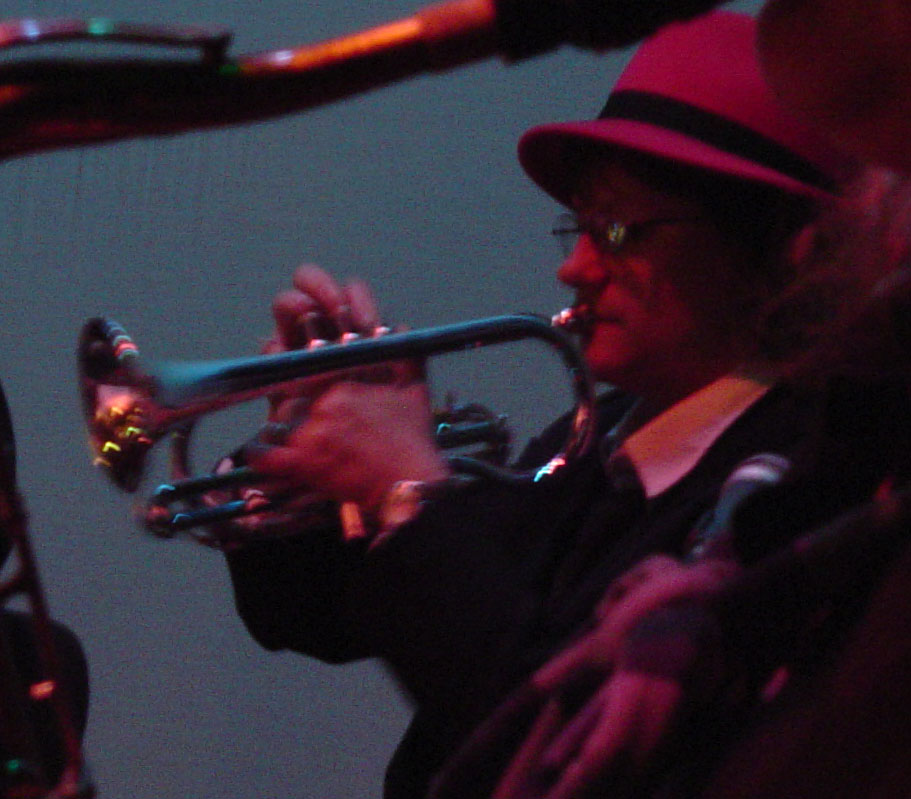
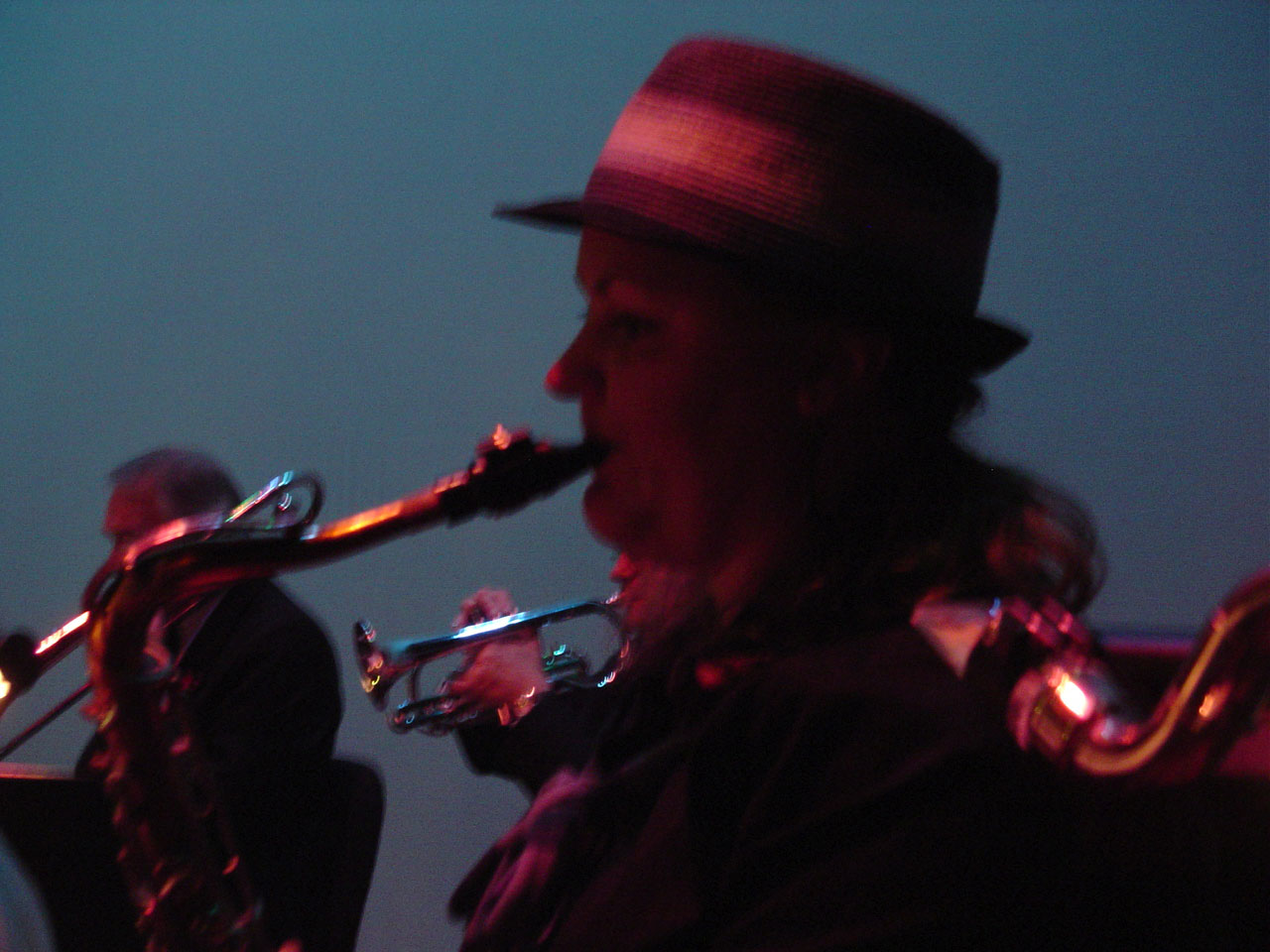
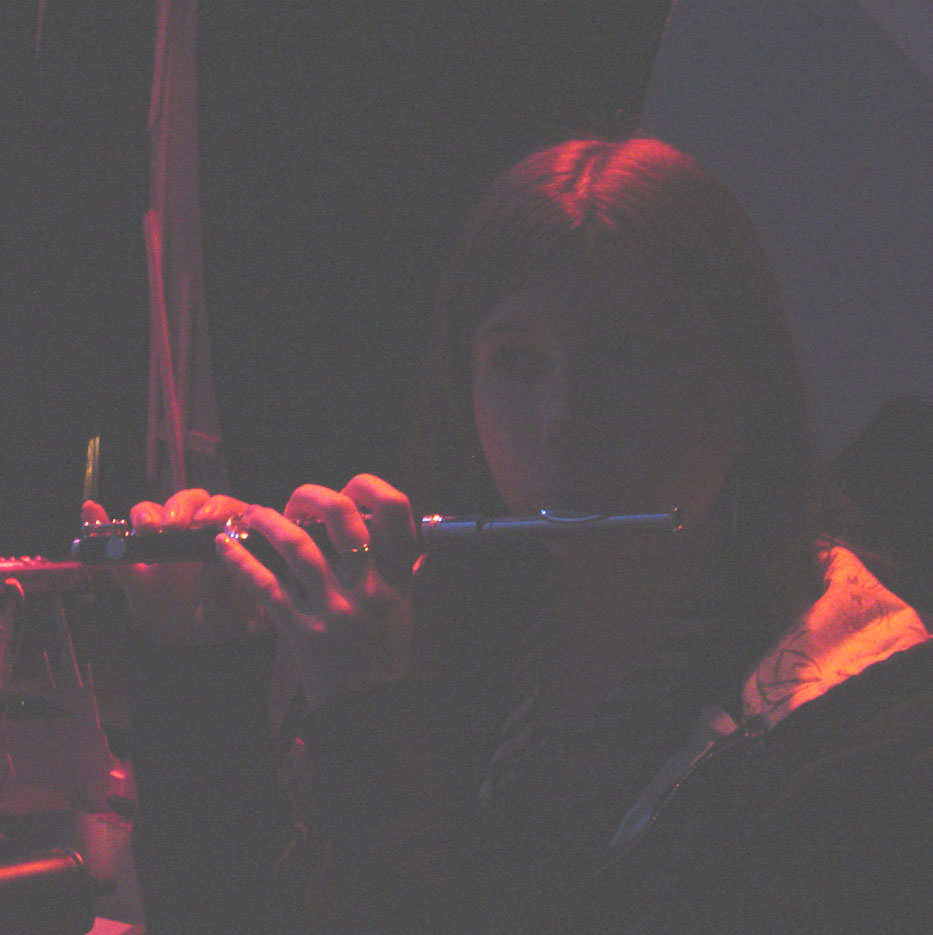
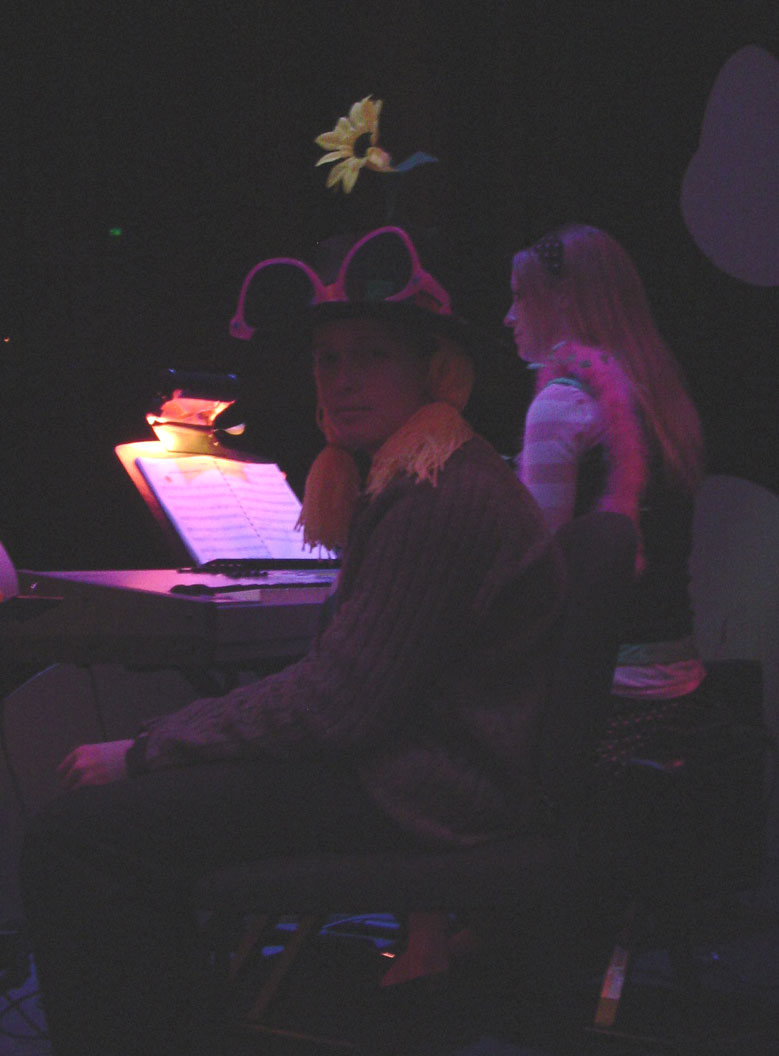
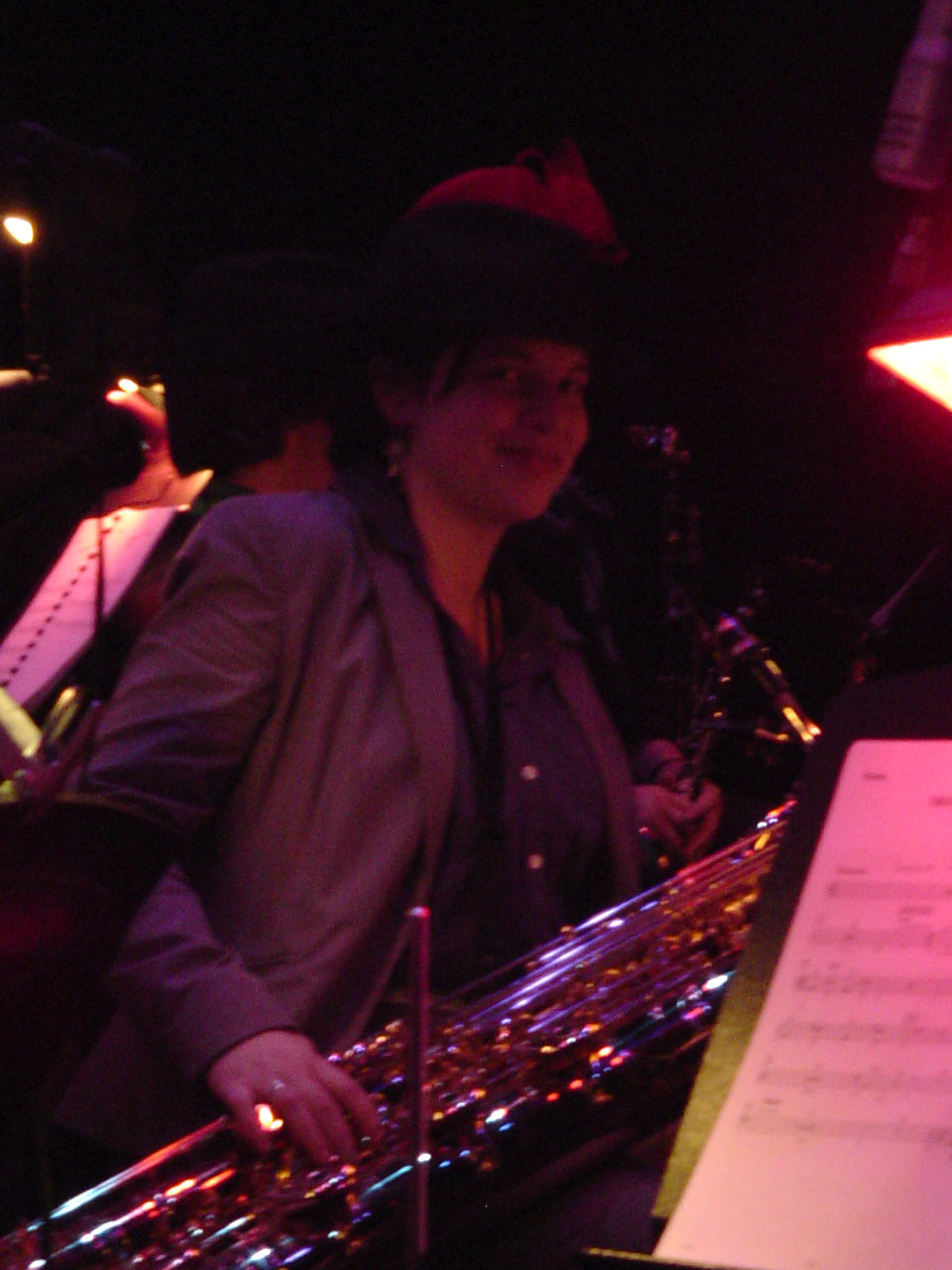
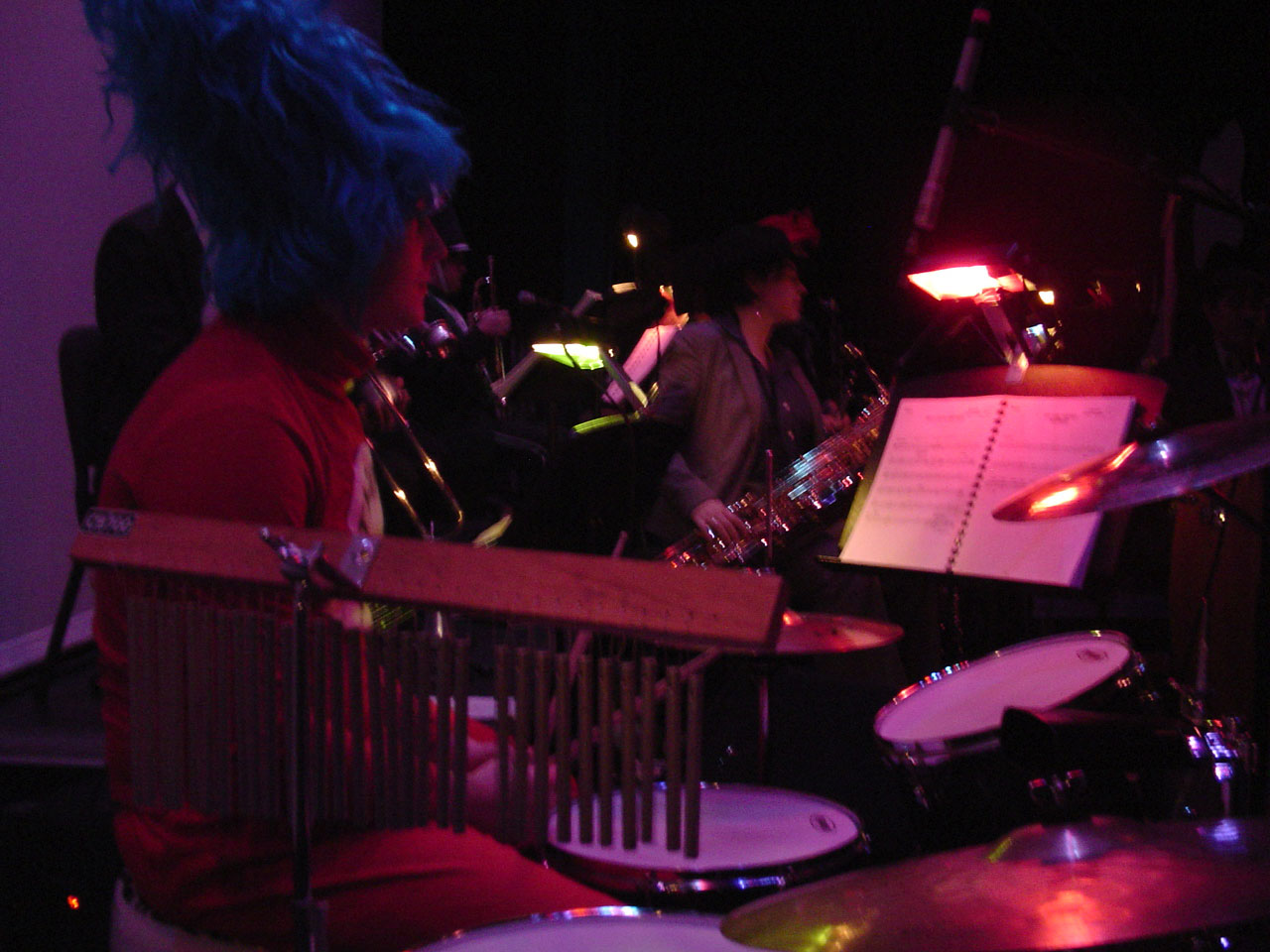
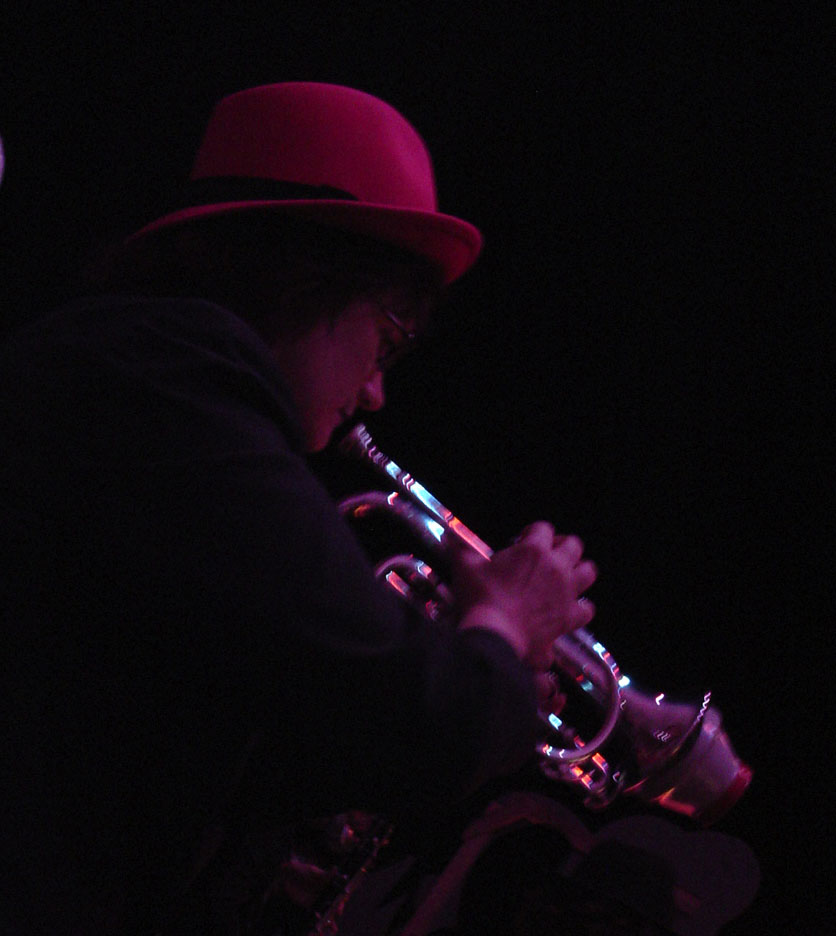
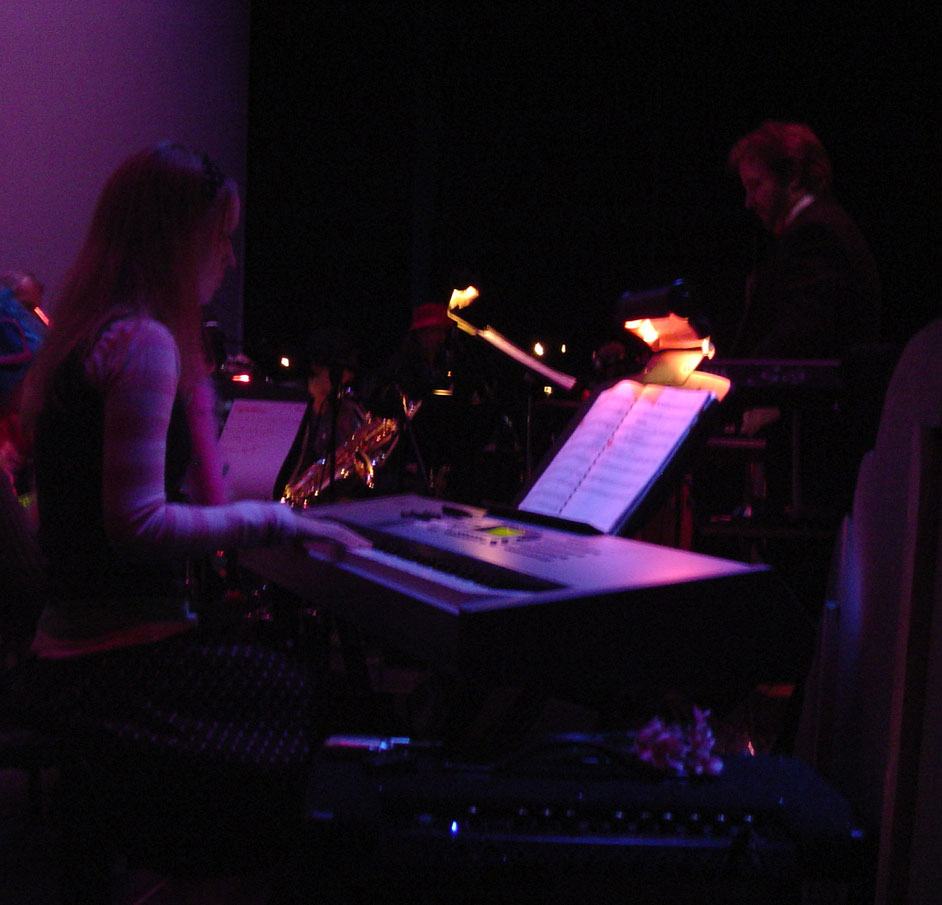
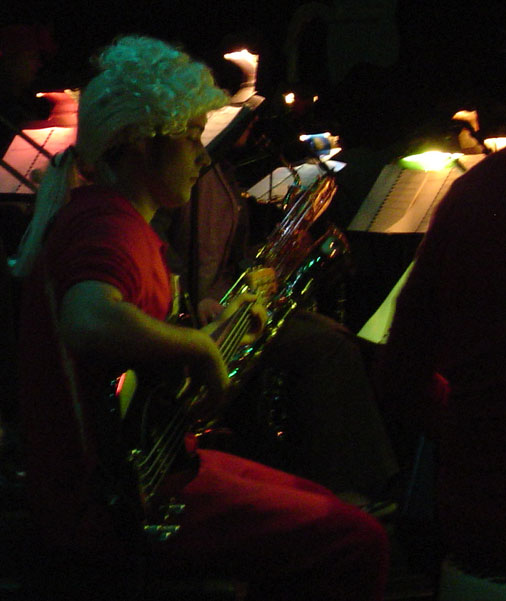
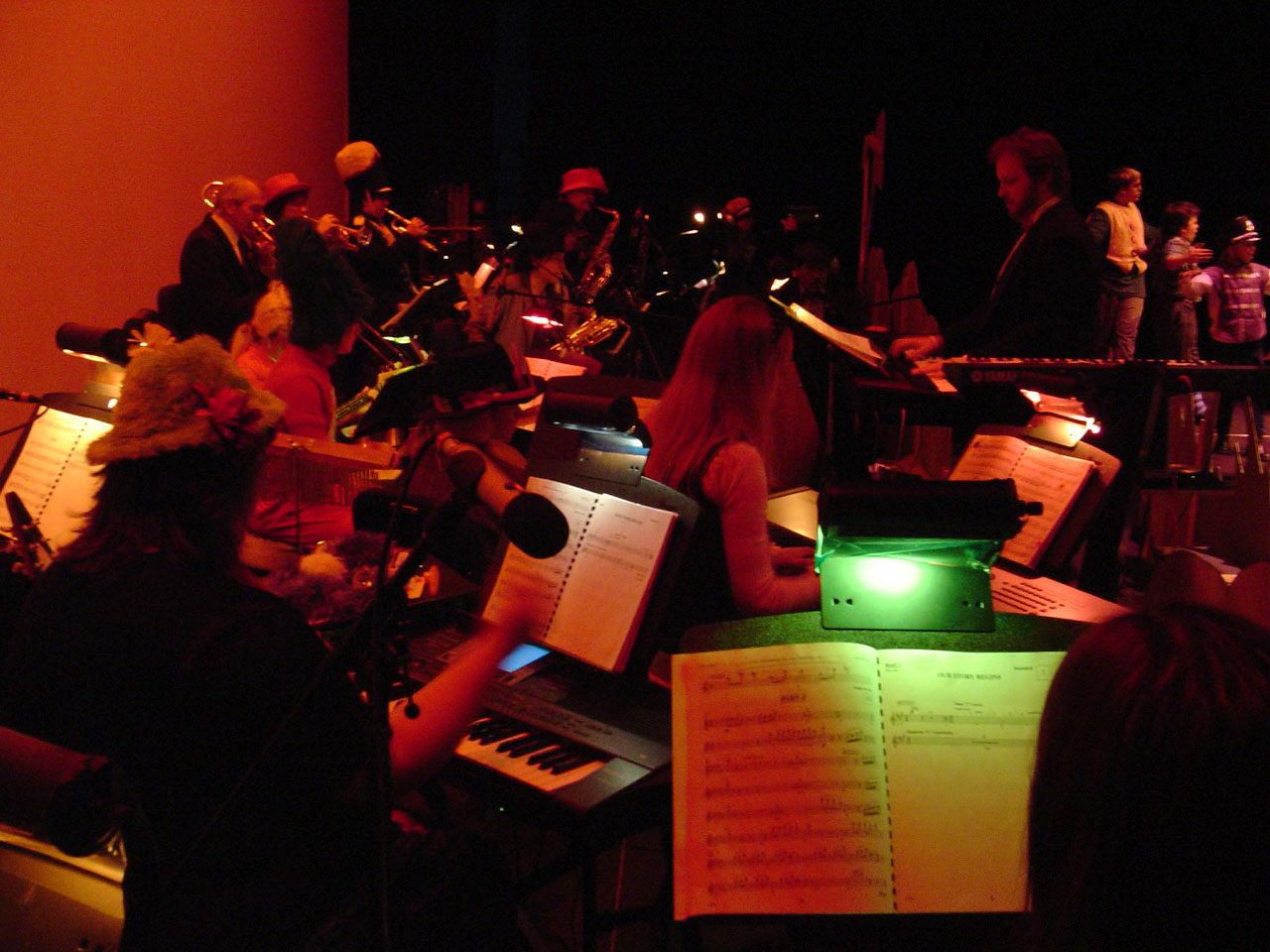
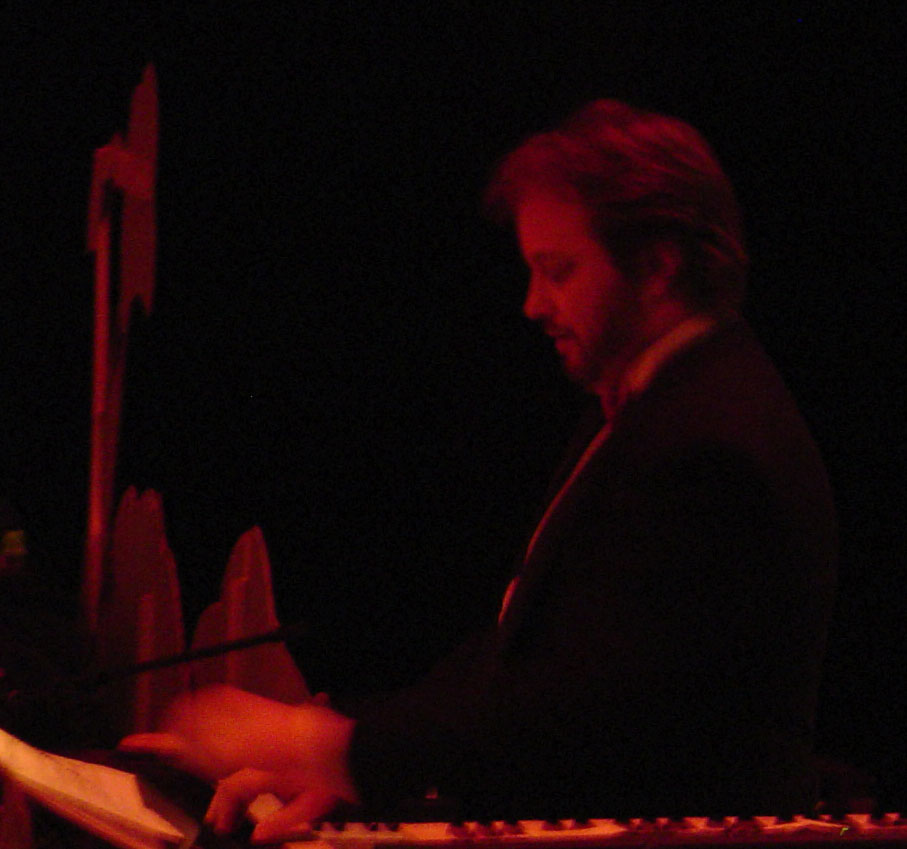
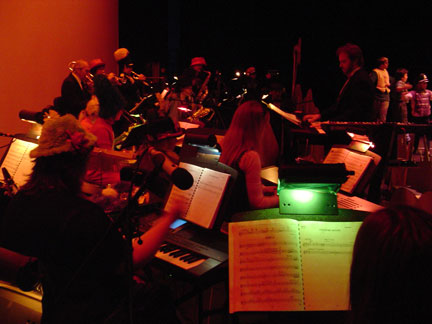
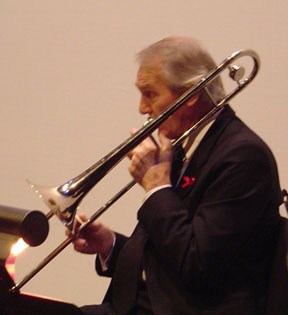
Here are some pics of stage musicians for META’s production of Seussical the Musical at McIntyre Hall, November 2006. We didn’t have a professional photographer for these, so they’re a bit grainy. Click thumbnail images to view full size.
Disclaimer: Research for yourself the legal aspects of what’s posted here. This is for general church copyright license information and copyright law changes.
QUICK READ:
Performing music in regularly scheduled church worship services is exempt from copyright fees and licenses. Note: This does NOT include recordings or printing, only performance during regularly scheduled worship service.
Printing Lyrics in Service Bulletins – Get a CCLI.com account
BMI License – No need for worship services, regular service exempt.
Recording Music CD’s or Church Services – Churchca.com
Music performed in church services is exempt from copyright license and royalties. In other words, you can perform what you want during church services. This only applies to the regularly scheduled church service and does not apply to any special concerts, presentations or ticketed events.
From PCUSA.org – For churches, the majority of questions involve copying music from hymnals or sheet music and taping services for shut-ins. The Religious Services Exemption contained in the U.S. copyright law exempts from copyright infringement performance of nondramatic literary or musical works or of dramatico-musical works of a religious nature, in the course of services at a place of worship or other religious assembly. This exemption does not extend to copying the music or to audio or video taping of the performance.
PRINTING LYRICS OR PROJECTING LYRICS
You need permission to print song lyrics in your bulletin or to project them on a screen. CCLI.com provides clearance for a large catalog of Christian praise music. They only provide clearance for printing lyrics in bulletings or screen projection of lyrics. They do NOT cover selling recorded copies of the church service. Current fees for congregations up to 250 attendance is under $300 per year. I use this service at my church. Their website is setup well with easy access to lyrics, audio samples and sheet music you can transpose to different keys and print online. They cover mainly contemporary worship music but also have lyrics to many traditional gospel and hymn type songs. I highly recommend CCLI for any music director performing contemporary Christian worship music in their service.
CHURCH ONLINE PODCASTS AND CD RECORDINGS
The Church Copyright Administration at http://www.churchca.com is a new partnership with BMI. They charge a monthly or yearly administration fee (starting at $100 per month) to administer rights for podcasts and CD recordings. They have a tiered membership plan depending on your podcast and recording activity. My understanding is the yearly fee only covers administration. From your online member panel you fill in the songs you want to record or podcast, then CCA will find out the copyright and license payment info for you and bill accordingly. This was launched in October 2006 and time will tell how successful this partnership with BMI is. Currently at BMI.com there is no classification for a church license. Their referral is to the CCA site listed above. My understanding is that CCA only covers recordings because according to copyright law there is no BMI fees needed for regular church services (regular scheduled worship services are excluded from copyright payments, ie: free to perform).
COPYRIGHT FAIR USE ACT
Portions of a work may be copied if used in the course of teaching or instruction. There is no set number of seconds or lines that is designated as a definitive “fair use”. It is a matter the courts would decide, not the US Copyright Office, as to whether a piece was used as a small part of a greater whole for the purpose of education. Visit the US Copyright Fair Use page. Practicial church application of this would be using a small audio sample, portion of lyrics or photo in the course of a larger educational presentation.
RELATED COPYRIGHT ARTICLES and WEBSITES
Auditioning can be stressful,
here are some helpful hints when heading out for the audition.
Arrive at least 15 minutes early. You don’t
want to have to rush into your audition.
Give yourself time to find the space and warm up.
Pack your bag with a book in case there is
waiting and a bottle of water.
Not every place has a water fountain.
Be nice to everybody.
You never know if the person you are speaking to is important.
There may be several people waiting with you to audition.
Remember that they are competing with you for the same job.
Don’t let them intimidate you.
Wear neat, comfortable clothing.
We know you want to look nice,
but make sure you can move around the room.
And don’t wear a costume.
Your outfit can suggest the character such as a high-collar
blouse for a period piece, but don’t get all dressed up.
Careful when using perfume or cologne. You don’t want to
send anyone out of the room in a sneezing fit.
Try to find some background information about
the charcter you are auditioning for.
If you are auditioning for a particular company,
be familiar with their work.
It can also help you decide which pieces to
choose for your audition.
Bring clean and clearly marked sheet music.
If you are auditioning for a musical,
be sure the music you give the piano player
is cut down to 16 bars and is free of stray marks and coffee stains.
Remember to smile. If you are nervous,
take a deep breath and try to relax.
Recognize that you are not going to get every job
you audition for, but can learn from every experience.
When you are called in for your audition,
be confident and smile
and unless it is vital, avoid asking too many questions
as your audition probably has a tight time slot.
Keep your monologue to about a minute. Most directors can tell
in that time if they are interested. Have several pieces prepared
and one longer piece in case they ask to see more.
Definitely do not ask if you will be called back.
The casting director will let you know, that you can be sure of.
If you do get called back, wear the same outfit as during your audition.
Our run of Seussical the Musical was sold out for Thursday’s performance 11/09/06. McIntyre Hall has 650 seats including balcony and box seats. Rumor has it our attendance was 690 with many children sitting in laps to accomodate the crowd. It was our best show yet, a real rush for the cast and crew.