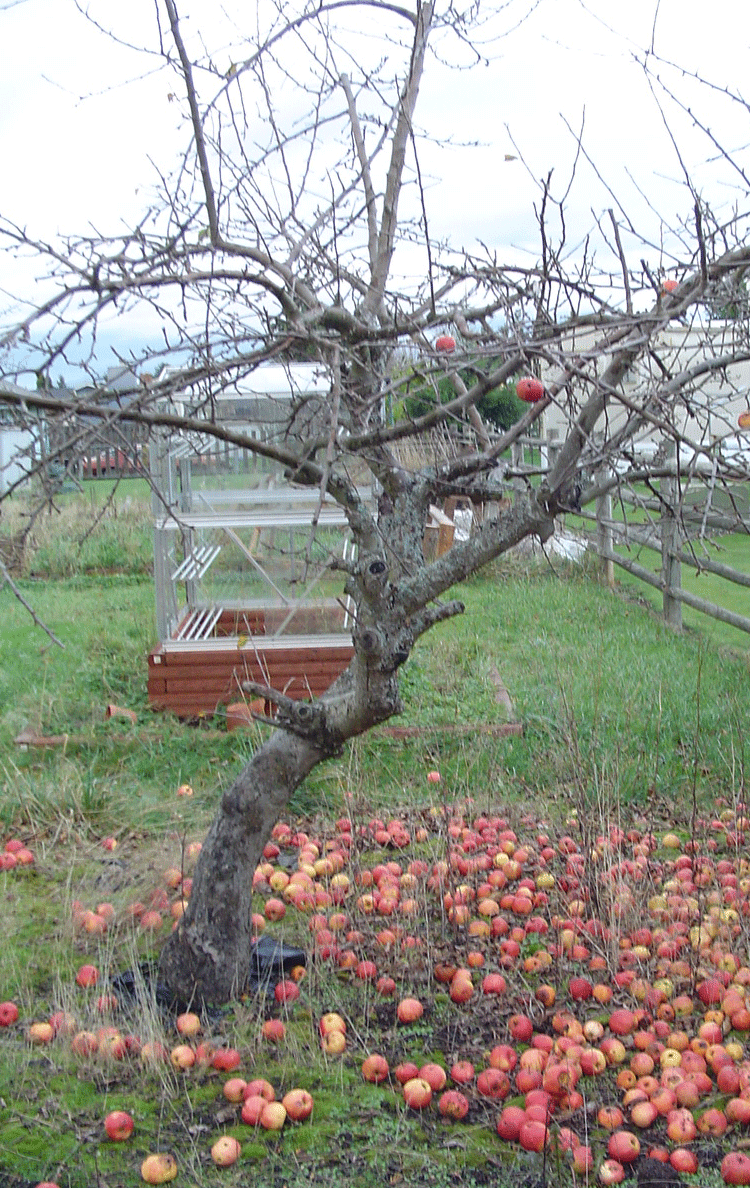
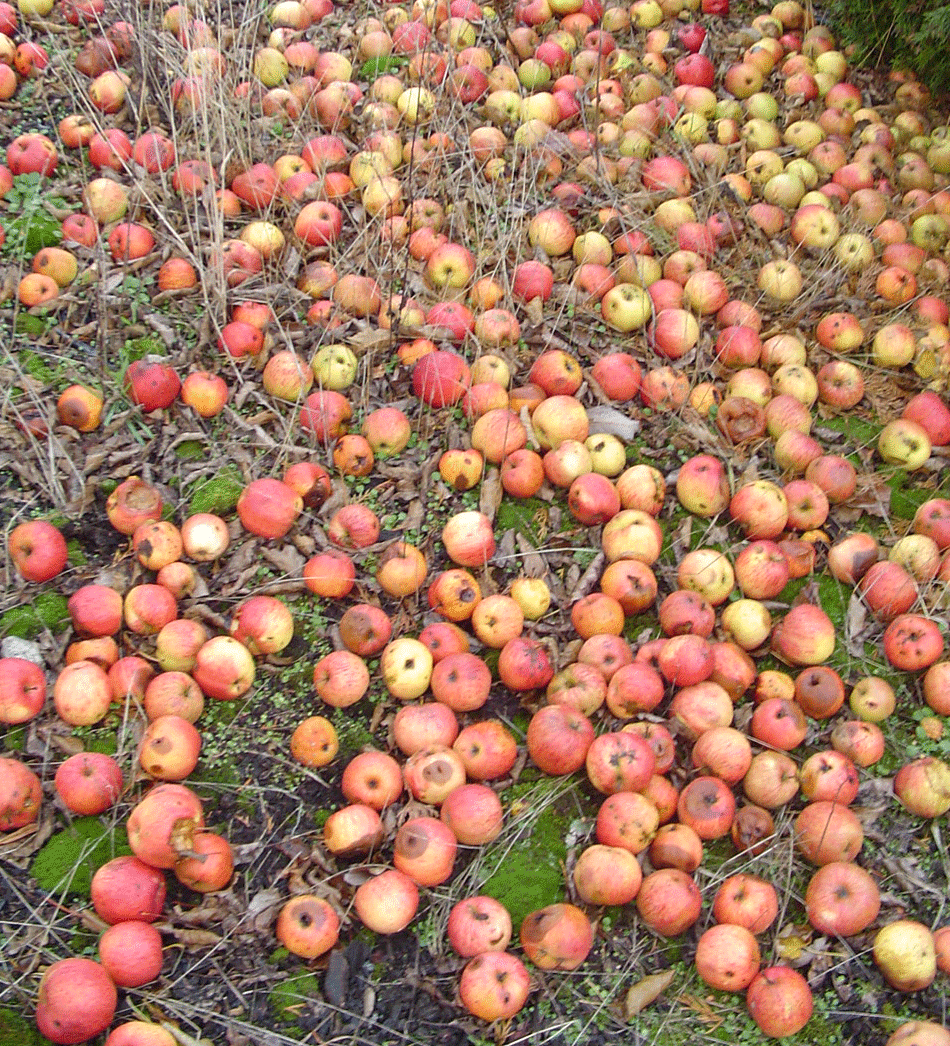
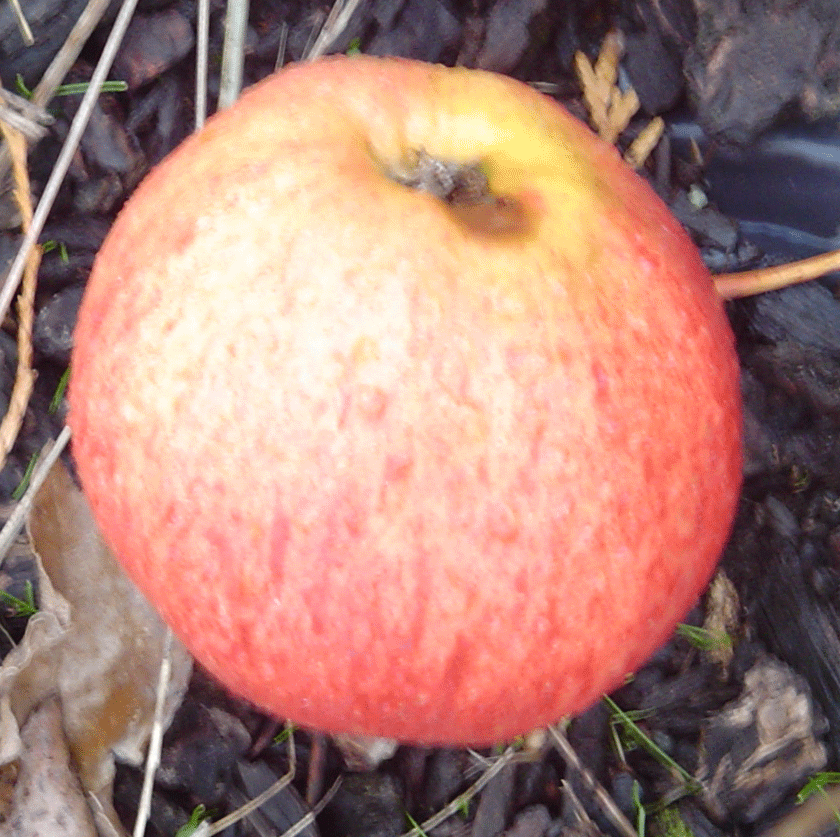
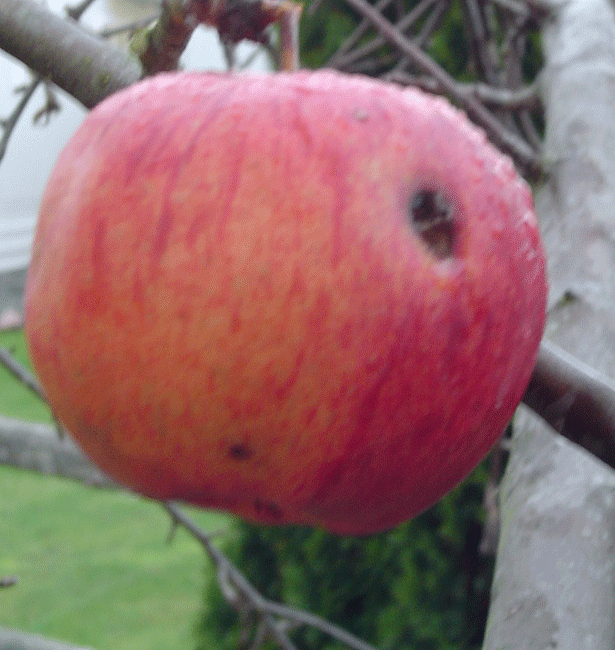
This is an apple tree in my backyard. The apples have fallen from it over the Summer and now in the Fall only a few apples remain. I get in trouble because I don’t pick the apples up and throw them away. I just can’t make myself do it. The apples on the ground are beautiful and I love to look at them. Even with a couple worm holes the color is still beautiful.
And that is the start of a wonderful and exciting magical children’s adventure…….I’ll post in this section to document progress.
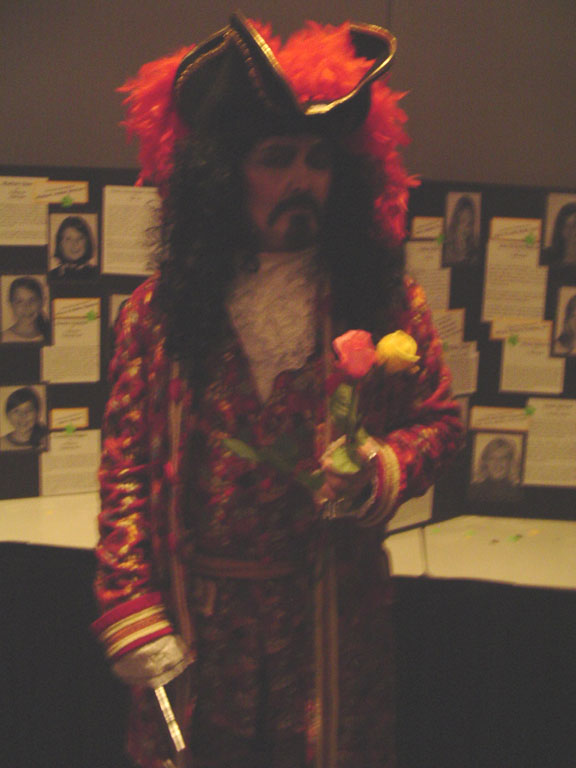
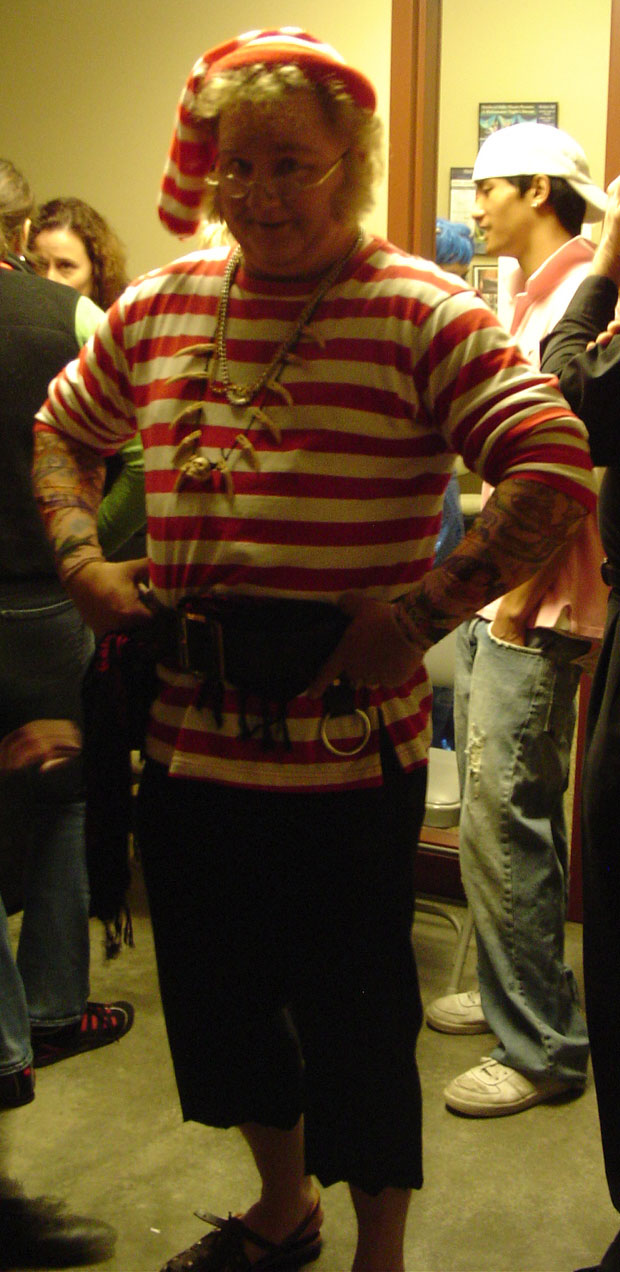
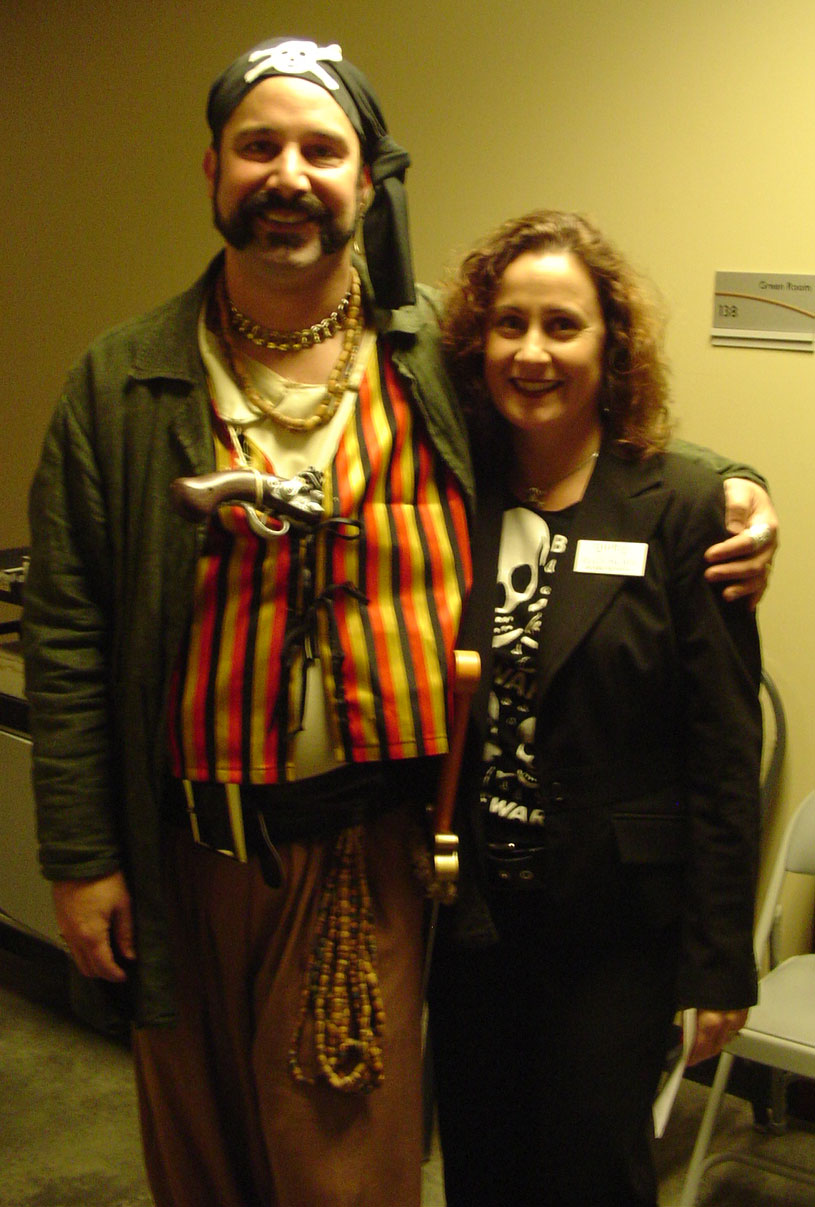
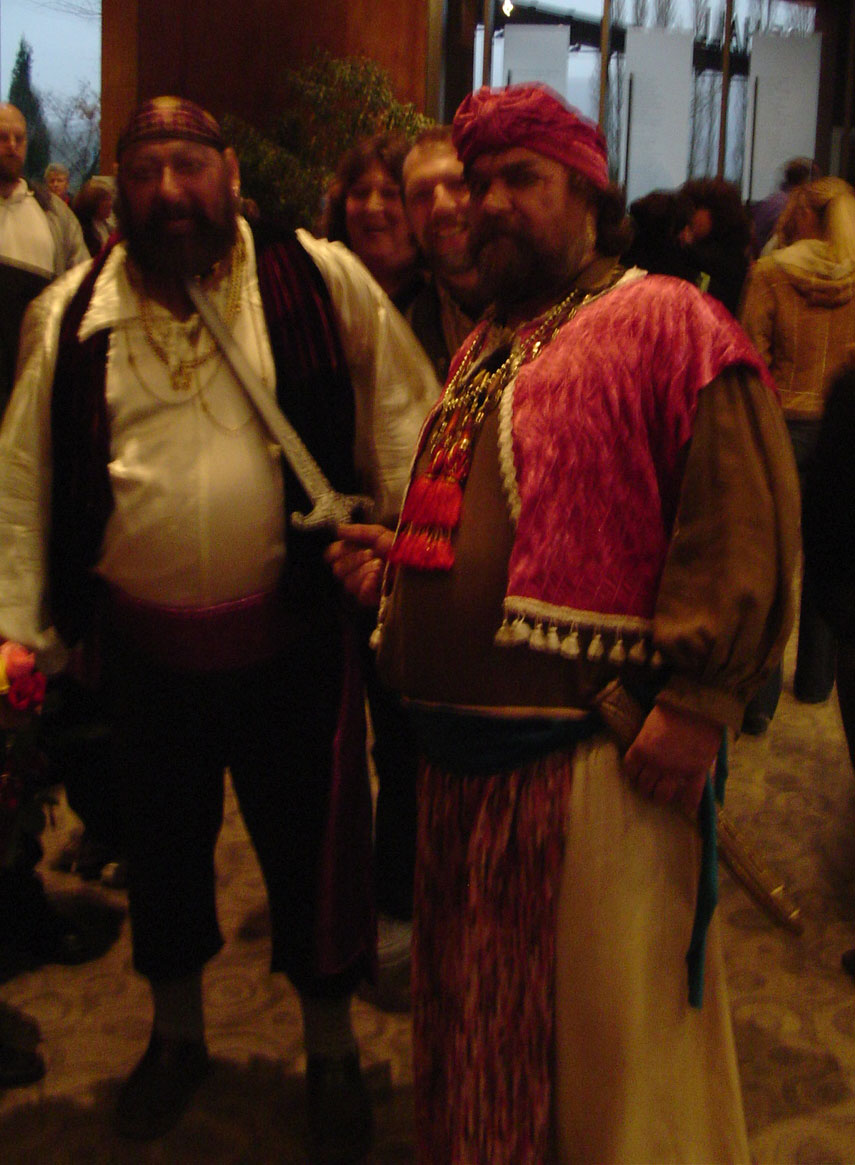
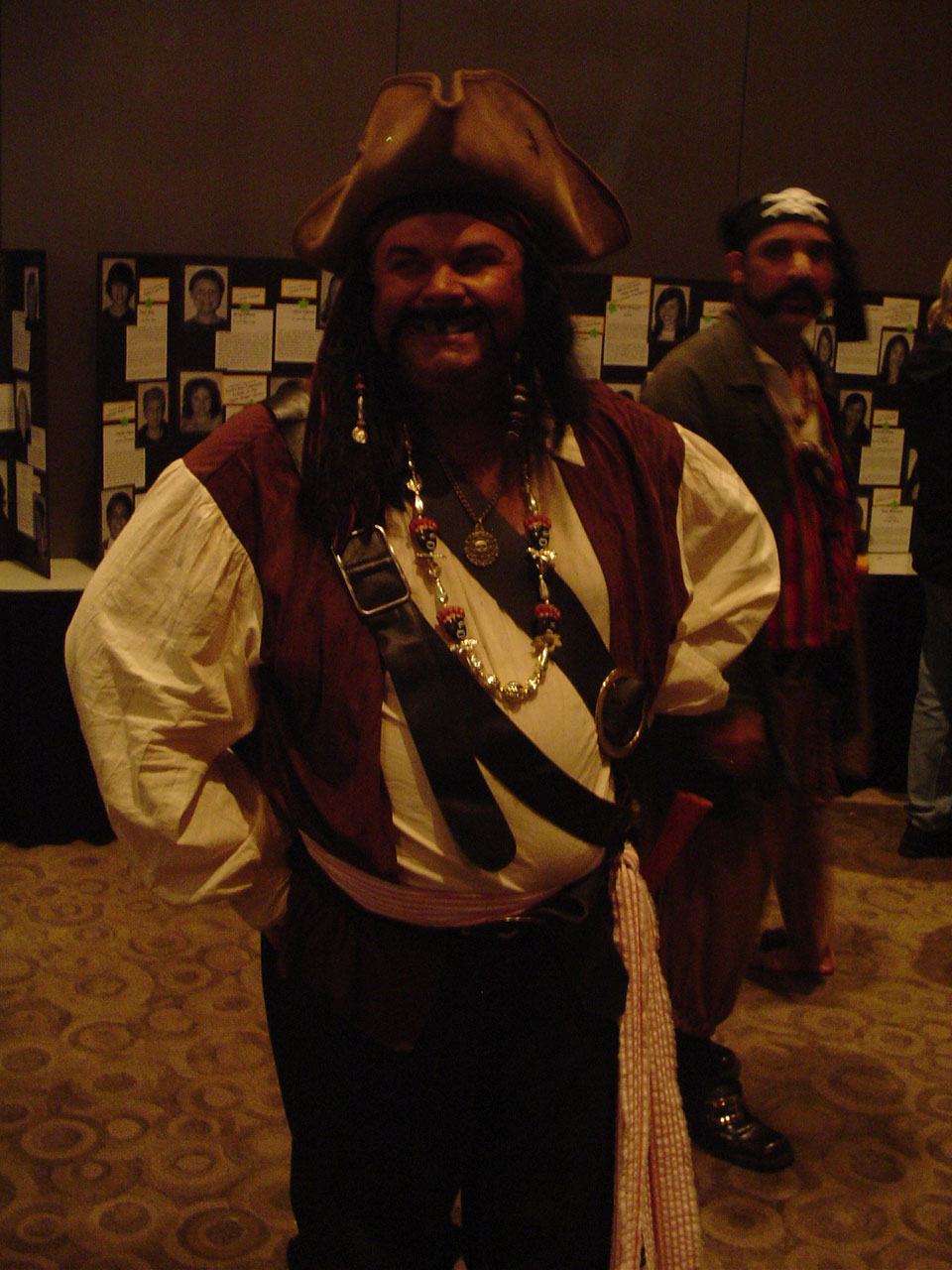
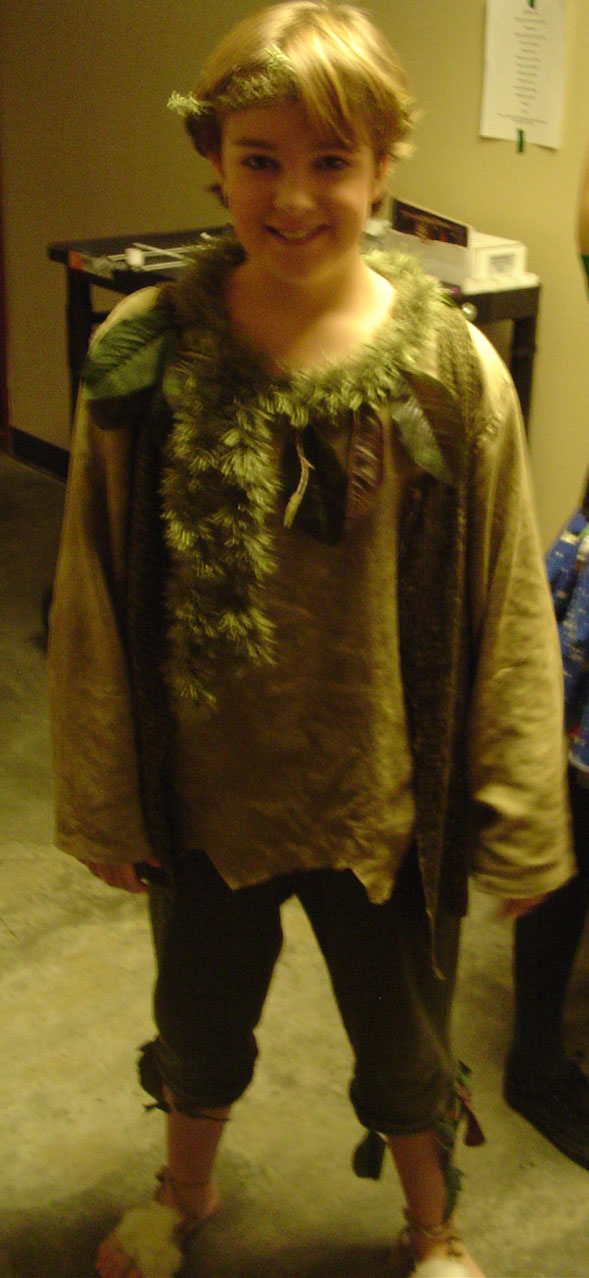
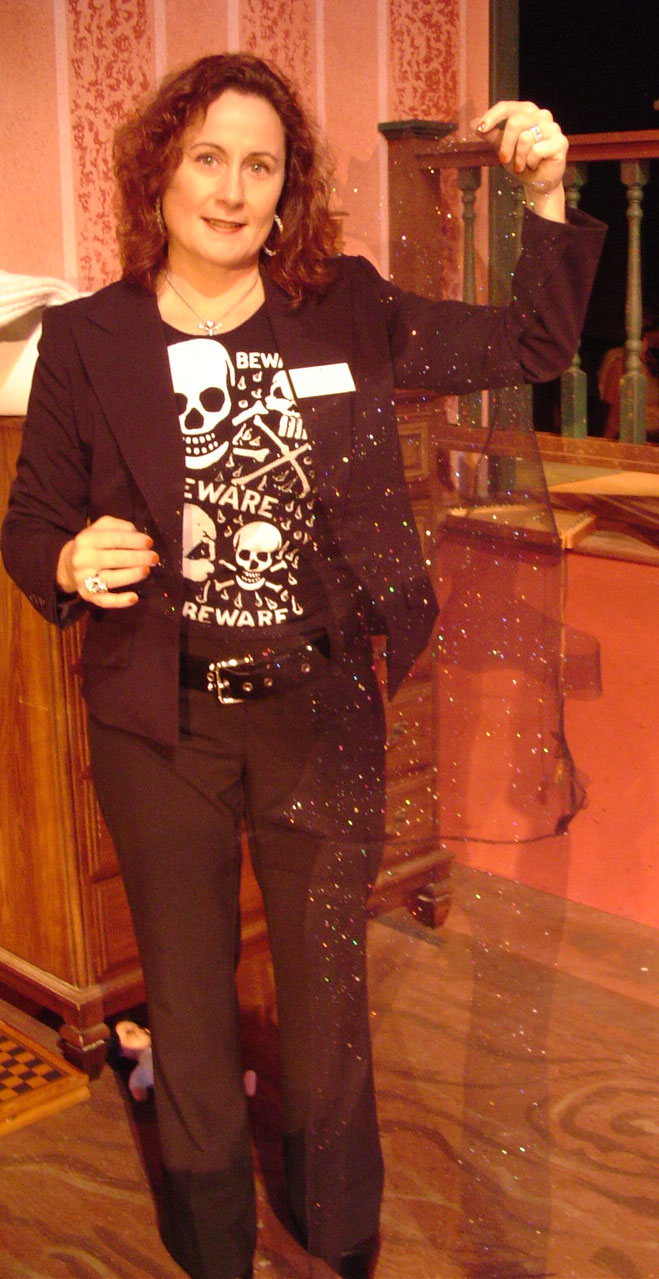
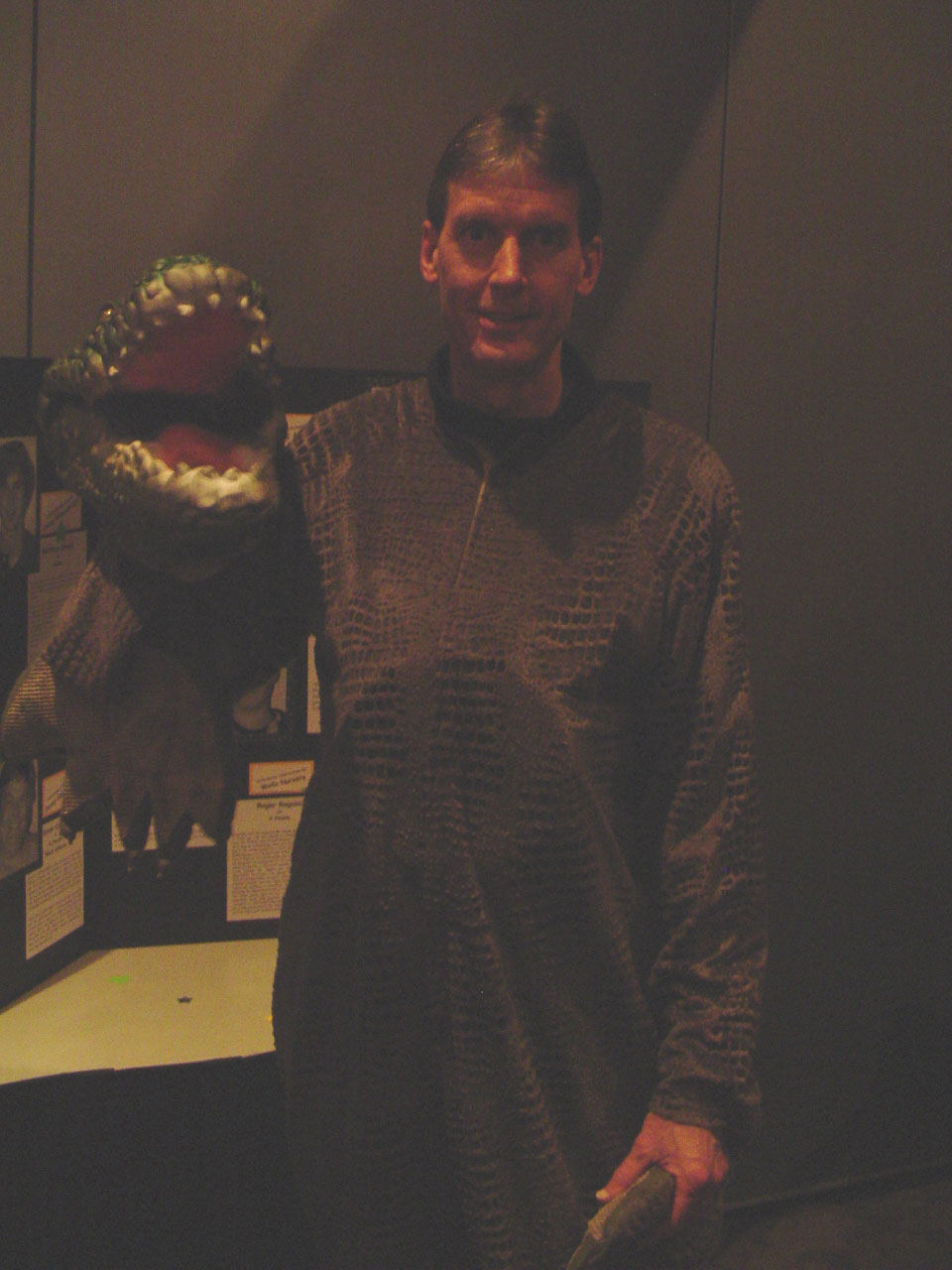
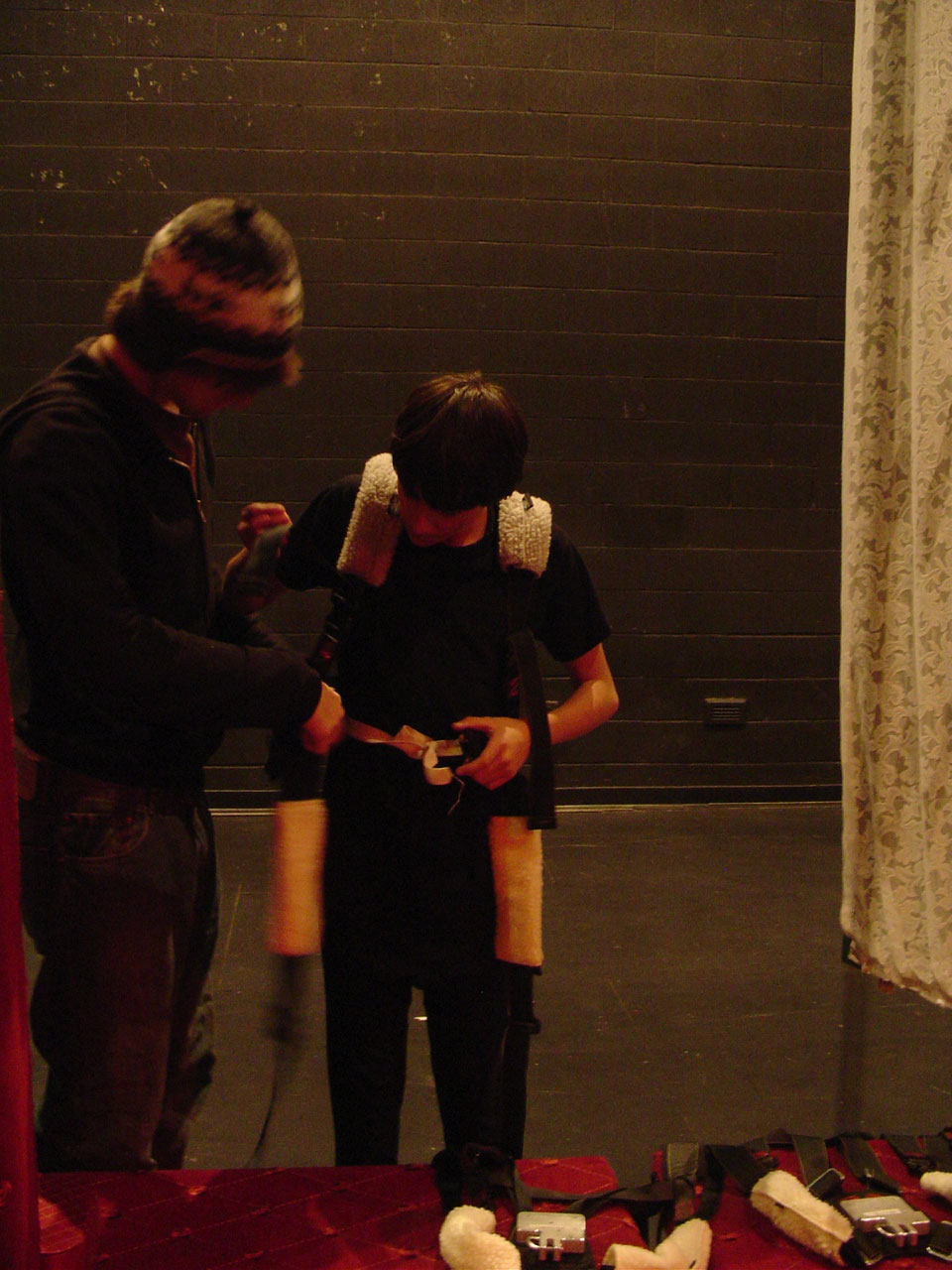
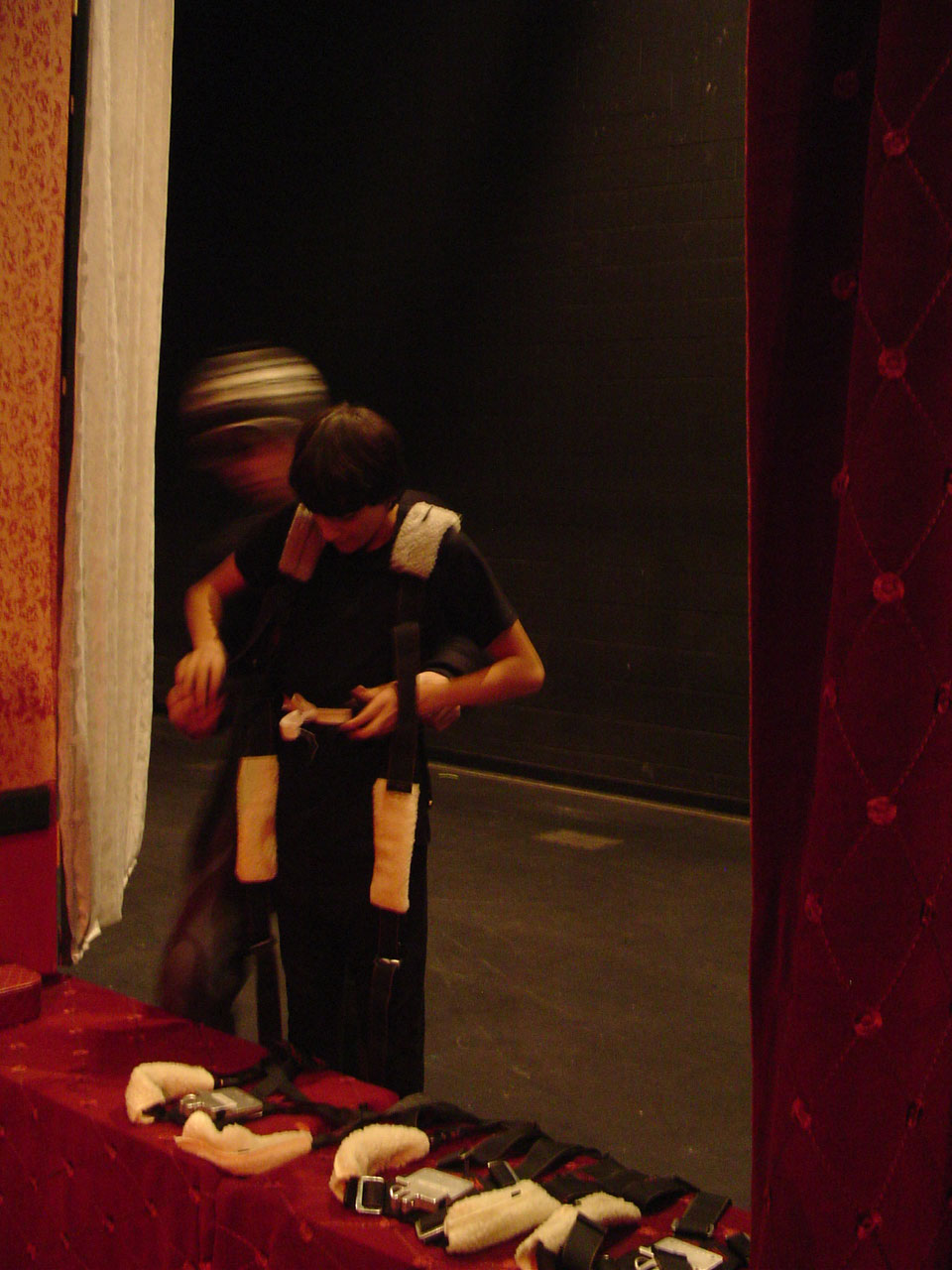
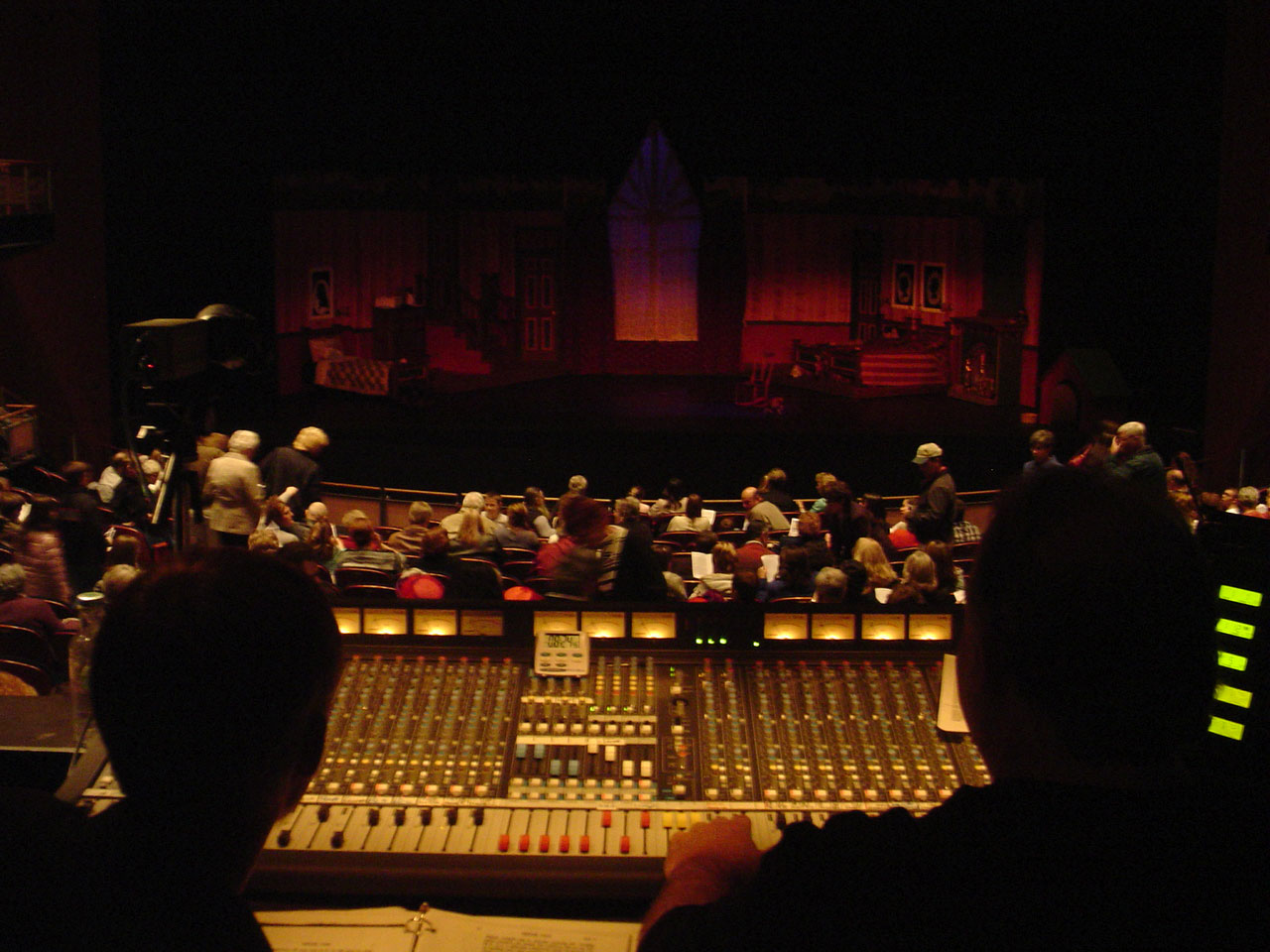
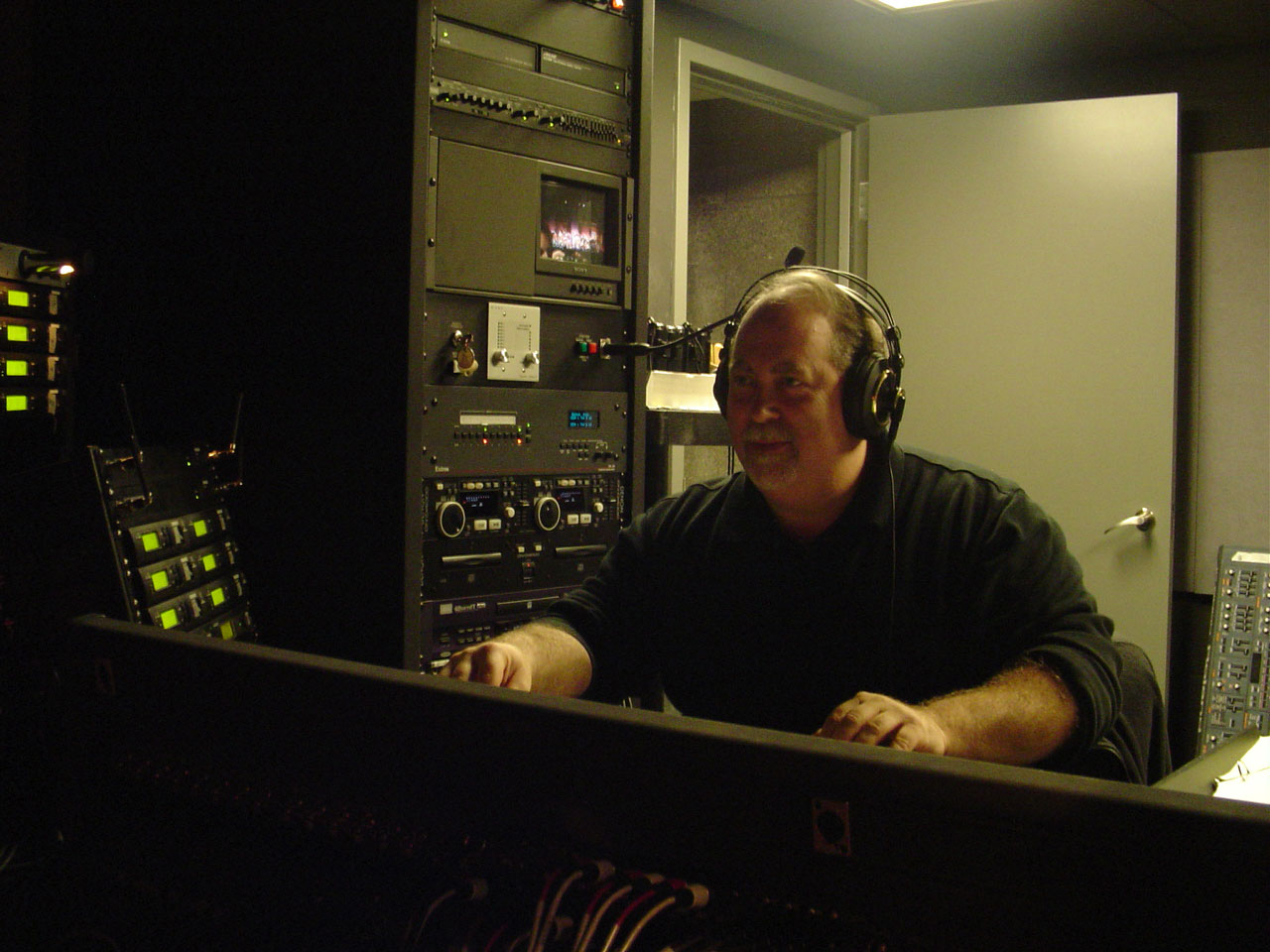
Thank you to Brian Hurst for doing website vocal overdubs for me. We were recording overdubs for a production of Peter Pan; he plays Captain Hook in the show. His Hook accent is just too much fun not to use for other things. I’ll keep the overdubs up for a while until I get too many complaints.
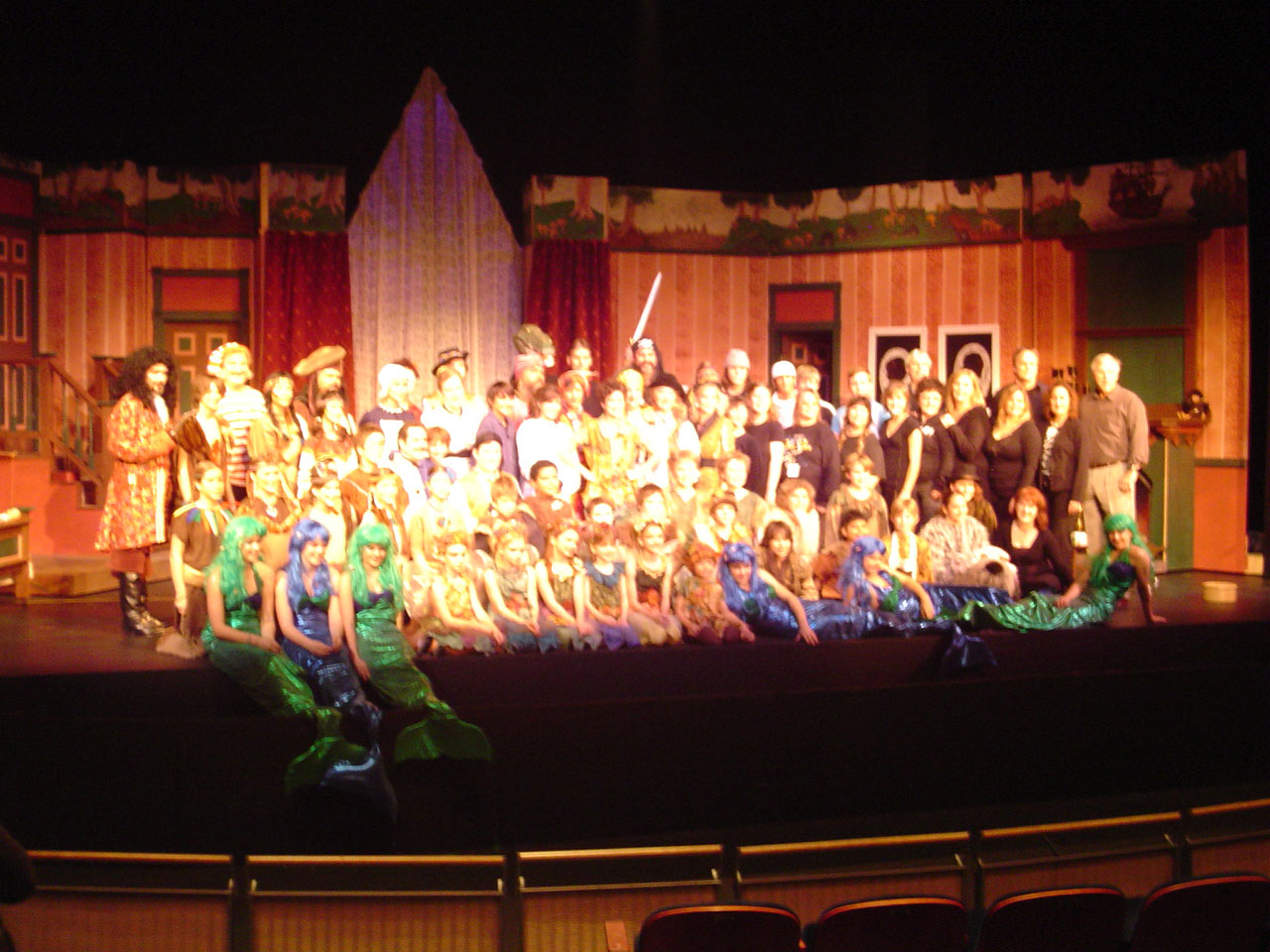
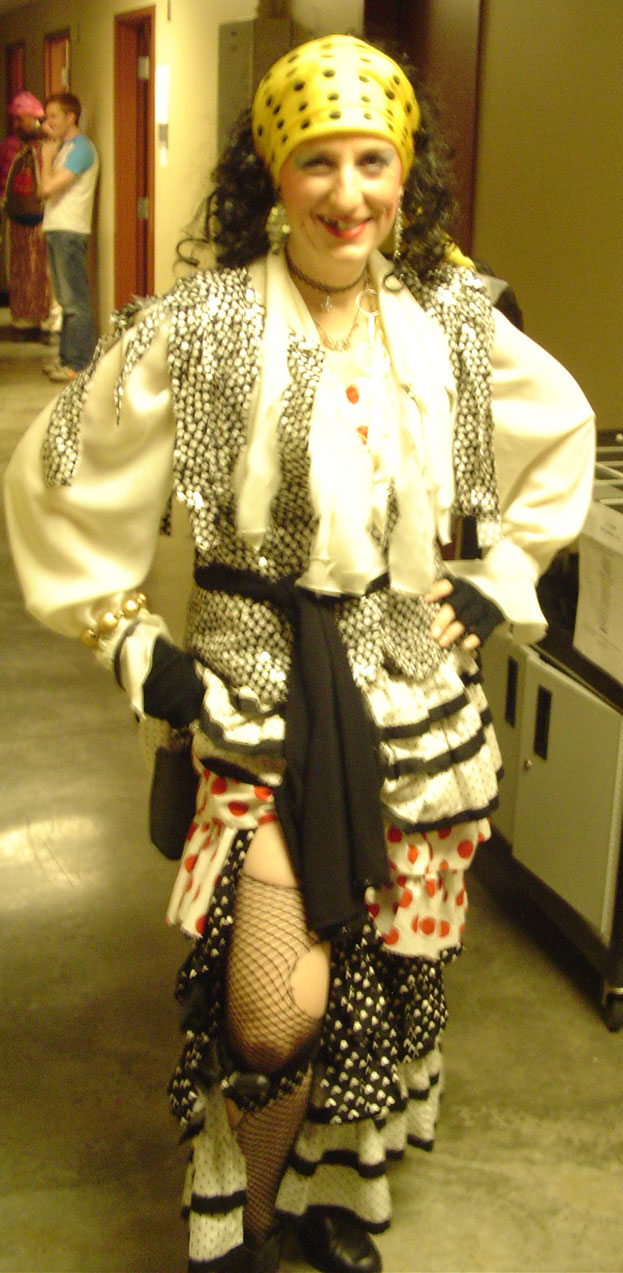
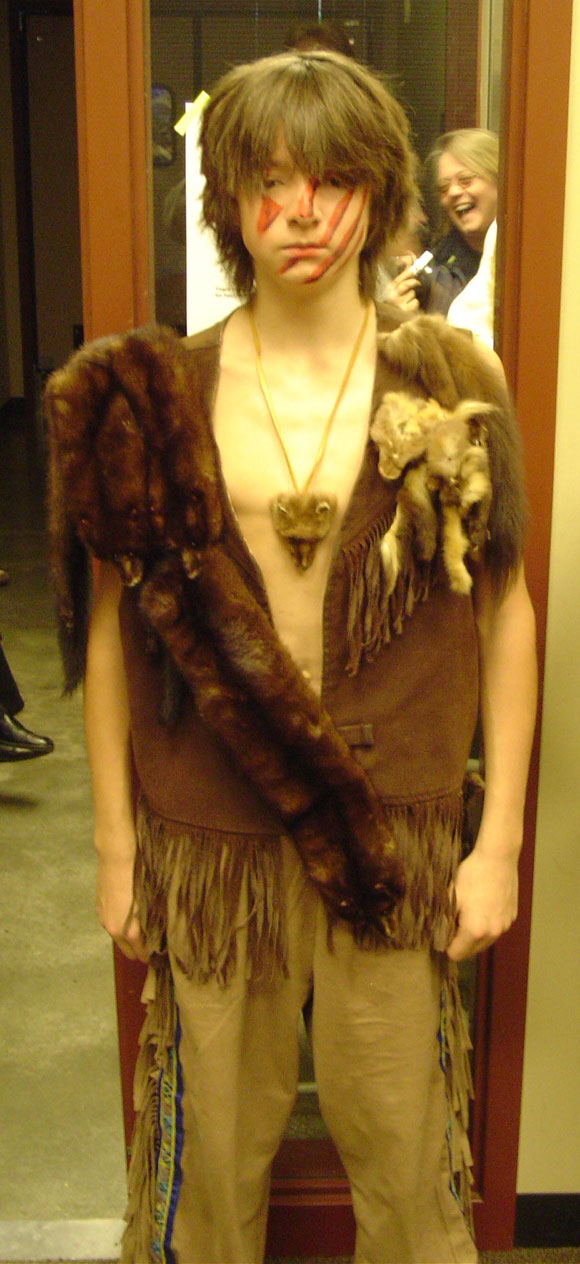
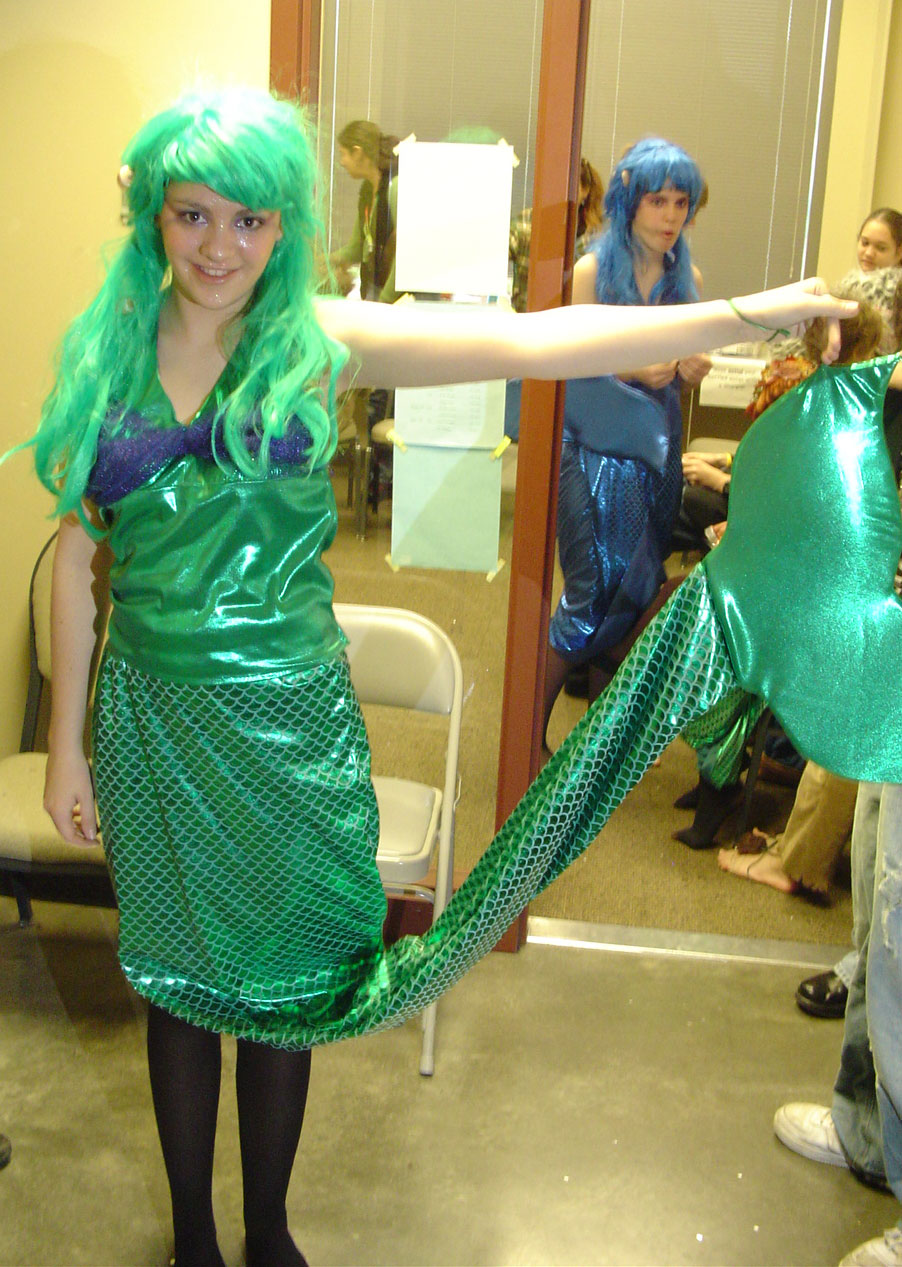
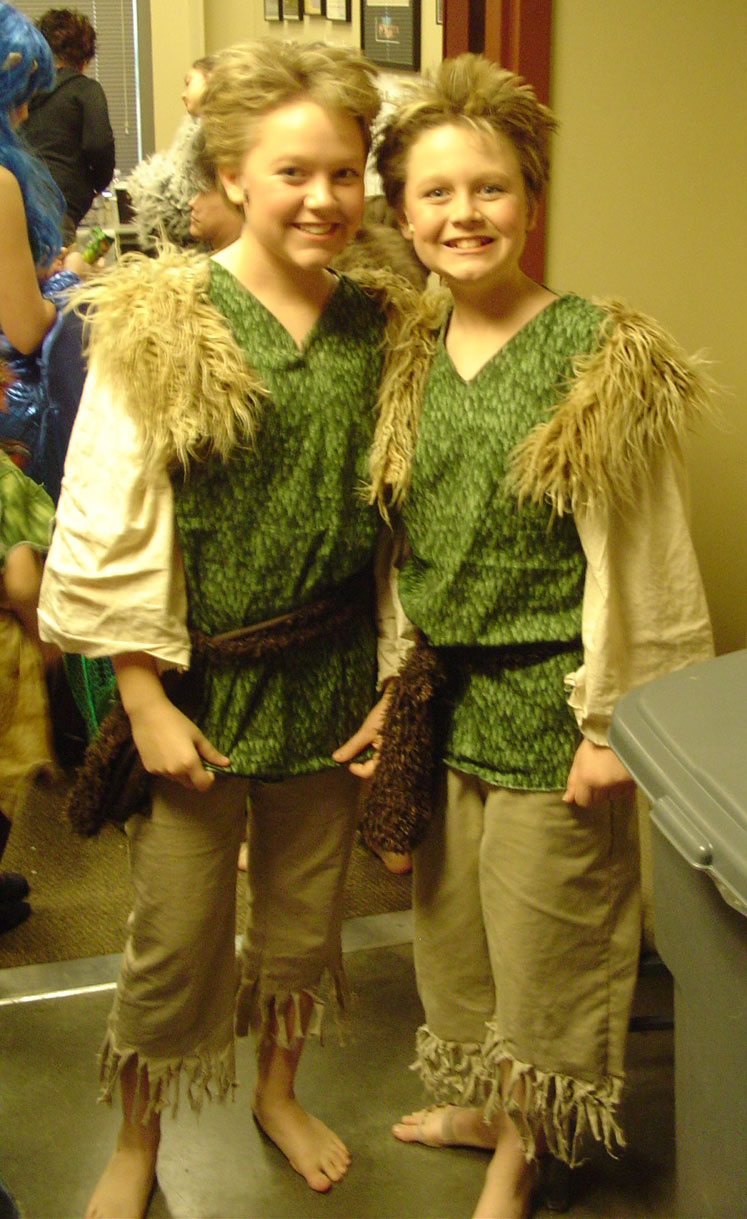
And for the record, Brian Hurst is the ULTIMATE Captain Hook actor. Pretty incredible. Check my Peter Pan section for pictures from the show.
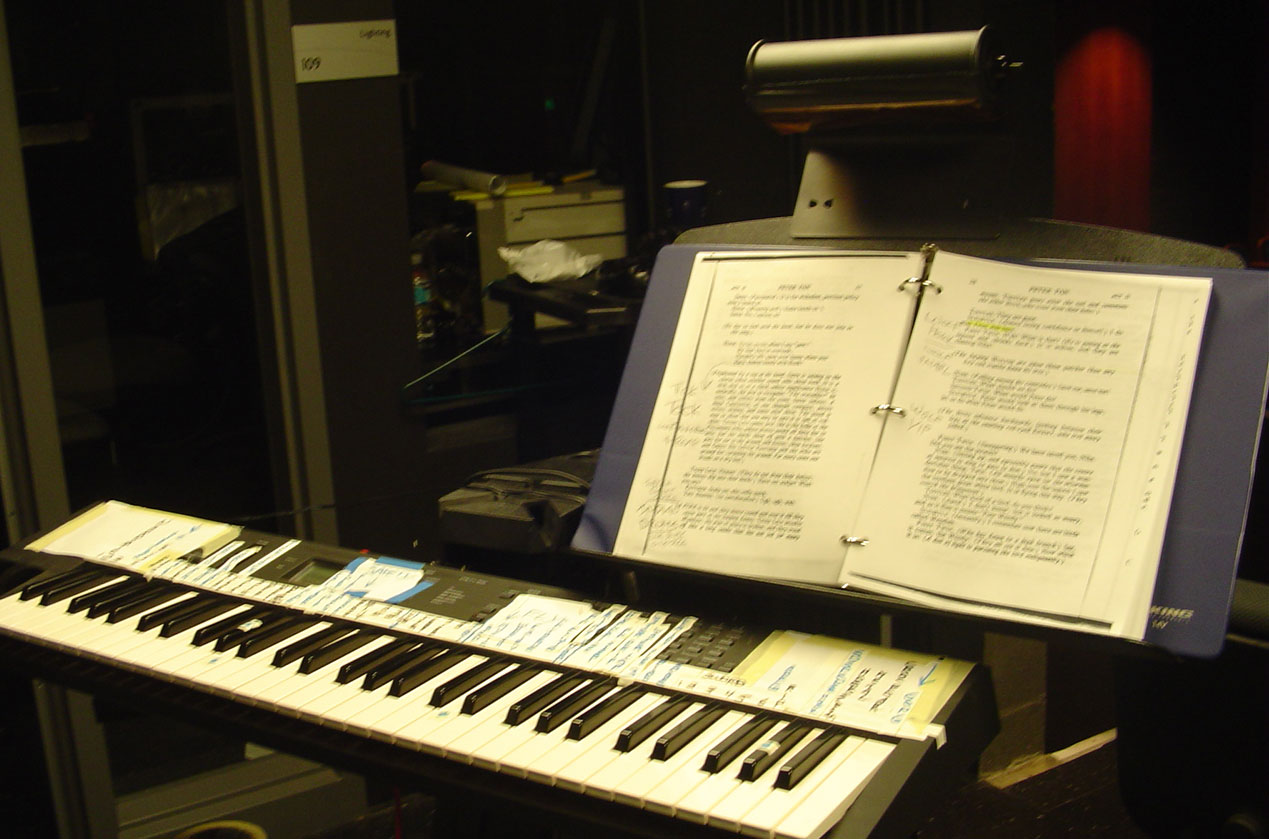
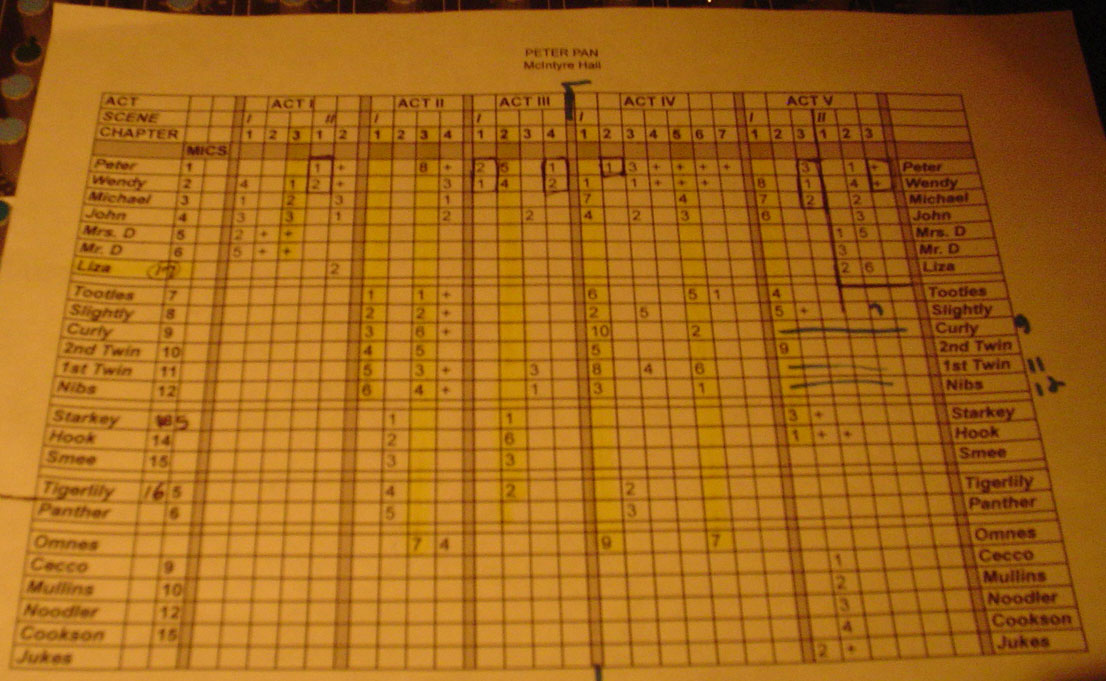
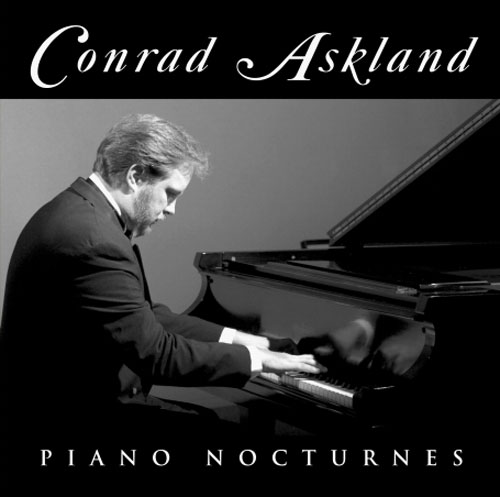
My Piano Nocturnes! I had forgotten about them. While doing sound effects for Peter Pan I needed a melancholy lullabye played on piano for the final scene – didn’t quite have time to compose a piece for it and then I remembered: The Nocturnes!
These were all improvised live in a church sanctuary deep in the night. These are my original pieces. One starts off like Moonlight Sonata, but takes a different path.. You will definately hear the Bach influence on the pieces. I am very proud of them and if you don’t like them, then you are a stinky codfish.
My favorites are #1 and #2 – I put them first so I wouldn’t have to waste time on the CD to hear them.
My friend Deb Carole sat in the Sanctuary while I played these and would give me input. It was a great evening and a memory I treasure. I improvise a lot like this late at night in a sanctuary, but this is the only time I recorded. Someone asked me recently if I ever practice at church late at night and just go nuts. The answer is yes, all the time. When I’m finished it’s a feeling like no other, always a feeling of peace and serenity – like what a Marathon runner must feel after a good workout.
My favorite is to do Bach style improvisations, they get very fast and would probably not please most ears I think. But at those times I don’t have to play for anyone else, just me and Thee.
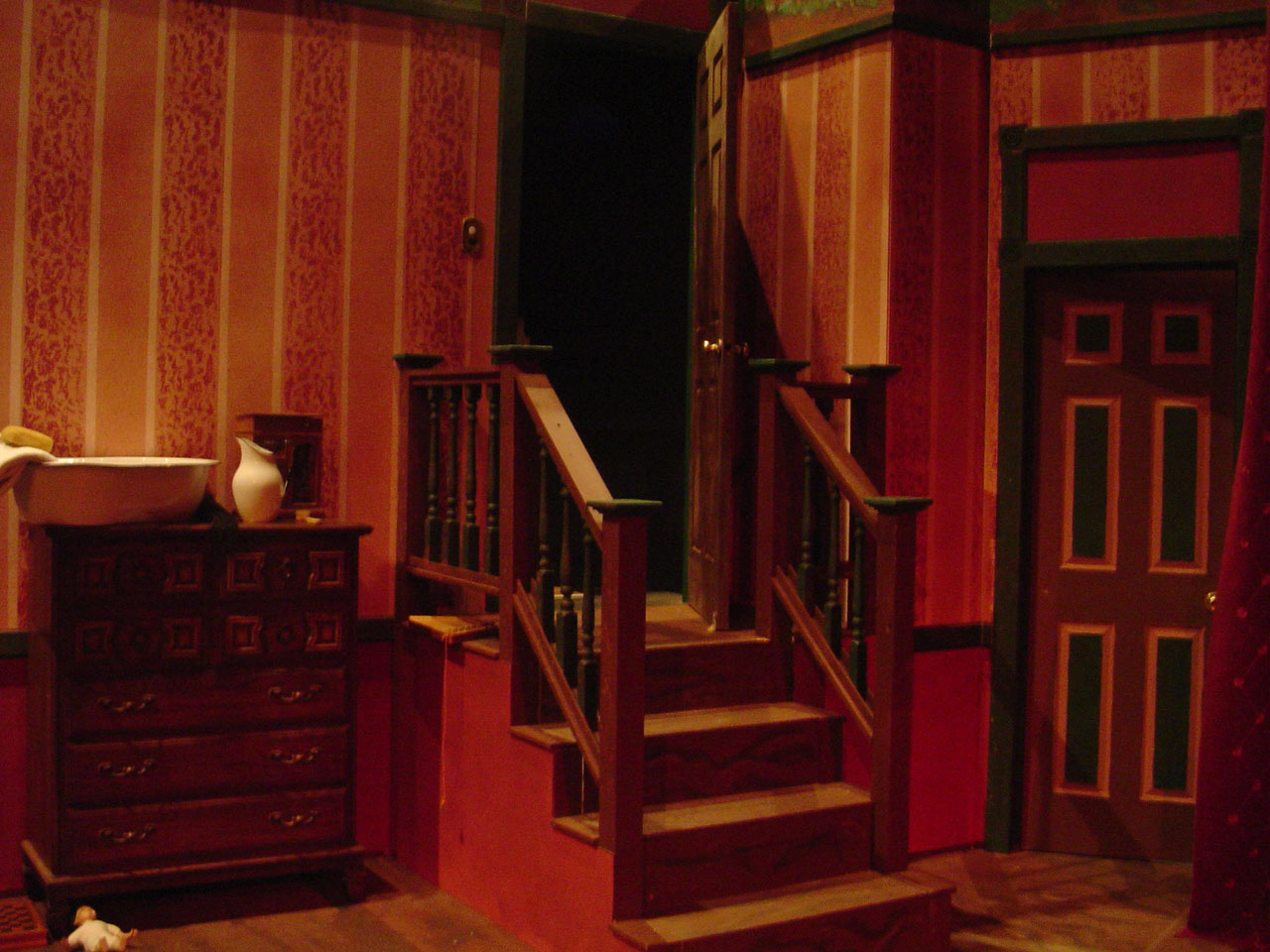
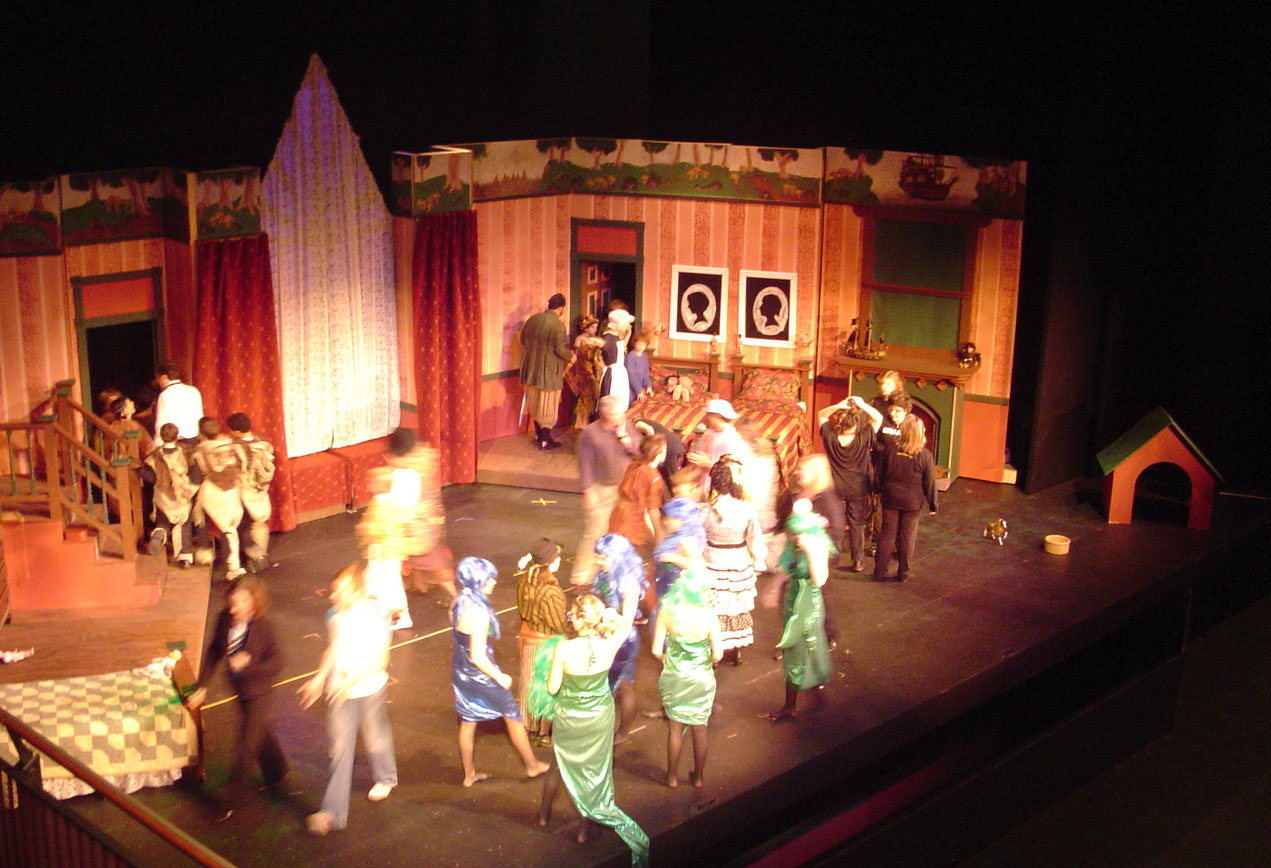
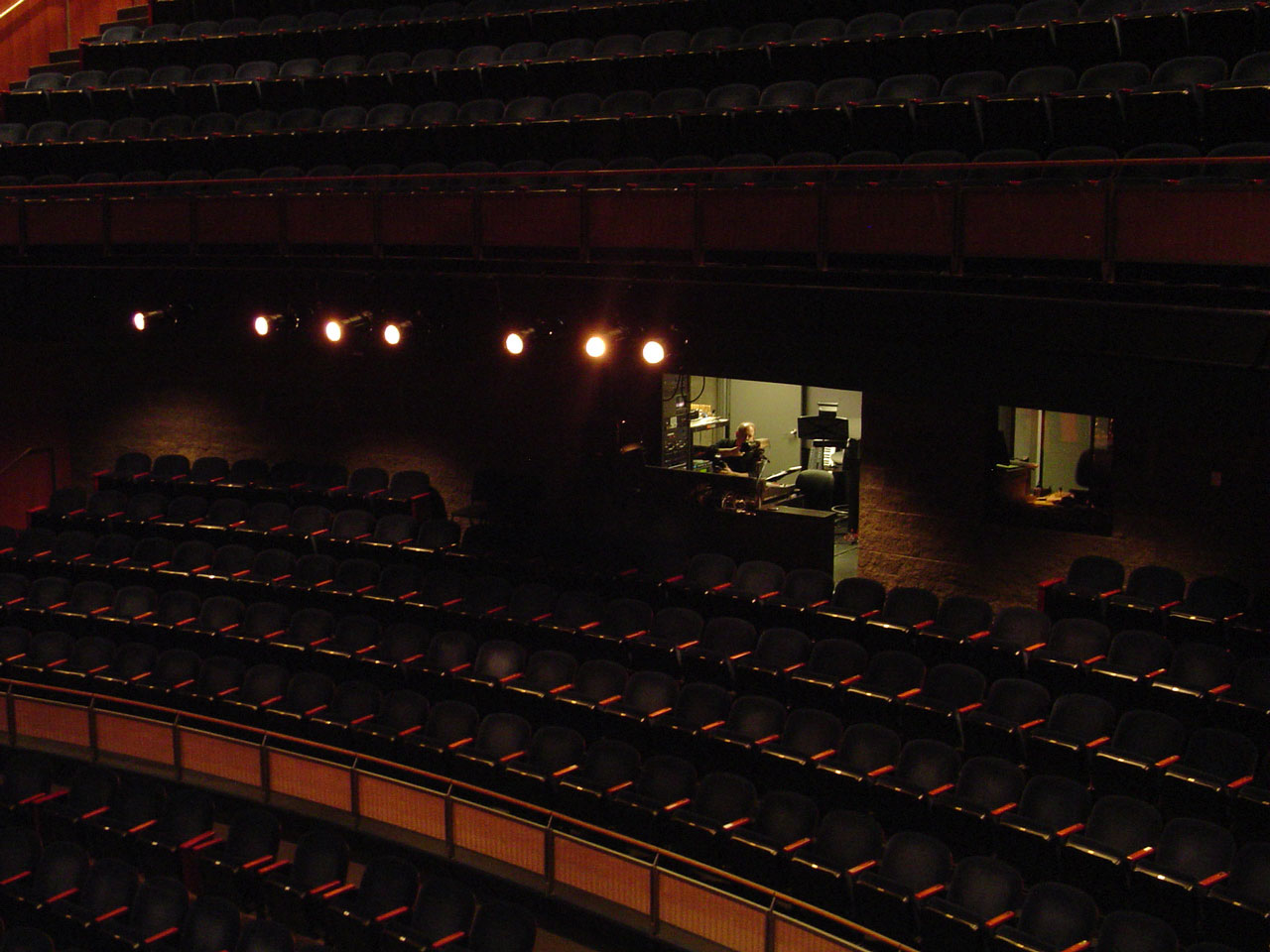
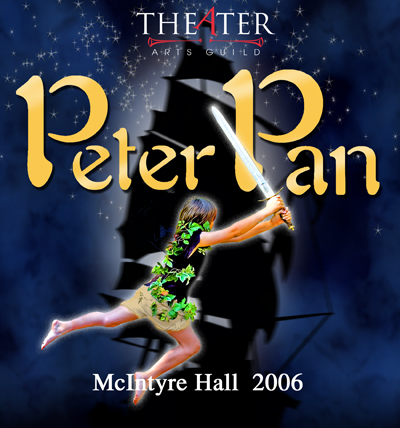
Peter Pan – Presented by the Theater Arts Guild (TAG) at McIntyre Hall (Mount Vernon, WA), November 17-26, 2006.
Flying effects by ZFX, Inc.
.
CAST – In order of appearance
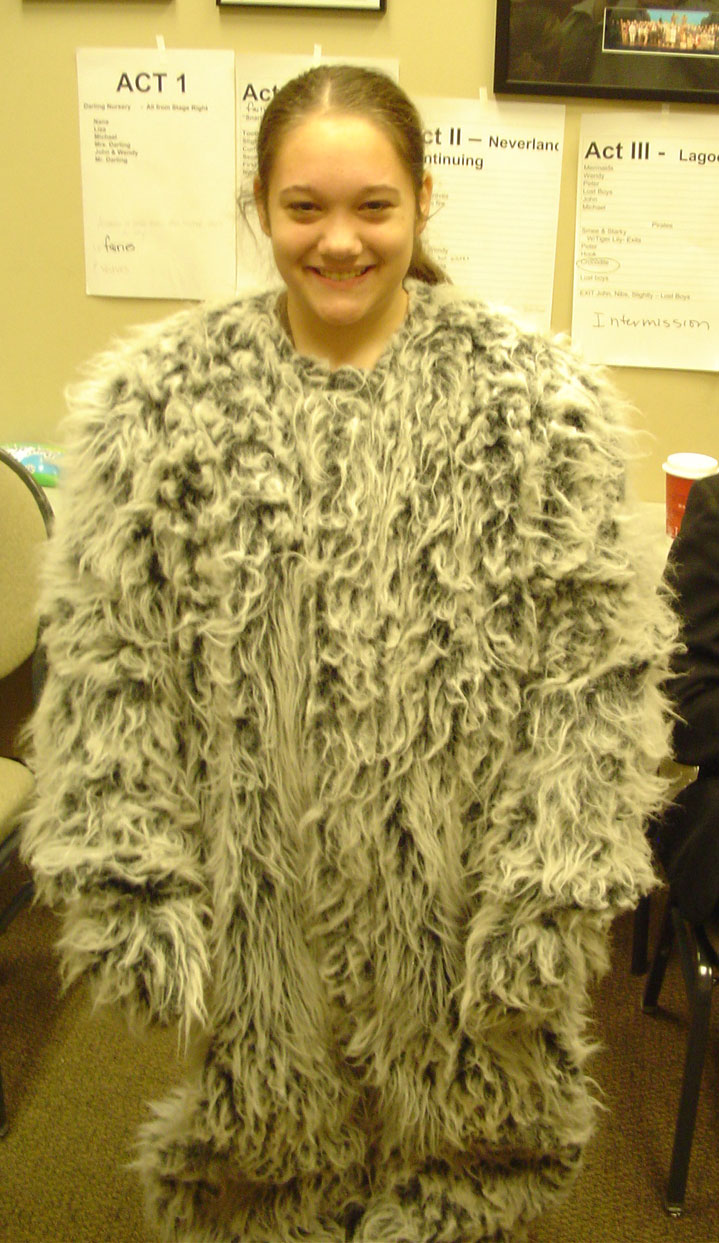
NANA – Hydee Garman
Michael Darling – Alyssa Nelson
Mrs. Darling – Nicola Pearson
John Darling – Alex Ragusa
Wendy Darling – Taylor Frizzell
Mr. Darling – Brian Young
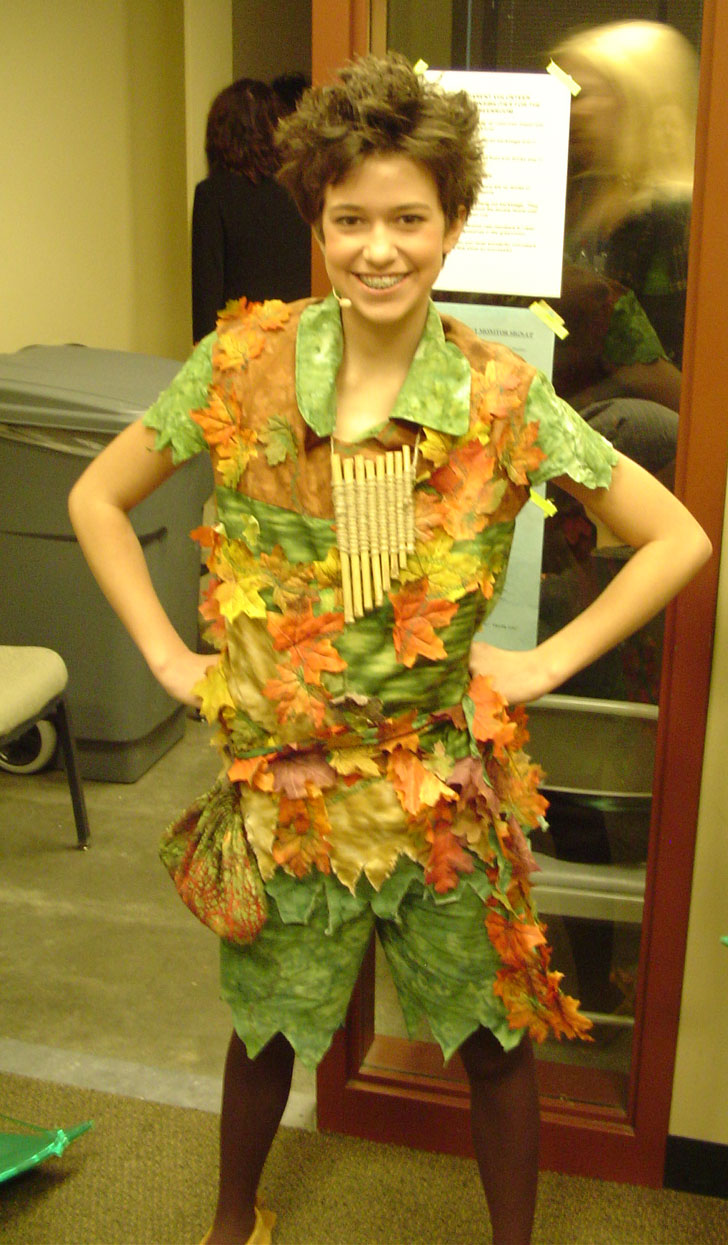
Peter Pan – Sarah Tsinger
Tinker Bell – Carly Stewart
Liza – Andrea Talley
Faires – Molly Frahm, Connor Nelson, Corin Pierce, Kaytin Rooney, Sophie Stewart
Wolves/Audience/Cabin Boys – Eva Givens, Hayden Idom, Gus Kidane, Trevin Rudy
Lost Boys – Emma Eliason, Cameron Frahm, James Matson, Jason Miller, Annie Murray, Alice Pollock, Greg Pollock, Reid Wells
Captain Hook – Brian Hurst
Smee – James Lindsey
Gentlemen Starkey – Brian Young
Cecco – Thomas Young
Billie Jukes – Brydie Landreth
Noodler – Jeff Huschka
Mullins – Matthias Struck
Cookson – Pete Grace
Pirates – Kevin Cobley, Susan Cook, Nathan Hamer, Kraut, Roger Ragusa
Pirate Wenches – Kathy Dean, Ann Klitzke-Nelson, Susan Watson
Tiger Lily – Felisha Palomera
Panther – Stefan Vanden Kooy
Warriors – Mikalah Barem, Shelby Burkhart, Rose Drummond, Rachel Huschka, Madison Idom, Maria Matson, Francesca Ragusa, Lourdes Young
Mermaids – Alisha Anderson, Ann-Kristin Becker, Sarah Damstra, Demi Fair, Chloe Roberts, Rachael Young
Crocodile – Dave Needy
Older Wendy – Alisha Anderson
TECHNICAL CREW
Producers – Ellen Palmer, Bruce Vilders
Director – Dianne Goddard
Assistant to Director – Kathy Dean
Stage Manager – Brian Paxton
Assistant Stage Manager – Emma Lynn
Set Coordinator – Steve Craig
Technical Director – Don Willcuts
Carpenters – Philip Brown, Steve Craig, Howie, Don Willcuts
Costume Designer – Cathy Pfahl
Light Designer – Seajay Winters
Sound Designer – Jerry Fortier
Sound Effects Designer – Conrad Askland
Prop Designers – Shari Lindberry, Carole Lindberry, Fred Hastings
Make-up Designer – Seajay Winters
Tinkerbell Engineer – Martha McDade
Sound Engineer – Adam Lynn
Light Board Operator – Steve Fisher
Spot Operator – Wes Furlong
Paint Crew – Howie, Carrie James, Dave James, Sharon Litton, Suzanne McLamb, Norman Rogue, Ellen Palmer, Dorothy Peth, Jen Spence, Bruce Vilders, Seajay Winters
Fly Rail Crew – Spencer Desmarais, Howie, Dave Mumford, Nate Young
Running Crew – Spencer Desmarais, Alisha Huschka, Suzanne McLamb, Jim Nelson, Kelly Pollino, Emily Watilo, Wes Furlong, Jordan Lange
Aerial Crew – Spencer Desmarais, Jim Nelson, Roger Ragusa, Matt Struck, Dave Mumford, Nate Young
Costume Crew – Jann Barem, Jill Eliason, Lu Parker, Leslie Crawford, Anne Clarke, Cast and their families
Volunteer Coordinator – Ann Klitzke-Nelson
Fight Choreographer – Bruce Vilders
Aerial Choreographer – JoAnne Craig
Warrior Choreographer – Lourdes Young
Poster Design – Scott McDade
Bio/Underwriting Boards – Jann Barem and Mikalah Barem
Flying effects provided by ZFX, Inc.
Thank you to Russ Morgan from ZFX
2006 Theater Arts Guild
BOARD OF DIRECTORS
Cathy Pfahl – President
Scott McDade – Vice President
Ellen Palmer – Secretary
John Cheney – Treasure
Harold Paige
Conrad Askland
Molly McNulty
Ann Klitzke-Nelson
Susan Watson
Brian Paxton
Carl K. Turner
Jane E. Skinner
Roger Ragusa
Jann Barem
Bruce Vilders
Eileen Butler
Pat Shreve
Karen Marshall
Dianne Goddard
Clarence Holden
Autoplay of audio files has long been considered bad form for websites, but I just can’t help myself. It’s just too fun. I’ve set a piece to play at the entrance of my site and will setup a short audio sample to play on the front of my blog.
You don’t have to embed in a flash player, and you can call up whatever audio format you want (.wav, MP3. .ra, etc.). If you are super evil like me you can set the file to “hidden – true” so no one can turn the music off. My front page is a splash page so if people don’t like the song they can always click to another section.
Here’s the code to autoplay MP3 audio music files on your website page:
*********************
NOTE: You will need to put a “<” at the beginning of code and a “> ” at the end. I couldn’t post it with the tags because my blog think’s it is HTML code (which it is).
Autostart – is to automatically start the song playing.
Hidden – is setting for audio controls.
If control is hidden then dimensions are not shown anyway.
Replace URL with exact location of your audio file.
Check out the Online Pitch and Hearing Test by Jake Mandell. It’s fun and very difficult. Over 15,000 have taken the test online, so you can see how your ears fair against other people.
No, I’m not going to post my score – because like most other people I’m embarrassed by my score. In order to retain my musical dignity I need to point out the obvious – that the tones used in this test are not timbres and patches normally encountered in music production or performance.
.
ABOUT JAKE MANDELL AND THE TEST
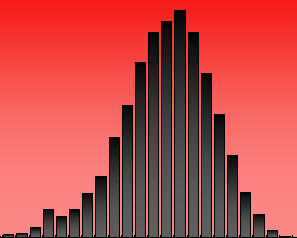
While working at the music and neuroimaging lab at Beth Israel/Harvard Medical School in Boston, I developed a quick online way to screen for the tonedeafness. It actually turned out to be a pretty good test to check for overall pitch perception ability. The test is purposefully made very hard, so excellent musicians rarely score above 80% correct. Give it a try!
In our research, we were looking for neuro-anatomical correlates of tonedeafness (called “congenital amusia” in the scientific literature. We gave several dozen subjects a high-resolution MRI scan and used a statistical package to analyze the images. This technique, called VBM (voxel-based morphometry), has been used to study the changes in the brain caused by Alzheimer disease and many other neurological conditions. The test you are about to take was used as a screening test to roughly characterize patient’s pitch discrimination and musical memory abilities. Even though musical memory is strongly tested here, we have found that people who are tonedeaf tend to have normal musical memories.
ABOUT JAKE MANDELL
I am currently a medical student at UMass. I have a musical background, having composed several electronic music albums under my own name. I formerly worked in Berlin, Germany, for Native Instruments, and was involved with the Reaktor and Absynth instruments. On the medical side of things, I am interested in using radiological technologies, such as anatomical and functional MRI, to investigate musical perception.
Peter Pan opens at McIntyre Hall (Mount Vernon, WA) on November 17, 2006 for a two week run. More info at the Theater Arts Guild website. Peter Pan will fly and battle Captain Hook!
Tickets: 360-416-7727 www.mcintyrehall.org
Friday Nov 17 7:30 pm
Saturday – $10 bargain show* Nov 18 2:00 pm
Saturday Nov 18 7:30 pm
Sunday Nov 19 2:00 pm
Wednesday – $10 bargain show* Nov 22 7:30 pm
Friday Nov 24 2:00 pm
Friday Nov 24 7:30 pm
Saturday Nov 25 2:00 pm
Saturday Nov 25 7:30 pm
Sunday Nov 26 2:00 pm
*Important Bargain Show Limitations: Festival Seating. No Advance Sale. Tickets are sold at the box office ONLY, 2 hours prior to show time.
Road Records is back open again after a very long hiatus. The gear was brought up from California back in August and it’s all setup, but I kind of kept it a secret because I was enjoying working on my own projects. I’ve signed contracts on the first Road Records album to be produced iup here in Washington, so I guess it’s officially open now. Visit the Road Records recording studio website.
I won’t be advertising, will just be word of mouth. I’m happy to work on any original music, corporate soundtracks, film scores, remixes – basically anything that’s original and creative. No demos, karaoke, duplication or cheezy things of that sort this time around. Just serious original music.
The studio is set up very well for doing complete orchestral soundtracks and hip hop music. The work that I’m REALLY into is working with solo artists and songwriters on CD projects, doing soundtracks for video and film, sound effects and specialized foley for theatre, and working on new music works for church and theatre.
Many artists contact me to help with promotion, but that’s not my thing. I’m into audio production.
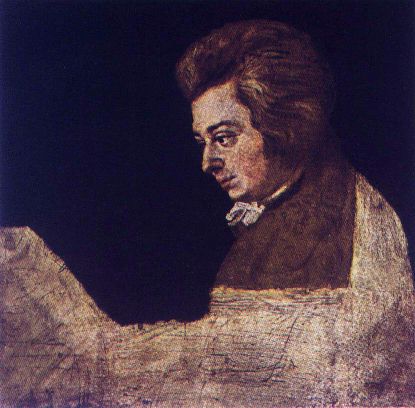
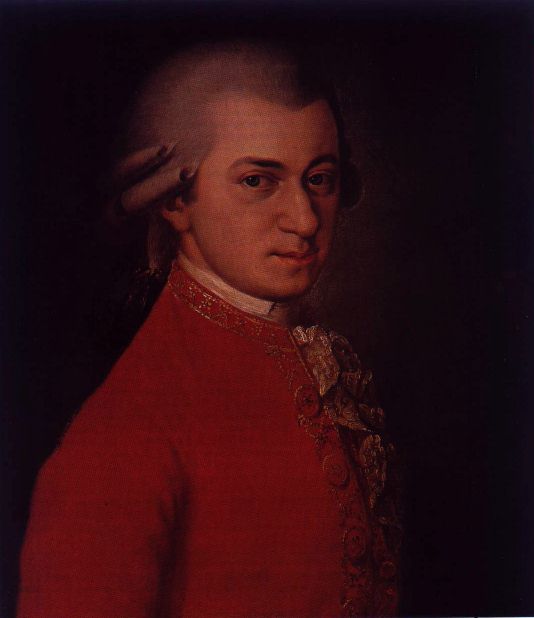
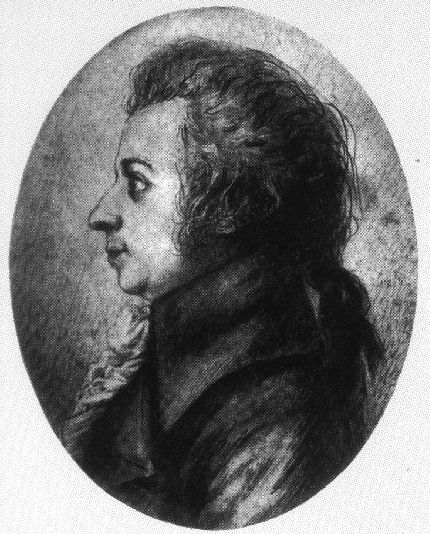
Ave Verum Corpus by W.A. Mozart – MP3 Sample, Free Sheet Music Download and History. Motet in D, “Ave verum Corpus” (K. 618) – Composed in June 1791 by W.A. Mozart. He would die on December 5, 1791.
While working on this post I have listened to Mozart’s Ave Verum Corpus about a dozen times. I have heard this piece hundreds of times in my life, and each time it becomes a little more beautiful to me. It is my absolute most favorite piece ever written. If I could only listen to one musical work for the rest of my life, this would be it (and I would have few complaints about that!).
httpv://www.youtube.com/watch?v=6TfAyX8l5-g
Enjoy the free sheet music download of Ave Verum Corpus. It also includes the middle two bar interlude which to my ears is correct (some editions only have a bass continuo line).
I sang this piece as a boy soprano with the Northwest Boychoir in Seattle, WA. This Sunday I am leading our church choir in Ave Verum Corpus for our service. At our rehearsal tonight (somewhere in the Bible it must be written that church choir rehearsals have to be on Wednesday nights!) the choir was so absolutely beautiful in their final run through I was nearly brought to tears. I would not let them sing anything after that – why? There is nowhere to go after hearing Ave Verum Corpus sung well. It is THAT powerful.
At a glance I can see the theory of the piece easy enough – but when coupled with a reverence for the text; I know of no piece more powerful than this. To say “his side was pierced and out flowed blood and water” in one line, and a few paces later to say “to give us a foretaste of death”, or more properly “to give us an examination of the death experience” – AND THEN to know that WA Mozart wrote this piece within six months of his own death. Let this settle on you for a bit.
When all things are stripped away and we are at our core, we have the beauty of our relationships and the base denial and unbelief of our own eventual death. Which of us can truly accept and admit our own pending death? Not in passing, but to absorb that thought. I actually think it is beyond the scope of our imagination. But we have a composer like WA Mozart who can create a piece so powerful and solemn that we are humbled to our knees to accept the fact – and perhaps to bend our thoughts to the sublime mystery of Christ’s crucifixion.
Working with our choir has given me a rebirthed passion for this piece. In rehearsal we are able to think about the slow passing of each line of text, and how we want to express each syllable, word and phrase. It is how I think a sculpture must feel – slowly chipping away til the art takes form.
And as our church choir works on each minute detail to make this piece our best, as countless choirs have also done on this piece for two centuries; I start to smile as I realize this is our worship, the musician’s time to worship, the way we relate to the mystery of the Trinity and our mortal coil – our worship takes place between the notes as we practice and work. It is delicate as a flower.
HISTORY OF AVE VERUM CORPUS Ave verum corpus is a short Eucharistic hymn dating from the 14th century and attributed to Pope Innocent VI (d. 1362), which has been set to music by various composers. During the Middle Ages it was sung at the elevation of the host during the consecration. It was also used frequently during Benediction of the Blessed Sacrament.
The hymn’s title means “Hail, true body”, and is based on a poem deriving from a 14th-century manuscript from the Abbey of Reichenau, Lake Constance. The poem is a meditation on the Catholic belief in Jesus’s Real Presence in the sacrament of the Eucharist, and ties it to Catholic ideas on the redemptive meaning of suffering in the life of all believers.
AVE VERUM CORPUS by W.A. MOZART In April of 1791, Leopold Hofmann, who was Kapellmeister at St. Stephen’s Cathedral in Vienna, fell gravely ill. Mozart, who had never been an avid composer of sacred music, nonetheless saw an opportunity to enhance his income, and maneuvered to succeed Hofmann. Towards this end, he turned his attentions again to sacred music, culminating ultimately with his Requiem. (As it happens, Hofmann survived Mozart, and died in 1793.)
Mozart set the Eucharistic hymn Ave verum corpus in June 1791. This setting was dedicated to his friend, Anton Stoll, who was chorus master of the parish church in Baden, and it was first performed in Baden at the Feast of Corpus Christi.
It is possible that Mozart set this hymn, mindful of the Imperial ban on elaborate concerted music, or it is possible that he was working with the limitations of Stoll’s choir. One way or another, his setting is remarkable for its compact simplicity. There are a mere forty-six bars of music, with orchestral writing that serves to provide introduction, transition, and ending, and double the choral parts. The choral setting is simplicity itself, with the choir mostly singing the same text at the same time. This direct approach would suited a reform-minded Austria where textual clarity and brevity were all-important in church music.
Mozart’s setting is far from pedestrian or undistinguished. (It actually isn’t even complete; the text below includes the last two verses, which Mozart omitted from his setting.) There is an unusual modulation from D major to F major at the text, “whose side was pierced, whence flowed water and blood,”, and the simplicity is the sort that Artur Schnabel famously described as too simple for children and too difficult for adults (after all, simple music like this exposes any lapses of rhythm, intonation, or ensemble). And the music seems to encompass a universe of feeling in forty-six short bars.
Ave Verum Corpus – W.A. Mozart
Latin Text and English Translation
Ave / verum / Corpus, natum / de / Maria / Virgine:
Hail / true / Body / born / of / Mary / Virgin,
Vere / passum, / immolatum / in / cruce / pro / homine:
truly / suffered / was sacrificed / on / cross / for / mankind
Cujus / latus / perforatum, / unda / fluxit / et / sanguine:
Whose / side / was pierced / from where or water / flowed / and / blood
Esto / nobis / praegustatum / in / mortis / examine.
Be / for us / foretaste / in / of death / testing
PARAPHRASED ENGLISH TRANSLATION
Hail, true Body, born of the Virgin Mary,
who has truly suffered, and was sacrificed on the cross for mankind,
whose side was pierced, whence flowed water and blood,
Be for us a foretaste of heaven, during our final trial.
SINGING IN LATIN VS. ENGLISH
Latin and English are very different languages. Latin has fewer words which are often longer, due to the varied endings. Because the part that the word plays depends on its ending rather than its position in the sentence, word order is flexible. The poetry of Latin derives from the position and the rhythm of the words. For example, “Stabat mater dolorosa” and “Mater dolorosa stabat” both mean “the sorrowful mother was standing”, but the former emphases the standing because that word comes first. In English there is a greater choice of words but their order is fixed within the sentence, and the poetry derives more from the choice and rhyme of words.
Latin anthems are printed with an alternative English translation below the Latin words, with the same number of syllables and often in rhyming couplets. Unfortunately the English words cannot correspond exactly to their equivalent in Latin. When composers set Latin texts to music they emphasize crucial words or phrases, by repeating them, having suspensions, changing the harmony, or other musical devices. When sung in English, these devices often emphasize the wrong words and so the musical sense is lost. Moreover, because of trying to shoehorn the Latin into foursquare rhyming couplets, the effect in English often borders on doggerel. At St Peter’s, when the choir sings the anthem in Latin we have tended to print this English verse in the service sheet rather than the Latin text.