Dr. Seuss’ widow now wears the hat for booming empire

grinchpre.jpgMilwaukee Journal Sentinel, The, Feb 27, 2004 by MICHELLE MORGANTE

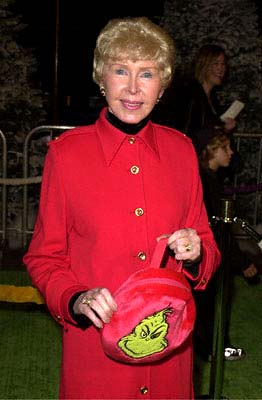
San Diego — Near the end of his life, Theodor “Dr. Seuss” Geisel sat down with his wife, Audrey, to speak of the past and of things to come.

” ‘I’ve had a wonderful life,’ ” Audrey Stone Geisel recalls him saying. ” ‘I’ve done what I had to do. I lived where I wished to live. I had love. I had everything.’

” ‘But,’ he said, ‘now my work will be turned over to you. And you will have to deal with those consequences.’

“And oh-ho,” says the 82-year-old heiress of the Seuss world, “has that been true!”

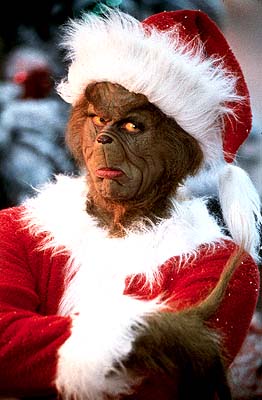
Nearly 13 years after her husband’s death, Geisel leads the global enterprise that has sprouted from Seuss’ beloved books — watching over the Cat in the Hat, the Grinch and all the other critters and characters who live on in movies, toys, games and ventures that perhaps not even the imaginative doctor could have envisioned.

Ted Geisel came into the world on March 2, 1904, when children learned from dull primers. In 1937, Geisel had just suffered his 27th rejection for his first children’s book, “And to Think That I Saw It on Mulberry Street,” when he bumped into a friend who worked for Vanguard Press.
Advertisement

“Ted told him that he’d been refused all of these times and he was going home to burn it,” Audrey Geisel says.

The encounter, of course, led to publication. The book created a stir among teachers and parents who feared it would encourage children to lie.

“It was so off the wall,” she says. “They even thought, ‘Oh, it might teach a child to fib,’ instead of imagine, you see?”

The book became a hit, and over the years, Dr. Seuss became one of the most popular children’s authors ever. He published 44 children’s books in more than 20 languages, and one non-children’s book, “The Seven Lady Godivas,” which was not a hit. More than 500 million Dr. Seuss books have been sold worldwide.

Death to Dick and Jane

Dr. Seuss has often been credited with killing off “Dick and Jane,” the sterile heroes of childhood readers of yore.

“With Dick and Jane, there was never much of a story there,” said Barbara Parker of the National Education Association, whose annual “Read Across America” event culminates on Tuesday, the 100th anniversary of Ted Geisel’s birth.

Dr. Seuss’ books, however, appealed to children — and adults — with their clever rhymes and plot twists.

“In ‘The Cat in the Hat,’ for example — kids really, really like that because they’re expecting the boy and the girl to get in trouble when the mother gets home, but suddenly it’s the cat to the rescue,” Parker said.

Philip Nel, a Kansas State English professor and author of the new book “Dr. Seuss: American Icon,” says Seuss’ heroes are rebels and underdogs.

“They go against the grain. They don’t do what they’re expected to do,” he said. As in “The Cat in the Hat,” Nel said, “Why not fly a kite in the house?”

Part of Seuss’ charm is his ability to make the ordinary into the extraordinary.

“Ham and eggs is just ordinary, but if you turn it around so that it’s eggs and ham, that’s interesting. And then if you make it green, there’s real genius,” Nel said.

One year celebration

Audrey Geisel is presiding over a year’s worth of ceremonies celebrating “Seussentennial: A Century of Imagination.”

The events include the debut of a Postal Service stamp; a tour of theatrical performances and children’s workshops across 40 cities; a series of Dr. Seuss celebrity book reviews; exhibits of items from the Dr. Seuss archives and of Ted Geisel’s art; the unveiling of a Dr. Seuss sculpture at the Geisel Library at the University of California at San Diego; and the presentation of a star honoring the author on Hollywood’s Walk of Fame.

As she gazes toward the Pacific from her hilltop home, Audrey Geisel says she understood the weight of the job immediately upon inheriting it, but was surprised by how it steadily grew heavier.

“And then suddenly, I had so much to do each day,” she says, describing business responsibilities as well as her philanthropic work as head of the Dr. Seuss Foundation. “But I’ve complicated my own life to a degree, and I don’t deserve much sympathy.”

Geisel is a disciplined and opinionated leader, whose mission is largely to protect the integrity of her husband’s creations.

Geisel, a former nurse, holds court early each morning at a nearby hotel restaurant, arriving in her faithful 1984 Cadillac with the personalized license plate: GRINCH.

“I come down the street and no one has seen anything like it,” she says with a laugh.

Guardian of integrity

grinch8.jpgAs president and CEO of Dr. Seuss Enterprises, Geisel is tough on those encroaching on Seuss trademarks and copyrights. And when she wanted to have the local Old Globe Theater produce “How the Grinch Stole Christmas,” years ago, she went to New York to free the miserly character from a production that later evolved into the musical “Seussical.”

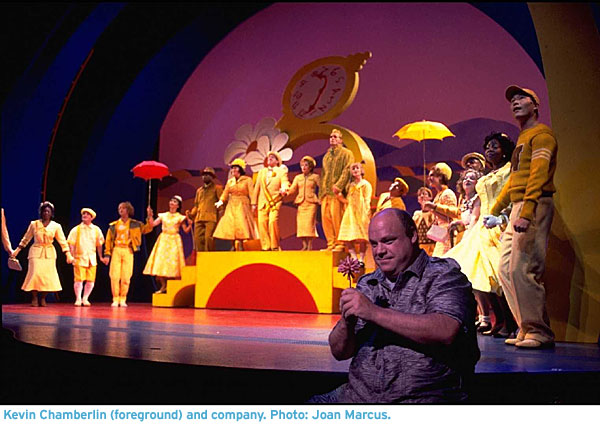
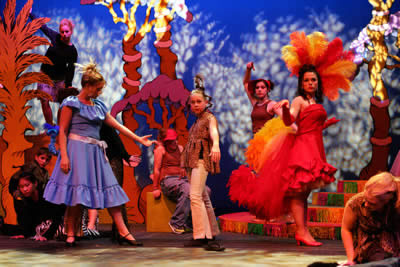
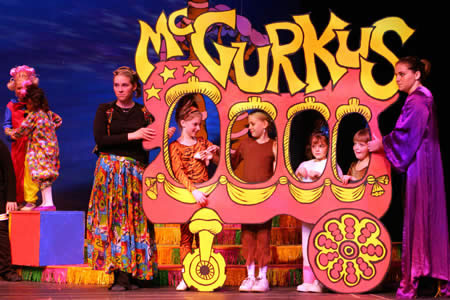
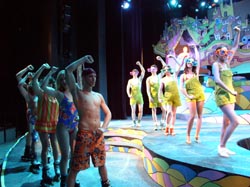
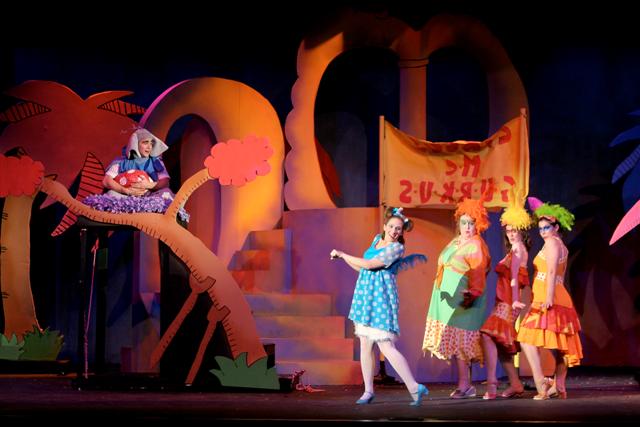
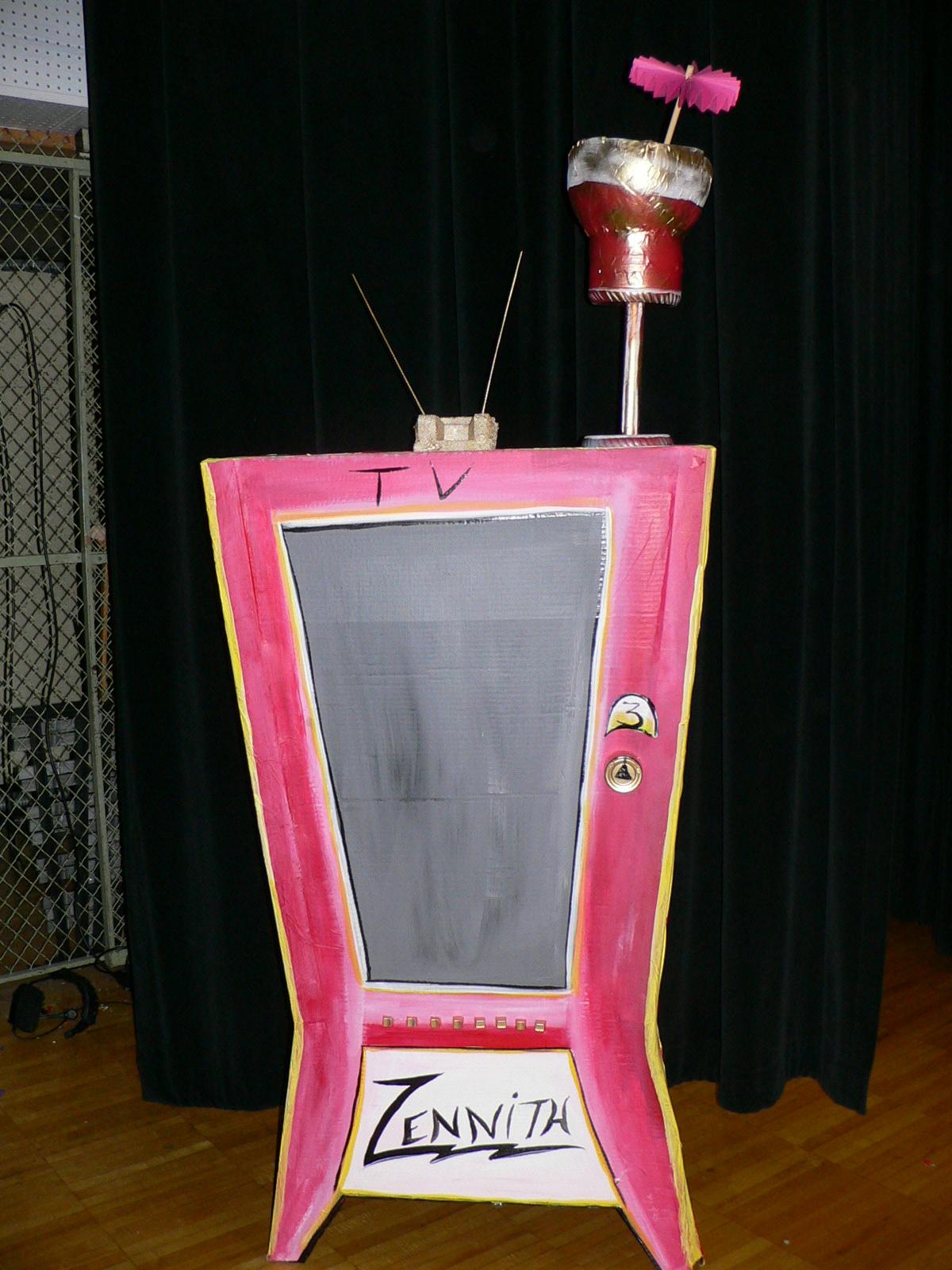
Seussical the Musical – Set and Costume Photos

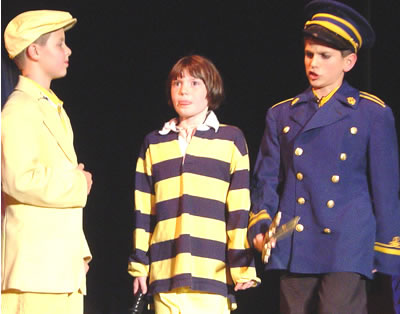
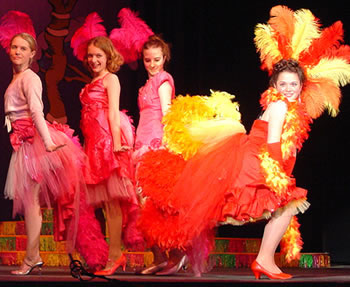
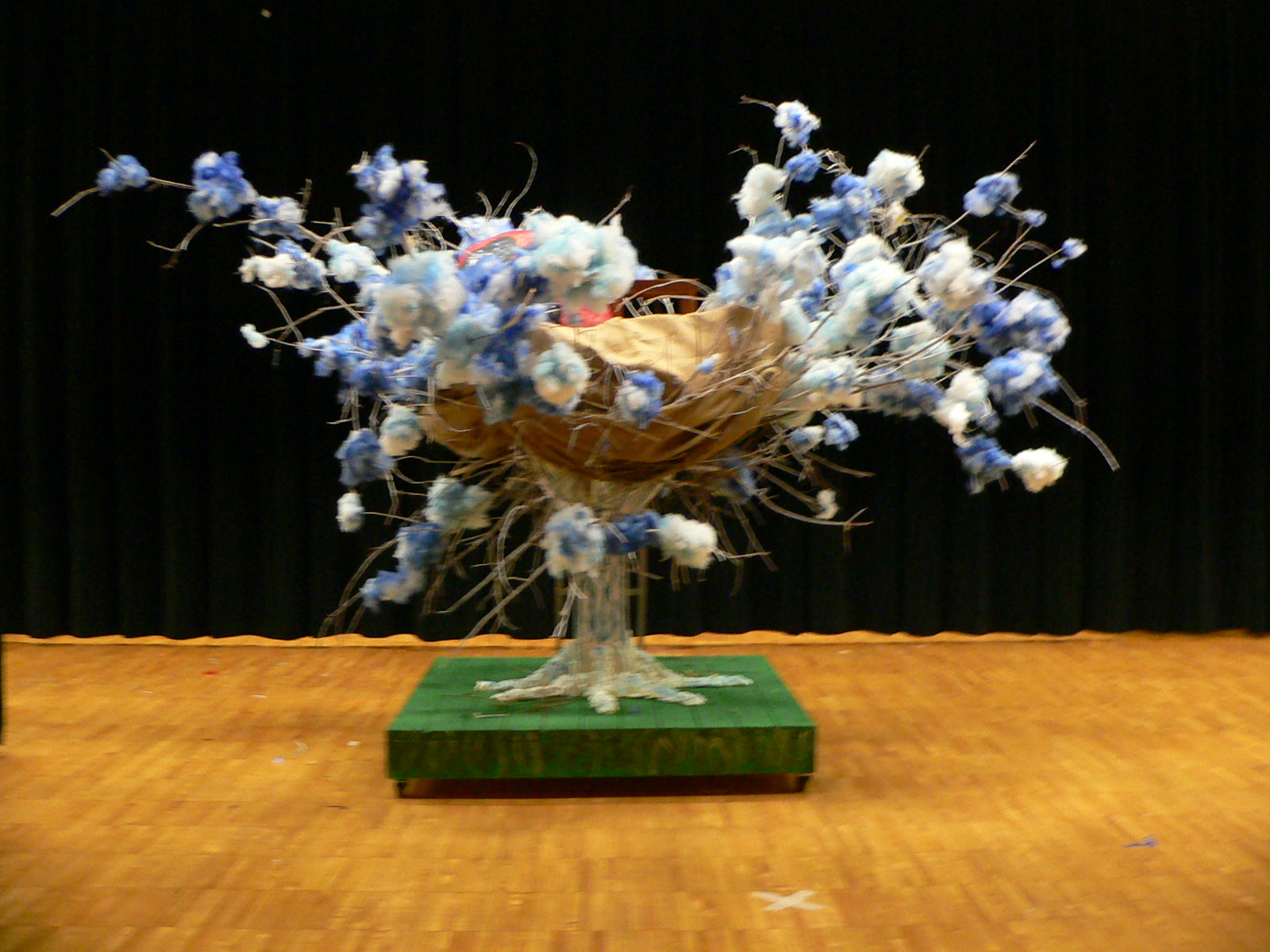
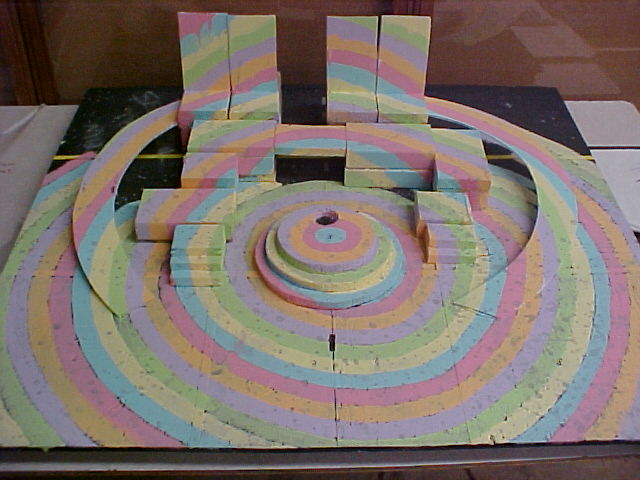
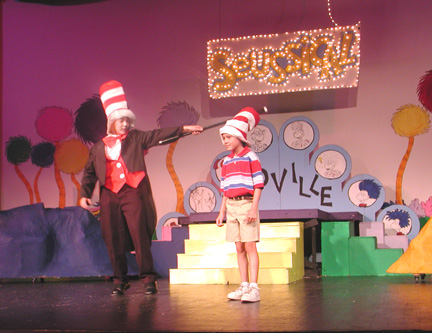
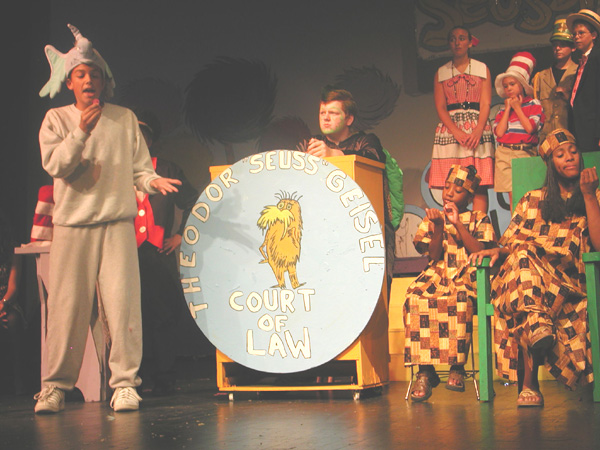
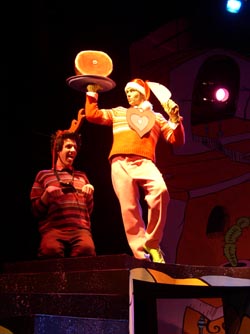
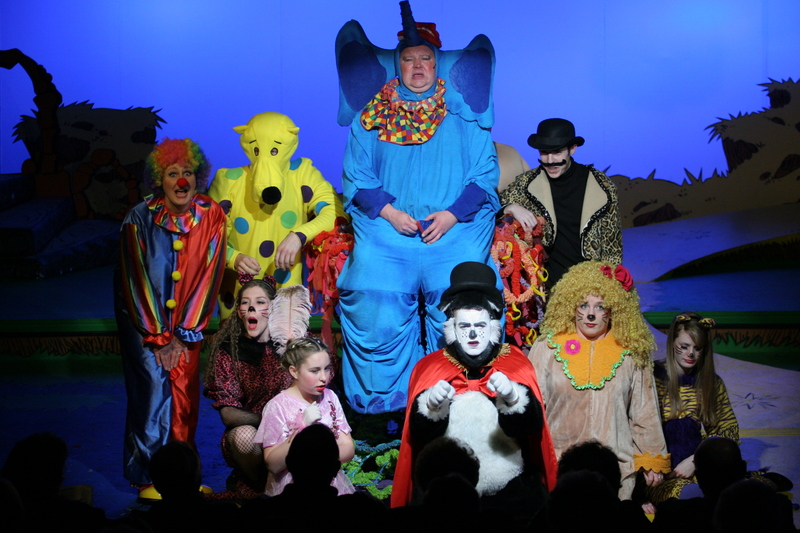
seussicalprogram.jpgHere are pictures from community theatre and professional productions of Seussical the Musical. You can use them as reference to get your creativity in flow for creating your own production. These are NOT photos of the show I am conducting for META Perfoming Arts. As of this posting we haven’t opened yet, I’ll have pictures of our production posted later. Of course, I consider our production to be the ULTIMATE STM presentation. 🙂

Visit my general Seussical the Musical category here on my blog for lots of notes on set design, orchestration and musicians, costumes, etc.

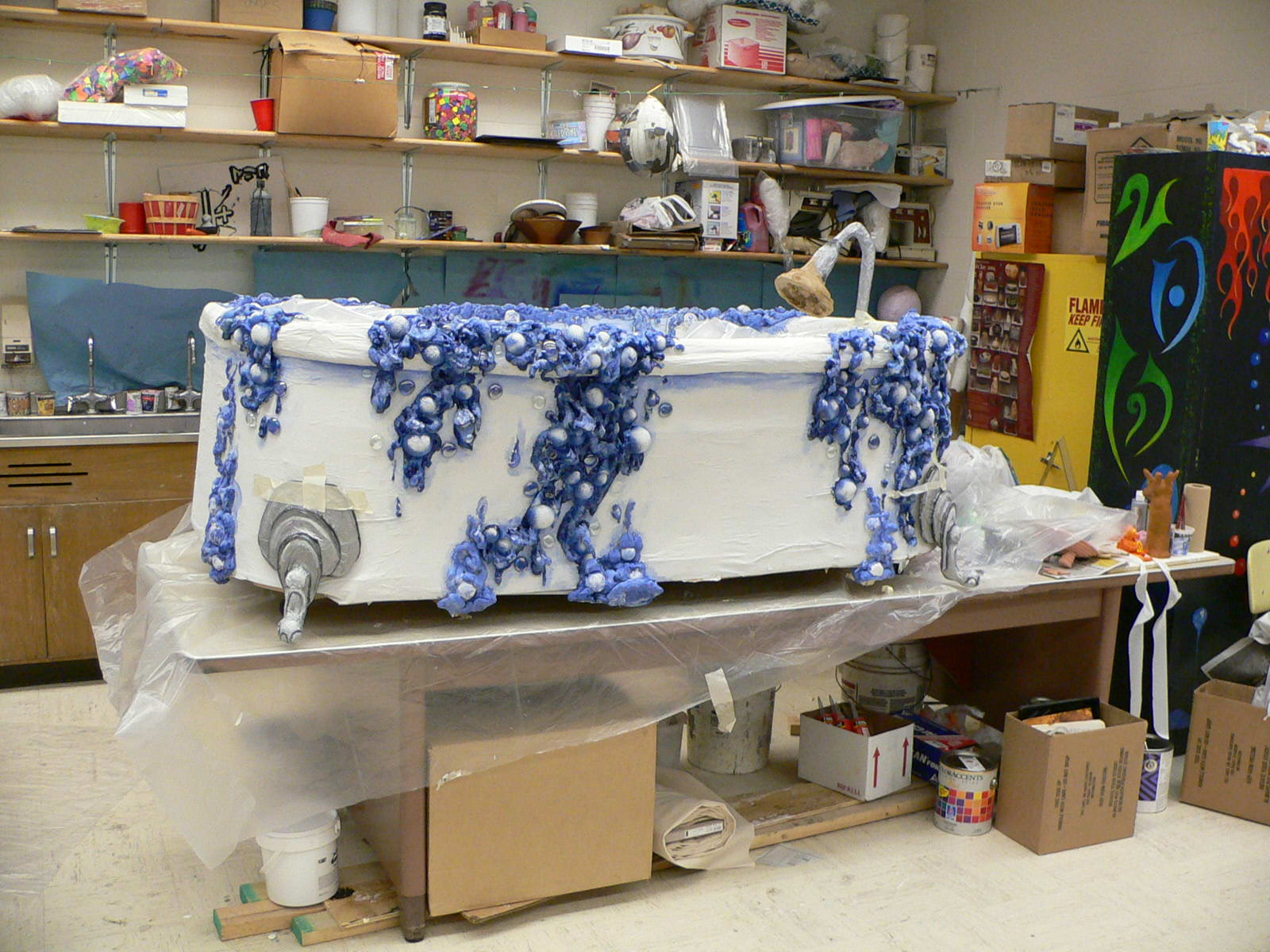
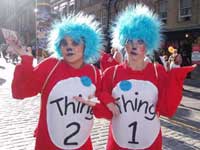
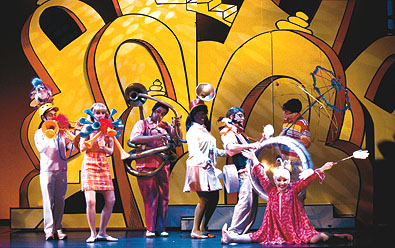
Also on this post are pictures of Seussical the Musical flyers, different costume approaches to the Cat in the Hat, Who costumes, JoJo outfits, Who’s hair and costume design, various scene set designs, Horton and Sour Kangaroo costumes and whole set photos.

See detailed Seussical Set Construction from the Spring High School Website

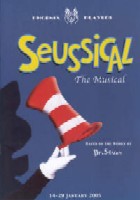
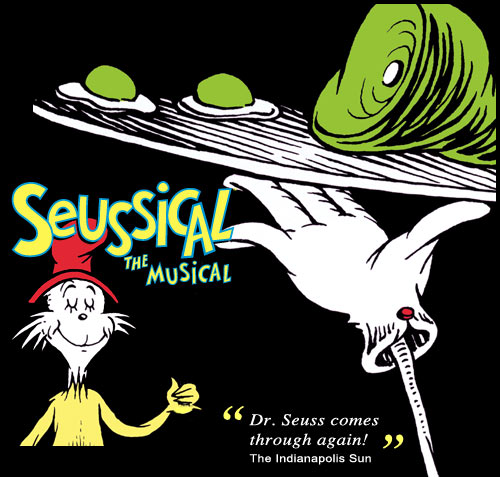
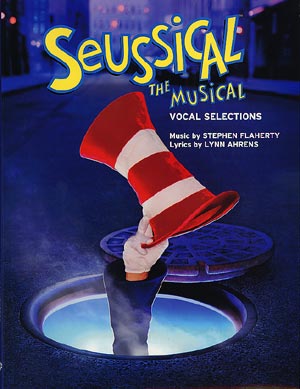
Samples of flyers for Seussical the Musical.

seussical.gif

seussical.jpg

seussical4.gif

seussicalprogram.jpg

seussicalbig.jpg

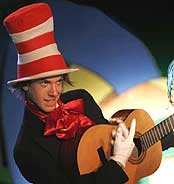
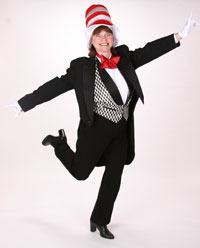
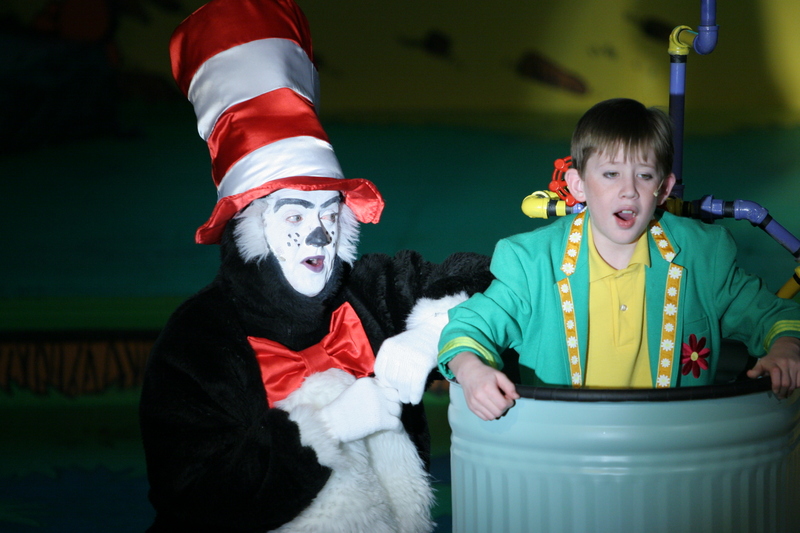
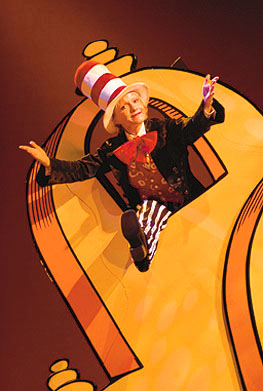
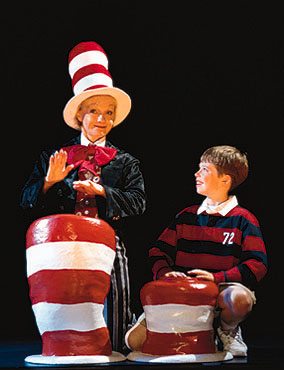
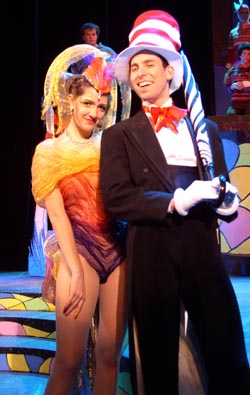
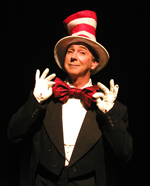
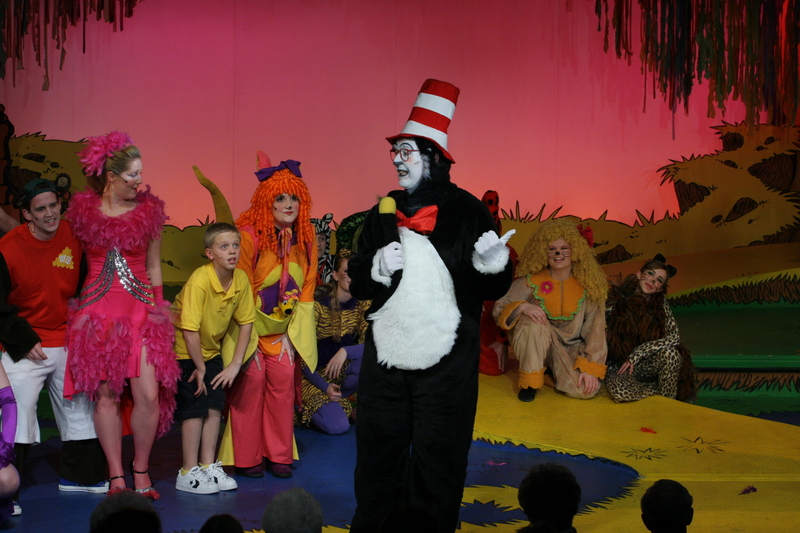
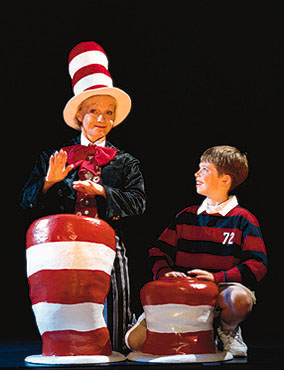
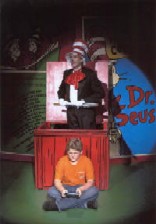
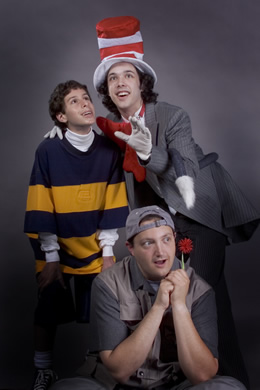
Different looks and costumes for the Cat In The Hat. Some people like using makeup, some don’t.

22seussical_med.jpg

seussical-the-musical-1_0.jpg

seussical_129.jpg

seusstour1.jpg

seusstour4.jpg

seussical-001.jpg

musical.jpg

cat-in-the-hat-13-100.jpg

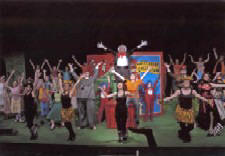
Various character and stage set photos of Seussical the Musical

artclub-suess-011.jpg

horton.jpg

if7w1139_jpg.jpg

if7w1290_jpg.jpg

images.jpg

lcs-cue-console-seussical.jpg

pictures0301_jpg.jpg

pictures0304_jpg.jpg

props-seussical-013.jpg

seset_1.jpg

seuss01.jpg

seuss35.jpg

seussical-019.jpg

seussical-037.jpg

seussical-105.jpg

seussical_01-small.jpg

seussical_9-05-127_tn.jpg

seussical-art-011.jpg

seussical-art-008.jpg

seussical_web.jpg

seussical_168.jpg

seussical_035.jpg

seussicaljojocatboat.jpg

seussicaljojocathorton.jpg

seussicalmayorandwife.jpg

seusstour3.jpg

seusstour41.jpg

seussicalhortonfamily.jpg

seussicalchortonchorus.jpg

seussicalcatjojothing.jpg

seussicalcatandjojo.jpg

seussicalcast.jpg

Peter Pan Set, Sword Prop and Scrim Designs

*Update August 2013 – Check out a new Peter Pan musical ! *

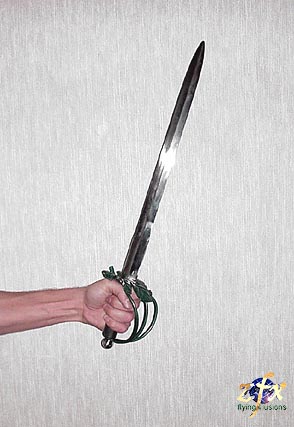
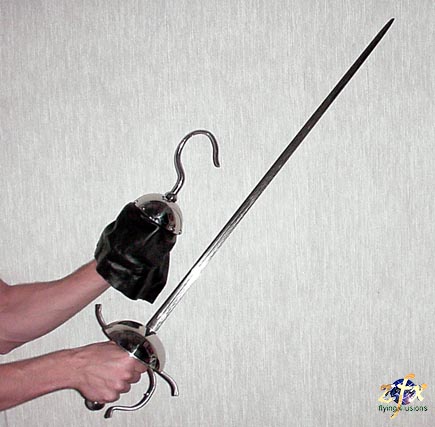
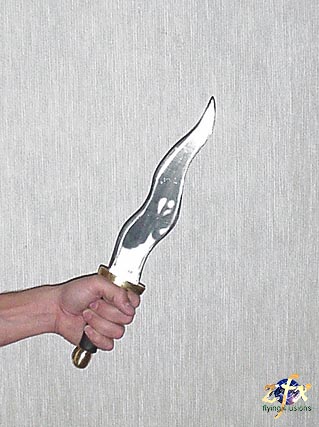
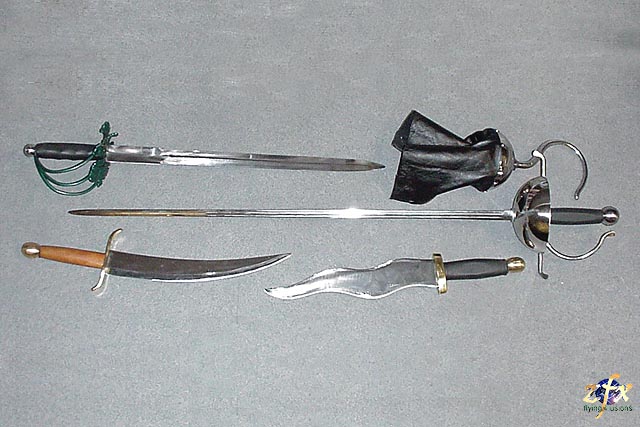
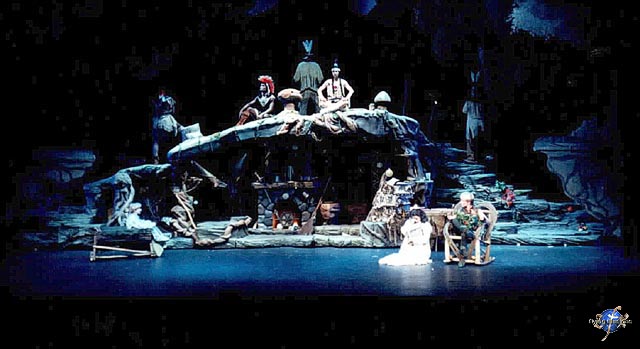
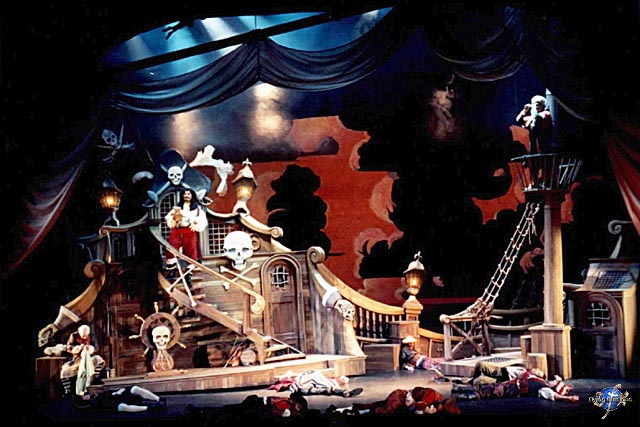
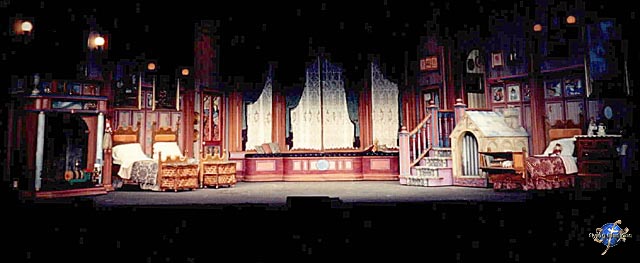
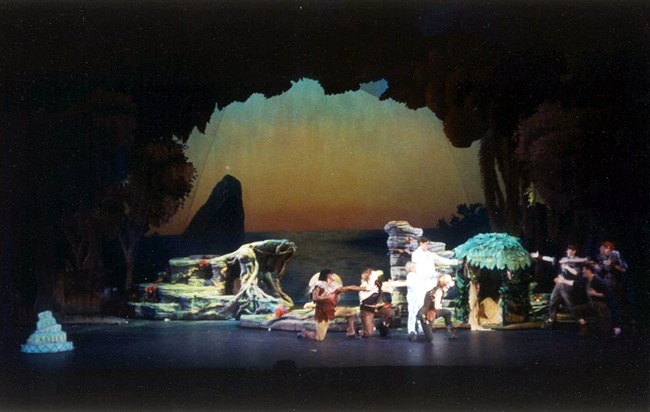
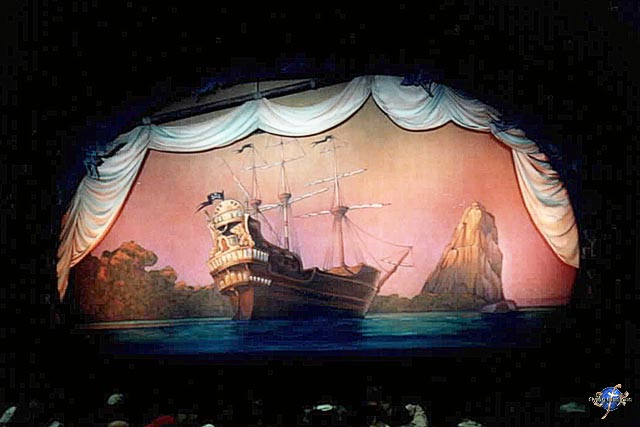
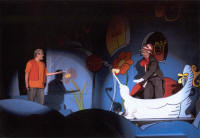
Here are some samples of set design for the Cathy Rigby production of Peter Pan and closeup of swords for Peter Pan, Captain Hook and Tiger Lily. These set designs and props are available from ZFXFLYING.com, as well as updated new set designs from ZFXFLYING.

ZFX Flying has a very fun website and I encourage you to visit it. They do fx for Peter Pan, Wizard of Oz and many other shows including “Matrix” type flying fx.

Tiger Lily Sword

tsword-tiger-lily.jpg

Sword for Peter Pan

sword-peter-pan.jpg

Captain Hook Sword and Hook

sword-hook1.jpg

Johnny Corkscrew Sword
sword1.jpg

All Swords – available from ZFX Flying

swords-all-peter-pan.jpg

Underground Set Design

trigby-underground.jpg

Pirate Ship Set Designs

trigby-pirate-ship.jpg

Photo of Peter Pan Nursery
trigby-nursery2.jpg

Peter Pan Neverland Set Ideas

trigby-neverland.jpg

Jolly Roger Scrim for Peter Pan Productions

rigby-ship-scrim.jpg

Peter Pan Flying Resources

tmatrix.jpgIf you’re doing a production of Peter Pan you might be interested in going the extra mile and do some flying fx. See my previous post about FLY BY FOY – or visit them directly at the FlyByFoy website.

There’s another great resource at the www.zfxflying.com website. They have very good video samples posted that show Cathy Rigby in performance and rehearsal flying. Also accompanying sound effects that are good references if you’re designing sound foley for flying sequences.

From the ZFXFLYING.com website:

Founded in 1994, ZFX has delivered a fresh perspective to the ancient craft of flying using a new dynamic style. ZFX quickly became an industry leader and one of the top flying companies in the world with offices on two continents. Proudly, we have over 30 employees around the globe with experts in their field including flying directors, choreographers and even performers.

muse.jpgGrowing from a handful of dedicated craftsmen and artists, ZFX continues to maintain our small-company attitude treating each client as if they were our only. This allows us to focus on even the tiniest of details for each production whether it be a community theater or a Broadway show.
ZFX flies over 200 different productions annually and we continue to set the industry standard for customer service!

Ria Peth starring in Hello Dolly

Ria Peth will be performing the title role in Hello Dolly. Shows run November 17-19 at LaConner Schools Auditorium.

Call 360-466-3171 for Tickets

November 17-19 at LaConner Schools Auditorium. If you don’t know Ria, she is an absolutely amazing vocalist and a great match for this role. Guaranteed good time at this show.

Seussical the Musical – Orchestra and Musician Notes

Here’s music info for those producing Seussical the Musical. You might find these tips and tricks useful if you are a musical director, conductor, musician in Seussical the Musical – or if you are working with pit orchestras for musical theater productions. I think you’ll find many items here you can apply to many different stage musicals. My first involement with Seussical was for META Performing Arts in Skagit County, WA. Our performance run was November 3-12, 2006 at McIntyre Hall, Mount Vernon, WA.

If you’re working on music for Seussical the Musical, you already know it’s a LOT of music. The longest wait between songs is about 30 seconds. The Conductor/Piano 1 score runs over 400 pages – most musicals I’ve worked on run under 200 pages. You’ve got your work cut out for you. The music is not extremely difficult, but it has a lot of textures needed to pull off the orchestration. I think the orchestration is very good, and the charts are very clean. As conductor you will notice many errors between the conductor’s score and musician scores. Double check all your numbered repeats, fermatas and pauses – they are marked erratically from score to score. I thought I had caught most of them, but in rehearsals realized I had only caught about half the errors. There are also a small number of note errors, listen carefully to your musicians to catch them. (I should have kept better notes so I could post a listing of the errors to fix).

Here are the major problems I identified with producing the music for Seussical, and notes on how I worked around them.

1) How do you fill out the orchestra for a local production?
2) Will the show work with 5 or 6 musicians?
3) How do you find woodwind players that can each double on 4-5 instruments?
4) How do you get a professional stringe ensemble sound – without using cheezy keyboard patches or investing in a full string section?
5) How do you teach four part harmonies to grade school children, and have them remember the enormous amount of music in this show?
6) If using kids, how do you get the Wickershams to sound hip – the score is written for males who’s voice has already changed.
7) What’s more important for the Cat In The Hat – vocal ability or acting ability?
8) What to look for vocally in the different groups of Bird Girls, Who’s, Wickershams, Jungle Animals and lead characters of Mayzie, Gertrude, Sour Kangaroo, Horton the Elephant, JoJo and the General.
9) Assming you are using a majority of children in your cast, how can they project over the orchestra?

Answers to questions:

1) How do you fill out the orchestra for a local production?
I really think you need to pony up and fill out the orchestration as much as possible. Seussical is all about imagination and the different textures you orchestra brings to the show is part of pulling off that environment. I want to hear Disney, I want to hear Fantasia – that’s not going to happen with a five piece group. It will sound ok, but not inspiring. For me, I’d rather not do it unless it’s going to be ultra cool. If you’re using five or six players, then these notes won’t help you – this is about producing Seussical in a semi-pro environment (which can also mean community theater that works really, really hard!)

2) Will the show work with 5 or 6 musicians?
“Work”, yes – something I’d want to work on? No. Get donors, beg borrow and plead, get that orchestra filled out. I was fortunate to get a single donor to underwrite the entire orchestra. They were given prominent mention in the program.

3) How do you find woodwind players that can each double on 4-5 instruments?
You can’t – assuming you do not have a budget to hire session players (which really, only session or union players are going to be able to pull off all those doubles professionally) and are not near a major city with access to players like this. So split your woodwinds into as many parts as you need to cover the three parts. I found that you can skip the following parts, which are VERY small parts once the others are covered: You can cut bassoon, Flute II, clarinet II. I had players for these parts, but the parts were so small they declined to play. If you can get people for those parts great, but you probably won’t miss them.

Here is the instrumentation that Seussical the Musical calls for:

Bass Electric Bass
Cello
Drums Kit, Woodblock, Piccolo Snare, Cowbell, Timbale, Shaker, Bell Tree, Flexitone, Mark Tree, Triangle
Guitar 1 Acoustic Guitar and Electric Guitar
Guitar 2 Acoutic Guitar, Banjo, Electric Guitar
Keyboard 1 (Breathy-bell Synth, Pno+Perc.E.P., Cowbell + Calliope, Pno/Rhodes, Pop Piano, Piano, Elec. Pno, Calliope, Kazoo, Cheap-sounding Piano, metal Clav, MetalClav + Calliope, Poly Synth, Stackoid, Tack Piano, Glittery Synth, Buzzy Xylo, Mysterious E.P., Sweet E.P., XyloGlock, Voices, Theremin, Shimmery Stuff, Many Flutes, Rock Piano, Clarinet)

.
Keyboard 2 (Breathy Pad, Bell Synth, Harpsichord, B-3, Cricket Synth, Elephant, Orch Hit, “Doing”, Psycho Strings, Tinkly Voices, Door Slam, Kalimba, Mallet Synth, Bell/Harpsi Synth, Pedal, Log Synth, Percussive B-3, Rok B-3, Calliope, Reedy Synth, Hank-y Synth, Nose Flute, Kazoo, Birdie Whistle, Tiny Synth Voice, Horn, Pig Synth, Animal Brss, Many Tubas, Bird Honk, Bird Fart, Hard Bottle Blow, AirRaid Siren, Spooky E.P., Warm E.P., Warm Voices, Celesta, Ethereal Choir, Spooky Voices, Dark Choir, Glittery Bell Synth, D-50 Stack, 80s Pad, Breathy Bell, Toy Piano, Cathedral Organ, Squishy Bass, Small Pipe Organ, Marimba, D-50 Heaven, Mello Organ, Rock Synth, Metal Clav, Hooty Synth, Clock Sound, Icy-cold Synth, Accordian, Ravenborg, Roller Rink Organ, Kazoo Brass, Cimbalum, Funky Horn, Pizzicato Strings, Sitar, Many Trombones & Horns, Buzz Brass)

.
Percussion (Crotales, Chimes, Glockenspiel, Xylophone, Congas, Tympani, Djembe, Siren Whistle, Shaker, Vibraslap, Tambourine, Bell Tree, Triangle, Finger Cymbals, Piatti, Sleigh Bells, Vibraphone, Suspended Cymbal, Mark Tree, Cork Pop, Temple Blocks, Samba Whistle, Ratchet, Bongos, Cowbell, Scraper, Rainstick, Marimba)

.
Reed 1 Soprano Saxophone, Alto Saxophone, Clarinet, Flute, Piccolo
Reed 2 Bass Clarinet, Clarinet, Oboe, Tenor Saxphone
Reed 3 Baritone Saxophone, Bassoon, Clarinet, Flute
Trombone
Trumpet 1
Trumpet 2
Viola
Violin 1
Violin 2

*******************

Here’s how I covered that orchestration:

(1) Electric Bass
(1) Cello
(1) Drums Kit, Woodblock, Piccolo Snare, Cowbell, Timbale, Shaker, Bell Tree, Flexitone, Mark Tree, Triangle (Your drummer will need a cowbell)

(1) Guitar 1 Acoustic Guitar and Electric Guitar
Guitar 2 – CUT
(1) Keyboard 1 – Piano and Hammond B3 (covered by conductor, you could also have a “piano player” cover Key I)

(1) Keyboard 2 – Reduced patches to: Electric Piano (one aggressive, one mellow) , B3 rock, B3 mellow, Heaven Pad, Bell Synth, Calliope, Reed Synth (oboe-ish sound), Theremin (whistle with portamento), CyberBorg (dance synth patch), Spooky Voices, Tick Tock (from drumset sound bank),

(1) Percussion – Keyboard 3 covers these mallet percussion parts from the percussion score: Chimes, Glockenspiel, Xylophone, Tympani, Vibraphone, Marimaba)
(1) Percussion – Live percussion player covering conga, djembe and latin percussion parts.
(1) Reed 1 – Flute, Piccolo
(1) Reed 2 – Bass Clarinet, Clarinet, Tenor Saxophone
(1) Reed 3 – Baritone Saxophone, Oboe (Oboe from Reed 2 part, BariSax has priority in uptempo songs, oboe has priority in ballads)
(1) Reed 4 – Alto Saxophone (From Reed 2 score)
CUT WOODWINDS if not available: Soprano Saxophone, Bassoon, Clarinet II, Flute II

(1) Trombone
(1) Trumpet 1
(1) Trumpet 2
Viola – CUT if not available.
(2) Violin 1 – Combine real violin player with Keyboard 4 (Keyboard player playing Violin I part, will need to select patches that blend with live players and Violin II part)
(2) Violin 2 – Combine real violin player with Keyboard 5 (Keyboard player playing Violine II part)

*******

4) How do you get a professional stringe ensemble sound – without using cheezy keyboard patches or investing in a full string section?

By combing quality keyboard string samples with live players. The live players will provide the attack and bend that you need in the sound, the keyboard covers the fullness of the sound. I have seen Seussical performed live with a full string section (three players per part) but it still did not have the nice full sound of symphony strings. My experience has been it is very difficult to pull that sound off within budget and the pool of players available.

5) How do you teach four part harmonies to grade school children, and have them remember the enormous amount of music in this show?

When we had auditions, we were very careful to check for singers that could sing harmonies, and grouped them accordingly to different character types. I have the more advanced singers cover the harmony parts, and the younger singers cover the melodies. In some sections where harmonies only come in on a couple notes, I simplified into two part harmonies and eliminated some harmonies. This was dictated by our particular casting, but I would guess this to be a similiar situation for most all-kid productions.

To learn all the music parts we broke into groups at rehearsals, many times having four different rehearsals running simultaneously. Singers were often brought in before rehearsals to work on particular ensemble parts and to reaffirm harmonies.

Once harmonies were in place, I would omit the lead line and play harmony parts to make them more solid for singers.

6) If using kids, how do you get the Wickershams to sound hip – the score is written for males who’s voice has already changed.

I changed the octaves of some parts, and had Wickershams speak some of the low parts. They are just too low for young unchanged voices. We did with attitude, and the final result was very hip.
7) What’s more important for the Cat In The Hat – vocal ability or acting ability?

I think acting ability is more important. Many of the Cat in the Hat vocal lines can be performed as speech-sing.

8) What to look for vocally in the different groups of Bird Girls, Who’s, Wickershams, Jungle Animals and lead characters of Mayzie, Gertrude, Sour Kangaroo, Horton the Elephant, JoJo and the General.

I put trained vocals in the Who section, they need a very pure sound with strong harmonies. Also worked with Who’s a lot on over-enunciation to make their parts more animated. Bird Girls – need to have 3part harmonies, we used 6 bird girls so each voice doubled. Without the harmonies, the Bird Girl part doesn’t come across, needs a “Supremes” type sound. General can also be speech-sing style. Need a strong vocalist for both Mayzie and Sour Kangaroo – I don’t really see a way around this, especially the Kangaroo. Horton’s part covers such a wide range, I think you’ll find speaking some lines instead of singing will work better for this character too (for a younger voice). I have Horton under-sing a lot, seems more in character.

9) Assming you are using a majority of children in your cast, how can they project over the orchestra?
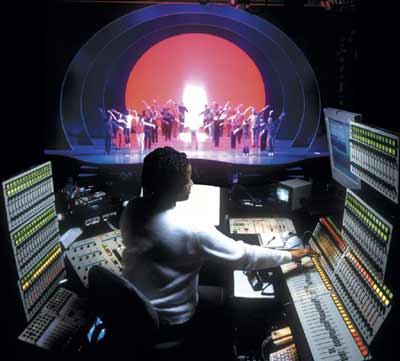
Picking our sound crew was our first priority. Field mics for different vocal ensembles and dedicated wireless mics for leads and supporting characters. We also put the orchestra behind the cast so the sound crew would have more control over the final volumes – the particular hall we were in has a very live orchestra pit that is hard to control. Also, because I use several keyboardists to cover parts, it’s important to have a sound crew with a good ear so they can mix the textures properly.

Hope that helps, if you have any questions on the show or see a way something could have been improved, please post it.
How Long Copyright Protection Endures

How Long Copyright Protection Endures

Works Originally Created on or after January 1, 1978

From the United States Copyright Office – http://www.copyright.govÂ

A work that was created (fixed in tangible form for the first time) on or after January 1, 1978, is automatically protected from the moment of its creation and is ordinarily given a term enduring for the author’s life plus an additional 70 years after the author’s death. In the case of “a joint work prepared by two or more authors who did not work for hire,” the term lasts for 70 years after the last surviving author’s death. For works made for hire, and for anonymous and pseudonymous works (unless the author’s identity is revealed in Copyright Office records), the duration of copyright will be 95 years from publication or 120 years from creation, whichever is shorter.

Works Originally Created before January 1, 1978, But Not Published or Registered by That Date

These works have been automatically brought under the statute and are now given federal copyright protection. The duration of copyright in these works is generally computed in the same way as for works created on or after January 1, 1978: the life-plus-70 or 95/120-year terms apply to them as well. The law provides that in no case would the term of copyright for works in this category expire before December 31, 2002, and for works published on or before December 31, 2002, the term of copyright will not expire before December 31, 2047.

Works Originally Created and Published or Registered before January 1, 1978

Under the law in effect before 1978, copyright was secured either on the date a work was published with a copyright notice or on the date of registration if the work was registered in unpublished form. In either case, the copyright endured for a first term of 28 years from the date it was secured. During the last (28th) year of the first term, the copyright was eligible for renewal. The Copyright Act of 1976 extended the renewal term from 28 to 47 years for copyrights that were subsisting on January 1, 1978, or for pre-1978 copyrights restored under the Uruguay Round Agreements Act (URAA), making these works eligible for a total term of protection of 75 years. Public Law 105-298, enacted on October 27, 1998, further extended the renewal term of copyrights still subsisting on that date by an additional 20 years, providing for a renewal term of 67 years and a total term of protection of 95 years.

Public Law 102-307, enacted on June 26, 1992, amended the 1976 Copyright Act to provide for automatic renewal of the term of copyrights secured between January 1, 1964, and December 31, 1977. Although the renewal term is automatically provided, the Copyright Office does not issue a renewal certificate for these works unless a renewal application and fee are received and registered in the Copyright Office.

Public Law 102-307 makes renewal registration optional. Thus, filing for renewal registration is no longer required to extend the original 28-year copyright term to the full 95 years. However, some benefits accrue to renewal registrations that were made during the 28th year.

For more detailed information on renewal of copyright and the copyright term, request Circular 15, Renewal of Copyright; Circular 15a, Duration of Copyright; and Circular 15t, Extension of Copyright Terms.

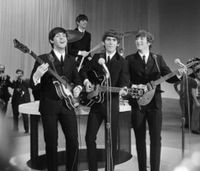
The Beatles are God-hating Communist devils?

beatles-ed-sullivan.jpgHere is info directly from the Faithful Word Baptist website. Has anyone seen the movie Footloose lately?

The website says the Beatles are God-hating Communist devils, and it would really be best if we only sang songs in church which are 50 years old or more. That way, we know what’s tried and true.

As I’m thinking about it, wouldn’t it be most beneficial to only stick with ideas that are 50 years old or more? Yes, I think so. This way we’ll know what to think ahead of time, why reinvent the wheel? Umm….unless you live in a time period where the wheel hasn’t been invented within the last 50 years….then you couldn’t reinvent the wheel because it wouldn’t be invented because you could only use ideas from the last 50 years…….mmmm…..now I’m getting confused here. I guess I’m thinking too much again.

And only use the King James Version bible, that’s on the website too.

I notice the congregation is 10 months old. Does the 50 year rule only apply to music?
.
A quote from the website:
“Rock n roll music was pioneered by ungodly sinners like Little Richard, a sodomite filthy animal, and Ray Charles, a heroin addict. of rock n roll music is ungodly.”
I am going to give this serious thought before I commit to burning my audio collection. Will some one loan me a wheelbarrow and a can of gasoline?
So where do I stand on music and theology? Short answer: lyric content and the perception of the listener are deciding factors.

We all fall short in our Christian faith. It would not interest me to seperate other people’s sins into categories for judgement. If a style of music is deemed inappropriate by a congregation, then that music style is not appropriate FOR THAT CONGREGATION; this does not make a statement on the inherent qualities of the music. Music does not inherently have a quality, it’s our perception of it that creates the quality. My guideline is: are the lyrics about God, for God or to God; and I would add one more: does the music spiritually feed the congregation or strenghten their walk in Christ.

But I am always open to adjusting my opinion when I have new information to work with. I can’t imagine I would ever say that I have fully defined the nature of the arts in worship. The arts are not static, it must breathe and move – and the same I think with our Christian faith.
*****************

From the Faithful Word Baptist website:

If music without drums, syncopation, or a rock beat is acceptable music, then “Yesterday”by the Beatles would be suitable for a Christian. This song has no drums, syncopation, or rock n roll beat – so what’s wrong with it? It doesn’t talk about drugs, illicit behavior, or violence – so what’s wrong with it? What’s wrong with it is the source. It was written by God-hating communist devils. Rock n roll music was pioneered by ungodly sinners like Little Richard, a sodomite filthy animal, and Ray Charles, a heroin addict. of rock n roll music is ungodly.

Three Ways to Avoid the Wrong Music

3) Primarily sings songs which are 50 years or older. Worldly music goes in and out of style; but the classic hymns are never out of style. The Christian Contemporary music and southern gospel music of today will not be sung 50 years from now. It will be old hat; but here we are hundreds of years later still singing “Amazing Grace”, “There is a Fountain”, “Come Thou Fount”, “The Battle Hymn of the Republic.” These are songs that have stood the test of time and which God has blessed for decades. New music is not wrong, but must be very carefully examined for the source and the quality. If we were to sing 9 out of 10 songs 50 years or older, the tenth new song should not sound out of place.

Masaru Emoto

Let’s put this Masaru Emoto business to bed. I am asking for a scientist with a biology or chemistry background to help me replicate his experiments for publication.

It is beyond me why no one from the scientific community has stepped forward in a more public fashion to replicate Emoto’s claims. I believe unchallenged information like this does a great harm to the general public’s collective understanding of science, and yes, religion.

I have contacts for publication of our replication experiments, and I will dedicate time to monitor the experiment and create supporting audio materials for the experiment. Scientist needs to supply microscope and computer photography hookup.

I’m no scientist, but I care about possbile misinformation to the general public.

Someone recently referred to me as an “expert” in this field. I’m certainly no expert, but rely on those scientists who are. Perhaps I’m just a little more vocal than others.

If you don’t know what I’m talking about, just move along. If you ARE aware of this information and have disregarded it, please be aware that’s it’s impact is not on a small number of individuals.

Busta Rhymes – Background Info and Bio

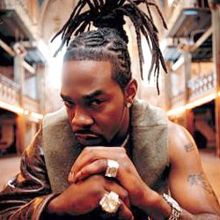
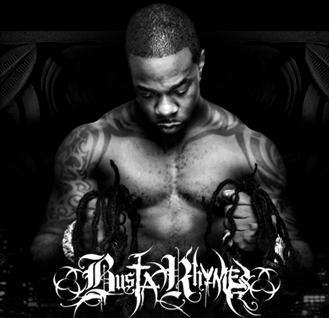
busta_rymes.gifBusta Rhymes, aka Trevor Smith, Jr. – Visit the Official Busta Rhymes Website. Busta Rhymes is associated with Aftermath, also the current label for Bishop Lamont. I’ve worked on some of the ProTools sessions for Bishop and now have some material in the works with BR’s crew, so we’ll see what happens. In the meantime you can also visit my free hip hop battle forum at RapDogs.com – one of the net’s first public battle forums.

I got into a little situation with a hip hop crew a while back, and it wasn’t pretty. My close friends know about it, nothing I’m going to post publicly. I said I’d never do hip hop again……but it’s just too much dang fun. And besides, how many Norwegian Protestants do you know doing hip hop? Stay tuned….

Wikipedia Busta Rhymes Info

busa2.jpgTrevor Tahiem Smith, Jr. (born on May 20, 1972), better known as Busta Rhymes, is an American hip hop musician and actor. Chuck D of Public Enemy gave him the name Busta Rhymes (from former NFL football player George “Buster” Rhymes) after watching him perform.

In November of 2005, Busta Rhymes cut off his trademark dreadlocks during a photo shoot in a New York barbershop owned by producer Cory Rooney. The shop is featured on an MTV show titled The Shop. “I started growing [my hair] in December ’89. I was 17,” he said. “I signed my [record] deal and said I ain’t combing my hair no more. I don’t have to.” He says the haircut was symbolic of a change in his music and the new record deal.

2006 has seen the release of his seventh studio album, The Big Bang. The CD became his first #1 album of his entire career. The CD sold over 209,000 copies in its first week to earn the top spot on the charts. The album also became his highest charting album in the UK, peaking at #19 there. Some of the album was leaked on the internet, and as a result several songs were left off the album and new ones added. The Big Bang featured more production by Dr. Dre than Busta’s previous releases and appearances by Raekwon and Nas. The singles that have been released from the album are, “Touch It”, “I Love My Chick”, featuring Kelis and Will.I.Am of The Black Eyed Peas, “New York Shit” featuring Swizz Beatz and “In the Ghetto”, featuring Rick James. Busta also had a stint opening for Carey’s Adventures of Mimi Tour.

busta-safe-no-more.jpg

busta_rymes.gif